


Mustard Oil For Cooking: Flavor, Tradition, and the Safety Debate
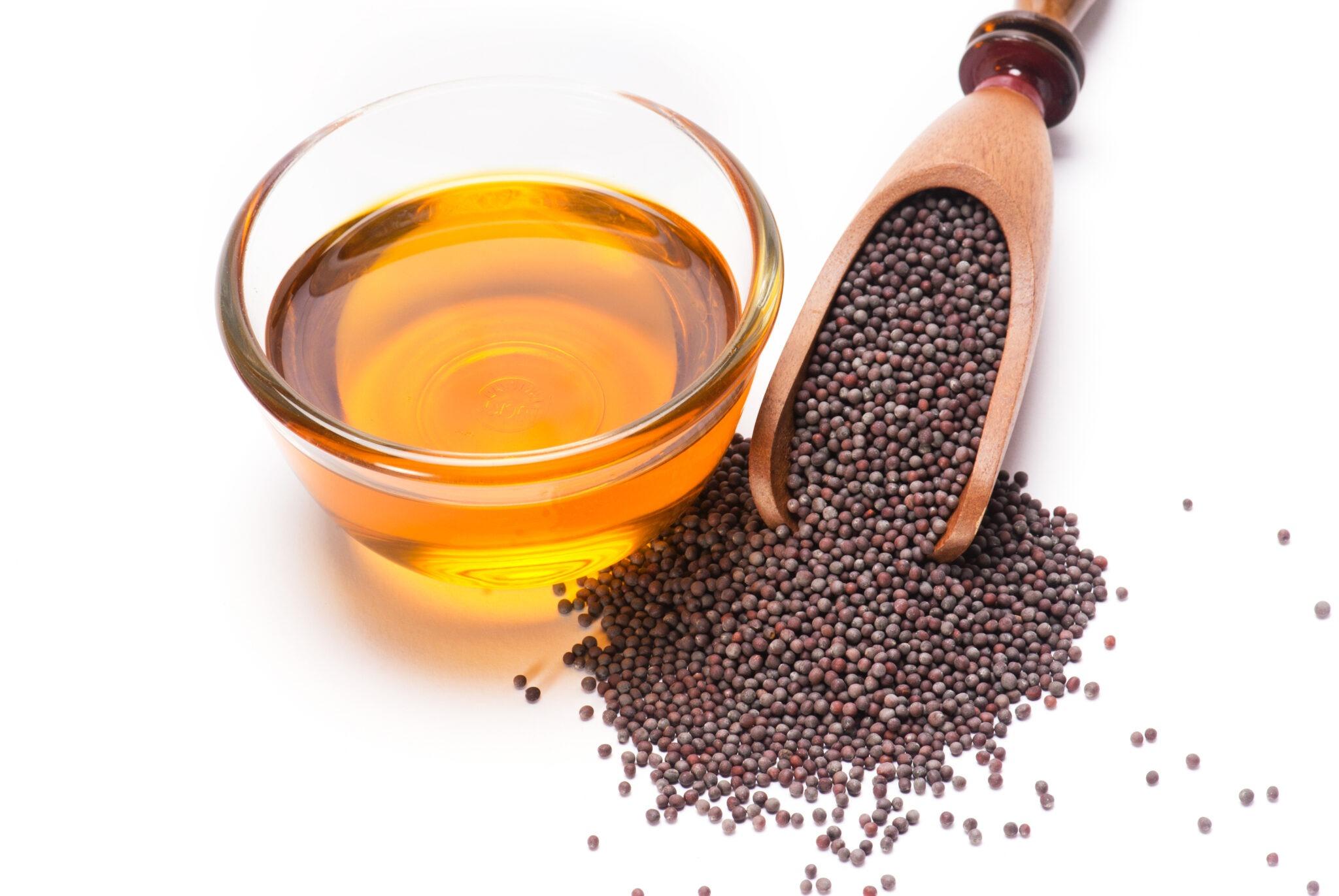
Mustard oil for cooking is a way of life in many South Asian kitchens. In Bengali, Punjabi, and Kashmiri homes, its sharp, nose-tingling heat flavors curries, pickles, and fried fish, and few other oils can match it. In the United States and the European Union, though, the same oil is usually sold only for external use. That difference comes from a real scientific debate, and a fair look at the evidence shows why both the tradition and the caution deserve respect.
What Makes Mustard Oil For Cooking Distinct?
Mustard oil is pressed from the seeds of the mustard plant, most often Brassica juncea or Brassica nigra. The traditional kachi ghani method uses cold pressing and produces a deep golden oil with strong pungency. That bite comes from allyl isothiocyanate, a compound released when the seeds are crushed. Refined versions lose much of this sharpness and taste milder.
Its Fat Profile
Mustard oil is rich in monounsaturated fat, with a moderate amount of polyunsaturated fat, including some plant-based omega-3 alpha-linolenic acid, and relatively little saturated fat. It also contains erucic acid, which is the center of the safety discussion.
The Erucic Acid Debate
Traditional mustard oil can contain high levels of erucic acid. In animal studies, mainly on rats, large and sustained doses were linked to fat buildup in heart muscle. Because of this, regulators in the United States and the European Union limit erucic acid in food, and mustard oil for cooking is generally not sold as a food product in those regions.
The picture is more nuanced than a simple ban suggests. Evidence of harm from ordinary dietary use in humans is limited, and the animal studies used much higher doses than typical home cooking. India has set its own limits and encourages low-erucic mustard varieties. Researchers still disagree on how directly the rat findings apply to people, so moderation is the sensible approach for daily use.
How Cooks Use Mustard Oil
The Smoking Step
Many traditional cooks heat mustard oil until it just begins to smoke, then let it cool slightly before adding ingredients. This is said to soften the raw pungency and sharp bite, leaving a rounder, nuttier flavor.
Common Uses
- Tempering spices for dals and vegetable dishes
- Frying fish and making fish curries
- Preserving pickles, where its pungency and antimicrobial compounds are valued
- Marinating meat and vegetables before grilling
- Drizzling raw over salads and street snacks in some regional cuisines
What the Research Suggests
Some observational studies of populations that regularly use mustard oil have explored links with lower cardiovascular risk, partly because of its favorable fat balance. These findings are mixed and cannot prove cause and effect. In laboratory settings, its pungent compounds show antimicrobial activity, which partly explains its traditional use in pickles. None of this makes mustard oil a proven health food. It is a traditional fat with some interesting features.
Where Claims Go Too Far
Popular posts often describe mustard oil as a cure for arthritis, hair loss, or infections, or claim it is the healthiest cooking oil available. These claims lack solid clinical trials. Traditional use is valuable cultural knowledge, but it is not the same as proven medical benefit. Anyone with heart disease or other health concerns should seek professional advice.
Practical Safety Guidance
- Use moderate amounts rather than making it your only cooking oil
- Consider blending it with another oil to lower your overall erucic acid intake
- Choose low-erucic varieties when they are available
- Check local regulations and the label's stated intended use
- Avoid using it for massage on infants, since it may harm delicate skin
- Speak with a doctor if you have heart disease or are pregnant
Trends Around Mustard Oil For Cooking
- Growing demand for low-erucic acid varieties
- Interest in traditional kachi ghani cold-pressed oil with clear labeling
- Blending mustard oil with other cooking oils to moderate intake
- Renewed curiosity about regional, traditional cooking fats
- Greater caution about use on babies
How to Choose and Store Quality Mustard Oil
Read the label for the intended use, whether food or external, along with the extraction method and seed variety where stated. Strong pungency can hide rancidity, so check the date and buy from reliable sellers. Store the oil in a cool, dark place in a tightly sealed container, away from heat and sunlight.
A Balanced Final Word
Mustard oil for cooking is a genuine culinary tradition with distinctive flavor and a few promising nutritional features, alongside a safety question that science has not fully settled. Used in moderation, chosen carefully, and kept away from infant skin, it can have a place in the kitchen. The wisest approach respects both the tradition and the caution.

 English
 Arabic
 French
 Spanish
 Deutsch
 Turkish
 Dutch
 Italiano
 Russian
 Romaian
 Portuguese (Brazil)
 Greek