


What Matters When Selecting Tiansai Hunting & Fishing Tent Manufacturer
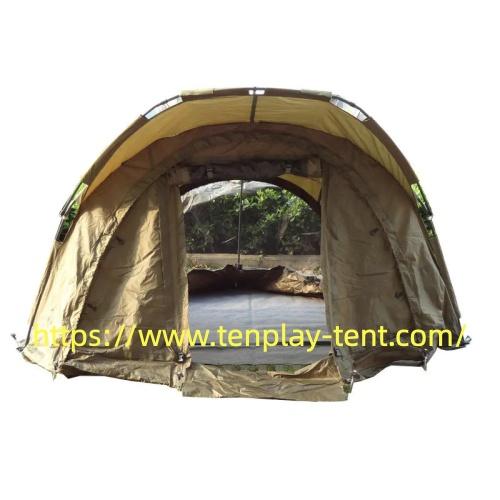
Hunting & Fishing Tent Manufacturer selection is an important consideration for businesses developing outdoor equipment collections. Customers who enjoy spending time in natural environments have varied expectations about shelter design, material choices, and practical functions. Some prioritize convenient transportation, while others pay attention to interior organization, privacy, and adaptability. Understanding these preferences helps businesses make informed sourcing decisions and develop products that suit different recreational lifestyles.
Outdoor recreation continues to attract people who want to spend time away from crowded environments. Hunting trips, fishing outings, camping weekends, and extended nature excursions all create different requirements for temporary shelter. A product designed for one activity may not necessarily suit another. Manufacturers therefore need to consider how people use their equipment, where they travel, and what they expect from their outdoor arrangements.
Material development is an important part of this process. The fabric selected for an outdoor shelter influences its texture, flexibility, appearance, and handling characteristics. Some customers prefer materials that are easy to fold and carry, while others pay closer attention to surface treatments and resistance to outdoor exposure. Manufacturers must balance these considerations with construction methods that support practical everyday use.
The supporting structure also deserves careful attention. Frame connections, fabric attachment methods, and folding arrangements influence how a shelter is assembled and stored. A clear structural layout can make preparation easier, particularly for people who frequently change locations. Reinforced areas and carefully arranged connection points also contribute to the overall construction quality.
Ventilation is another subject that outdoor equipment buyers should consider. When people spend extended periods inside an enclosed shelter, airflow can influence the interior atmosphere. Windows, mesh sections, and adjustable openings offer different ways to manage air circulation. Their placement also affects visibility and access, making ventilation a design consideration rather than simply an additional feature.
Interior space planning can influence the entire outdoor experience. Hunting equipment, fishing accessories, personal belongings, and seating arrangements may all need to fit within the same environment. A thoughtful layout helps users organize these items without creating unnecessary obstacles. Storage pockets and accessible openings can provide additional convenience, while suitable interior proportions support different activity arrangements.
Another consideration is how a product responds to different environments. Forest locations, lakeside areas, open fields, and changing seasonal conditions can create different practical demands. Customers may look for features that suit their preferred destinations, including suitable entry arrangements, visibility, convenient carrying solutions, and adaptable interior layouts. Businesses should communicate their intended applications clearly when discussing product requirements with suppliers.
Portability deserves particular attention for people who travel between locations. Carrying bags, folding mechanisms, and manageable component arrangements can influence how convenient a product feels before and after an outing. The packing process matters as much as initial setup. Equipment that can be organized without unnecessary difficulty may fit more naturally into regular recreational routines.
Product appearance also influences purchasing decisions. Outdoor customers have different preferences regarding colors, silhouettes, window arrangements, and fabric finishes. Some favor designs that blend into natural surroundings, while others prefer distinctive visual details. For retailers, offering a considered range of appearances can help address different customer groups without overlooking practical construction requirements.
For wholesalers and distributors, selecting a manufacturing partner involves several additional factors. Production communication, material sourcing, customization options, inspection procedures, and packaging arrangements all deserve discussion. Businesses should clarify their intended market and customer requirements before beginning product development. This helps both parties establish a shared understanding of the expected design and manufacturing process.
Quality control should remain part of every production stage. Fabric inspection, stitching checks, frame evaluation, and finished product reviews can help identify inconsistencies before products reach customers. Clear communication about product care and storage can also support a more informed purchasing experience. Manufacturers that pay attention to these details can build business relationships around realistic expectations and practical product requirements.
The outdoor equipment market continues to offer opportunities for businesses that understand how recreational habits influence product preferences. A shelter is not simply a physical structure. Its materials, layout, portability, and appearance all contribute to how people organize their time outdoors. Manufacturers that consider these elements together can develop product concepts suited to different customer needs.
Tiansai approaches outdoor shelter production with attention to practical applications, structural design, material choices, and the needs of different markets. For retailers, wholesalers, and distributors planning to expand their outdoor equipment collections, understanding these manufacturing considerations can help guide product selection and sourcing discussions. Visit https://www.tenplay-tent.com/product/ to review the available product range and learn more about the shelter solutions offered by Tiansai.

 English
 Arabic
 Spanish
 Portuguese
 Deutsch
 Turkish
 Dutch
 Italiano
 Russian
 Romaian
 Portuguese (Brazil)
 Greek