


Gum Grafting in Islamabad: Treating Localised Gum Recession
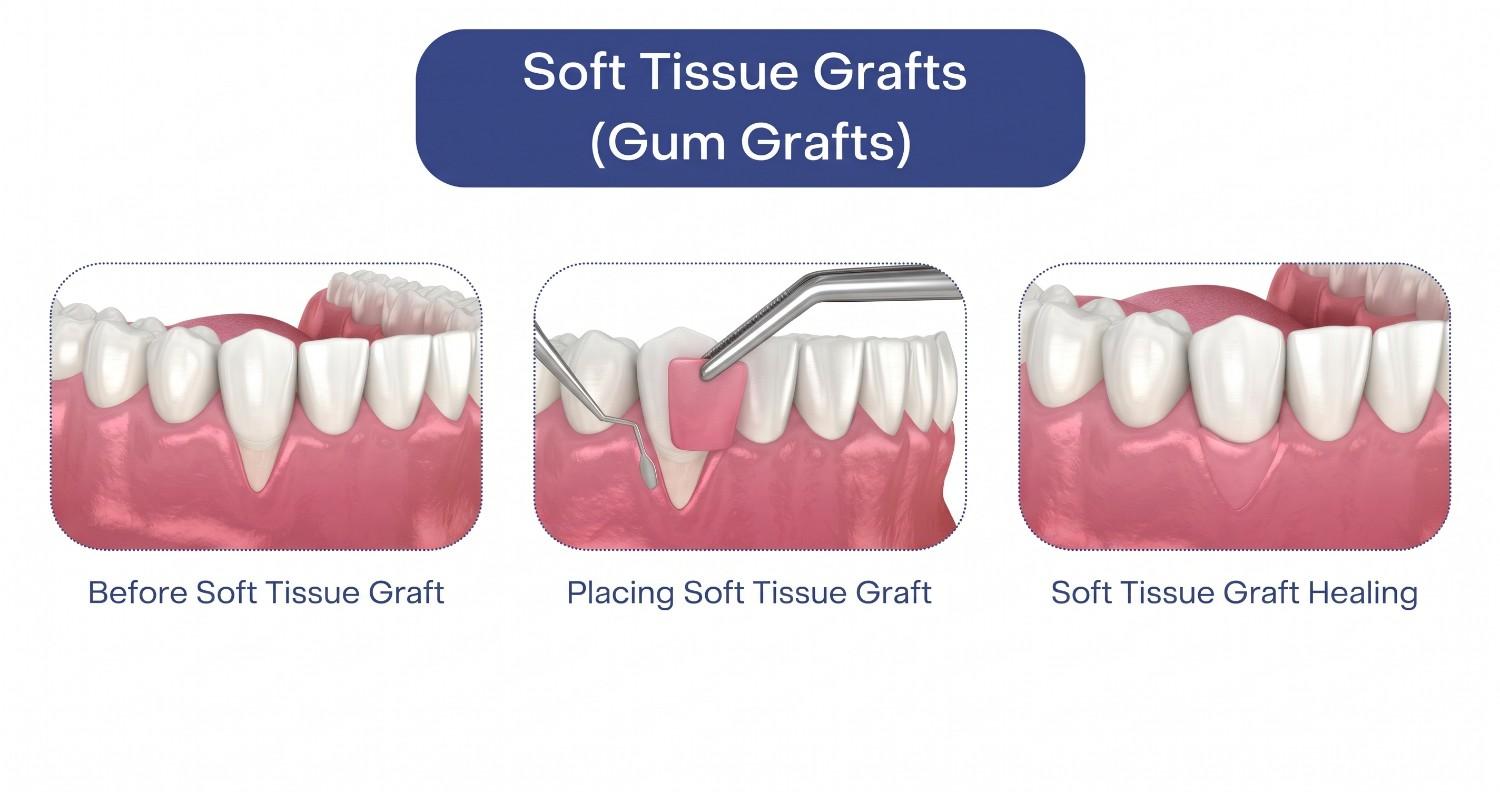
Gum recession does not always affect the entire mouth. Some patients notice that the gumline has moved around just one tooth, while the surrounding teeth still have healthy-looking coverage. This localised change may expose the root, create sensitivity and make the affected area look different from the rest of the smile. Depending on the condition of the gums, Gum Grafting in Islamabad may help improve tissue thickness and cover part of the exposed root.
Treating recession around an individual tooth requires a careful approach. The clinician needs to identify why the gum has moved, examine the supporting structures and determine whether the surrounding tissue can support a graft. A small affected area does not necessarily mean that treatment will be simple. Tooth position, root shape and the amount of available gum tissue can influence the procedure.
This guide explains how dentists assess localised recession, which grafting methods may be suitable and how patients can protect their gums after treatment.
What Is Localised Gum Recession?
Localised gum recession occurs when the gumline moves away from the normal position around one or a few teeth. Unlike generalised recession, which affects several areas, this condition may remain limited to a specific part of the mouth.
A patient might notice:
-
One tooth appearing longer than its neighbours.
-
A visible yellowish root surface near the gumline.
-
Sensitivity when drinking cold water.
-
Discomfort while brushing a particular tooth.
-
A small notch or exposed area near the gum margin.
-
An uneven appearance between neighbouring teeth.
These changes can develop gradually, so some patients only notice them during a routine dental examination.
Recession is not always painful. However, an exposed root may be more vulnerable to sensitivity, surface wear and root decay.
Why Does Recession Affect Only One Tooth?
Several factors can contribute to recession around an individual tooth. Identifying the cause is important because a graft alone may not prevent the problem from continuing.
1. Tooth Position Outside the Dental Arch
A tooth that sits outside the normal alignment of the dental arch may have limited surrounding gum or bone support. This can make the gumline more vulnerable in certain situations.
Canines and premolars may be affected when their position creates a thin tissue area.
2. Aggressive Brushing
Some patients apply too much pressure when brushing, especially around teeth they believe need extra cleaning.
Repeated mechanical irritation may contribute to recession. Using a hard-bristled toothbrush can make this problem worse.
3. Naturally Thin Gum Tissue
Not everyone has the same gum thickness. A patient may naturally have thin tissue around one tooth, making that area more vulnerable to recession.
4. Localised Periodontal Disease
Plaque and tartar can accumulate around an individual tooth, particularly when cleaning is difficult. The resulting inflammation may damage the supporting periodontal structures.
5. Dental Restorations
A rough, bulky or poorly positioned restoration margin may irritate nearby gum tissue or make plaque removal difficult.
6. Local Anatomical Factors
The shape of the tooth root, position of the gum attachment and amount of surrounding tissue can influence how recession develops.
A clinical examination helps determine which factors are relevant to the affected tooth.
Which Teeth Commonly Develop Localised Recession?
Recession can affect any tooth, but certain areas may present particular challenges.
Recession Around Canines
Canines are located at the corners of the dental arch. Their prominent position can sometimes leave the surrounding tissue relatively thin.
When recession develops, the root may become visible and create an uneven gumline. A clinician evaluates the tooth's position and surrounding tissue before considering grafting.
Recession Around Premolars
Premolars may develop recession due to brushing pressure, tooth alignment or local tissue characteristics.
Patients may experience sensitivity while eating or brushing. A graft may be considered when additional tissue coverage or thickness is clinically appropriate.
Recession Around Front Teeth
Front teeth are particularly noticeable when speaking and smiling. Even a small change in the gumline can affect the appearance of the smile.
Treatment planning must consider both periodontal health and the visible result. Complete symmetry is not always achievable.
Recession Around Molars
Recession around molars can be more challenging because of their location and root anatomy. Cleaning may also be difficult in some areas.
The clinician checks the root surfaces, periodontal pockets and supporting structures before recommending a procedure.
How Is a Single-Tooth Gum Graft Planned?
A localised graft requires detailed assessment even when only one tooth is affected.
Measuring the Recession
The clinician measures the distance between the gum margin and the expected position of the gumline. These measurements help document the defect and provide a baseline for future comparison.
Checking Gum Thickness
The clinician evaluates the thickness and quality of the tissue around the affected tooth. This helps determine whether a graft could improve the local tissue condition.
Examining the Supporting Structures
The periodontal examination may include pocket measurements, bleeding assessment and evaluation of the surrounding bone where indicated.
If active periodontal disease is present, it generally needs to be controlled before graft surgery.
Reviewing Tooth Alignment
A tooth positioned outside the dental arch may require additional consideration. The clinician may discuss whether tooth positioning contributes to the recession and whether other treatment is necessary.
Identifying the Treatment Goal
The patient and clinician should establish whether the main objective is to improve root coverage, increase gum thickness, reduce sensitivity or address an appearance concern.
These goals may overlap, but they are not always identical.
Which Gum Grafting Technique May Suit a Single Tooth?
The clinician selects a technique according to the recession pattern, surrounding tissue and treatment objective.
Connective Tissue Graft
This method is commonly considered when the aim is to improve root coverage and increase tissue thickness.
The clinician usually collects connective tissue from beneath the surface layer of the palate. The graft is placed over the affected area and secured with sutures.
It may be suitable for selected recession defects around individual teeth.
Free Gingival Graft
A free gingival graft uses tissue collected from the palate and placed directly over the recipient area.
It is often considered when increasing the amount of firm gum tissue is the main objective. The colour and texture may differ from the surrounding tissue after healing.
Pedicle Graft
A pedicle graft uses healthy tissue from the gum next to the affected tooth. The clinician moves this tissue over the recession while maintaining its attachment to the original blood supply.
This approach requires enough healthy neighbouring tissue and is not suitable for every localised defect.
Donor Tissue Graft
Processed donor tissue may be used in selected situations. It can avoid the need to collect tissue from the patient's palate.
The clinician decides whether donor material is appropriate based on the defect and the intended outcome.
Does a Single-Tooth Graft Always Cover the Entire Root?
No. The amount of root coverage depends on several clinical factors.
The position of the gum margin, the condition of the supporting tissue, the shape of the tooth and the extent of recession can influence the result.
A defect with healthy supporting structures may offer a different outlook from one involving significant tissue and bone loss.
The clinician should explain the expected outcome before treatment. Patients should not assume that a graft will restore the gumline to its original position in every case.
Can a Small Gum Recession Be Left Untreated?
Some minor recession defects can be monitored rather than treated surgically.
If the gumline is stable and the patient has no significant sensitivity or difficulty maintaining the area, the clinician may recommend preventive care and regular examinations.
Non-surgical management may include:
-
Switching to a soft-bristled toothbrush.
-
Reducing brushing pressure.
-
Improving the brushing angle and technique.
-
Using desensitising toothpaste when appropriate.
-
Removing plaque and tartar professionally.
-
Managing any active periodontal inflammation.
-
Monitoring changes in the gumline.
These measures help protect the remaining tissue, but they do not normally replace gum tissue that has already been lost.
What Happens During a Localised Gum Grafting Procedure?
Gum grafting commonly takes place under local anaesthesia. The clinician prepares the affected area and obtains tissue from the selected source if required.
The graft is positioned over the recession defect and secured with fine sutures. The clinician checks that it remains stable and may use a protective dressing when appropriate.
The procedure may involve only one recipient site, but the treatment still requires careful surgical planning.
Patients should tell the clinician about their medications, tobacco use, allergies and relevant medical history before surgery.
Recovery After Grafting Around One Tooth
Healing depends on the technique and the patient's individual response. Even a small graft requires protection during the early recovery period.
First Few Days
Tenderness, swelling and minor bleeding may occur. If tissue has been taken from the palate, the donor area may also feel uncomfortable.
Patients should avoid touching the graft with their fingers or tongue.
First Week
The tissue begins its early healing process. Follow the clinician's instructions regarding food, brushing, rinsing and prescribed medication.
Soft foods are generally easier to manage during this stage.
Following Weeks
The graft gradually becomes more stable. A follow-up appointment allows the clinician to assess healing and advise when normal cleaning around the area can resume.
Longer-Term Maturation
The tissue may continue to mature for several months. Its final appearance and the degree of root coverage become clearer with time.
Patients should attend all recommended follow-up appointments.
What Should Patients Avoid During Recovery?
Protecting the graft is particularly important in the early healing stage.
General precautions include:
-
Avoid hard, crunchy or sharp foods near the treated area.
-
Do not brush directly over the graft until instructed.
-
Avoid vigorous rinsing or forceful spitting.
-
Do not pull the lip or cheek to inspect the area repeatedly.
-
Avoid smoking and tobacco products.
-
Follow the clinician's instructions about physical activity.
-
Take prescribed medicines only as directed.
Persistent bleeding, increasing pain, unusual swelling, fever or possible signs of infection should be reported to the treating clinician.
Can Localised Gum Recession Return?
Further recession may develop if contributing factors remain uncontrolled or new periodontal problems arise.
For example, a patient who continues brushing aggressively may place unnecessary pressure on the treated area. Similarly, untreated periodontal inflammation can threaten the health of the surrounding tissue.
Long-term care should include gentle brushing, regular dental examinations and professional periodontal maintenance when recommended.
How Much Does Gum Grafting Cost in Islamabad?
The cost of a graft involving one tooth depends on the treatment technique and the complexity of the recession defect.
Factors that may influence the estimate include:
-
Location of the affected tooth.
-
Severity of recession.
-
Type of graft selected.
-
Whether tissue needs to be collected from the palate.
-
Use of donor tissue where appropriate.
-
Need for preliminary periodontal treatment.
-
Diagnostic examinations and follow-up visits.
Patients can learn more about Gum Grafting cost and discuss their treatment requirements during an individual assessment.
A single-tooth procedure should not automatically be assumed to cost the same in every case. The clinician needs to examine the affected area before providing an accurate estimate.
How Can Patients Protect the Treated Tooth?
Good daily habits help maintain the gum tissue after treatment.
Use a soft toothbrush: Gentle brushing helps reduce unnecessary mechanical pressure.
Clean between the teeth: Use floss or an appropriate interdental cleaning aid as recommended.
Avoid tobacco: Tobacco use can negatively affect periodontal health and healing.
Attend regular examinations: Dental reviews help identify new recession, inflammation or root surface problems.
Address sensitivity early: Persistent sensitivity should be assessed rather than ignored.
Follow professional guidance: Patients with a history of periodontal disease may need a personalised maintenance schedule.
Seeking a Dental Assessment in Islamabad
A patient who notices recession around one tooth should arrange an examination to identify the cause. Early assessment can help distinguish between stable recession, active periodontal disease and other dental problems.
A general dental consultation can help evaluate oral health concerns and determine whether further periodontal assessment is appropriate. Patients can visit Dental Clinic Islamabad for general dental information and consultation.
The decision to proceed with a graft should depend on the condition of the affected tooth, the surrounding gum tissue and the patient's treatment goals.
Conclusion
Localised gum recession can affect a single tooth without causing visible changes throughout the rest of the mouth. Even a small defect may expose the root, create sensitivity or change the appearance of the smile.
Gum grafting may help improve coverage and tissue thickness in suitable cases. However, the outcome depends on the recession pattern, tooth position, supporting structures and healing response.
A detailed assessment helps determine whether surgery is appropriate or whether monitoring and preventive care are sufficient. With realistic expectations and consistent oral hygiene, patients can take informed steps towards maintaining healthy gums.
Frequently Asked Questions
1. Can gum grafting treat recession around only one tooth?
Yes. A graft may be performed around an individual tooth when the clinical examination shows that additional tissue could provide a meaningful benefit.
2. Which tooth is most difficult to treat with gum grafting?
Treatment difficulty depends on the recession defect, root anatomy, tooth position and available supporting tissue. Molars and teeth positioned outside the dental arch may present particular challenges in some cases.
3. Can a single-tooth gum graft reduce sensitivity?
It may reduce sensitivity when exposed root surfaces are responsible for the discomfort. Other causes of sensitivity should be assessed separately.
4. Is gum grafting necessary for mild recession?
Not always. Stable and mild recession may only require monitoring, improved brushing habits and preventive care.
5. Does a gum graft change the shape of the tooth?
No. The procedure adds or repositions soft tissue. It does not change the natural shape of the tooth.
6. Can a graft around one tooth use tissue from a nearby gum area?
Yes, a pedicle graft may use neighbouring tissue when enough healthy gum is available. The clinician determines whether this method is suitable.
7. How long does a single-tooth gum graft take to heal?
Initial healing generally takes several weeks, while the graft may continue maturing over several months. The timeline varies between patients.
8. Can I brush the treated tooth normally after surgery?
You should avoid brushing directly over the graft until the clinician advises that it is safe. Continue cleaning unaffected areas according to the recommended instructions.

 English
 Arabic
 French
 Spanish
 Portuguese
 Deutsch
 Turkish
 Dutch
 Italiano
 Russian
 Romaian
 Greek