


PicoWay and PicoSure for Melasma Treatment in Dubai
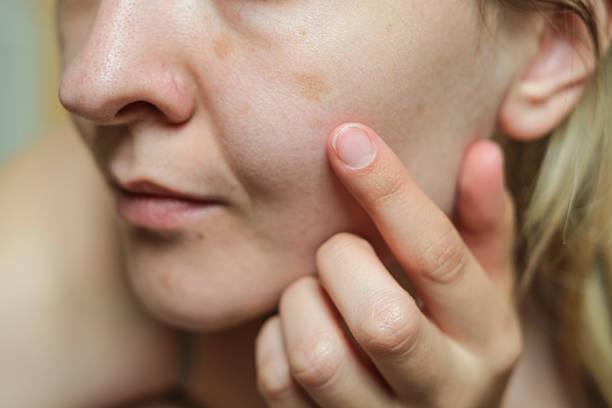
Picosecond laser platforms such as PicoWay and PicoSure are known for delivering extremely short pulses of laser energy. Their technology is used for selected pigment and skin concerns, but treating melasma requires a more cautious approach than removing an isolated tattoo or sunspot. During Melasma Treatment in Dubai, a dermatologist may evaluate whether a picosecond device has a role in a carefully selected case, while considering the risk of inflammation and rebound pigmentation.
The appeal of picosecond technology is its ability to deliver energy in very short bursts. These pulses can produce photomechanical effects that interact with pigment-containing structures. However, this does not mean that every melasma patient is a suitable candidate or that picosecond treatment guarantees better outcomes than other approaches.
What Is Picosecond Laser Technology?
A picosecond is one trillionth of a second. Picosecond laser devices deliver energy in pulses measured in this extremely short time range.
Compared with longer-pulse systems, these devices can generate strong peak power over a shorter period. Depending on the wavelength, spot size, and energy settings, the laser may produce photomechanical effects that affect pigment-containing structures.
Understanding the Photomechanical Effect
Laser energy absorbed by pigment can create rapid changes within targeted structures. This can generate mechanical stress that may fragment pigment particles or affect pigment-containing cells.
The term photomechanical describes this rapid energy interaction. It does not mean the treatment removes every melanocyte or permanently eliminates the biological tendency to develop melasma.
Why Pulse Duration Matters
Pulse duration influences how energy is delivered to the target. Short pulses may reduce certain forms of surrounding thermal exposure, but overall treatment safety still depends on wavelength, fluence, spot size, repetition rate, and patient characteristics.
A short pulse alone does not guarantee a gentle treatment.
PicoWay and PicoSure in Melasma Treatment in Dubai
PicoWay and PicoSure are different picosecond laser platforms. Their available wavelengths and configurations vary, so they should not be considered identical devices.
PicoWay Technology
PicoWay is a picosecond laser platform with multiple wavelength options depending on the device configuration. Different wavelengths interact with pigment in different ways.
A clinician must select the appropriate platform configuration and assess whether its use is suitable for the specific pigmentation concern.
PicoSure Technology
PicoSure is another picosecond laser platform. Its wavelength and available treatment options depend on the system and handpiece.
It is used for selected pigment-related and skin concerns, but melasma treatment requires separate clinical judgment. A device's ability to treat pigmentation does not automatically establish that it is appropriate for chronic melasma.
Why Device Names Do Not Determine Treatment Success
The brand name is only one part of treatment selection. A dermatologist should also consider:
-
The confirmed diagnosis.
-
Pigment depth and distribution.
-
Skin tone and history of post-inflammatory pigmentation.
-
Previous response to lasers or peels.
-
The specific device configuration.
-
Whether topical management and photoprotection have been optimized.
A clinic should be able to explain why a particular device is being recommended rather than relying on marketing claims about its technology.
How Picosecond Pulses Interact With Pigment
Melanin absorbs selected wavelengths of light. When laser energy is absorbed, it can produce thermal and mechanical effects depending on the device and treatment settings.
The objective in selected pigment procedures is to influence the target while minimizing unnecessary injury to surrounding tissue.
However, melasma is more complex than isolated pigment deposits. It can involve melanocyte activity, inflammation, vascular factors, and changes in the skin's supporting structures.
This is why pigment fragmentation alone may not provide lasting control.
Why Picosecond Treatment Requires Caution in Melasma
Melasma-prone skin can react to inflammation. Even a procedure designed to target pigment may stimulate further discoloration if the skin responds with irritation.
Potential concerns include:
-
Post-inflammatory hyperpigmentation.
-
Temporary worsening of existing patches.
-
Uneven lightening.
-
Mottled hypopigmentation.
-
Persistent sensitivity or redness.
-
Recurrence after initial improvement.
These risks are influenced by the patient's skin characteristics, treatment parameters, and aftercare.
Comparing Picosecond Lasers With Other Melasma Options
A dermatologist may compare different approaches before recommending a device-based procedure.
| Treatment | General purpose | Important melasma consideration |
|---|---|---|
| Picosecond laser | Short-pulse interaction with selected pigment targets | Evidence and suitability vary by melasma type |
| Q-switched Nd:YAG | Selected pigment-targeting applications | Repeated treatment may cause rebound effects |
| Chemical peels | Controlled exfoliation | Irritation can worsen pigmentation |
| Topical pigment regulators | Help manage excess pigment production | Require consistent and appropriate use |
| Photoprotection | Reduce UV and visible-light stimulation | Essential for long-term management |
No device should be selected simply because it is newer or marketed as more advanced. The dermatologist should explain the evidence relevant to melasma rather than general pigment removal.
Who May Be Considered for Picosecond Laser Assessment?
A dermatologist may discuss picosecond technology in selected patients after reviewing the diagnosis and previous treatment history.
Assessment may be particularly important when:
-
Pigmentation remains persistent despite appropriate topical care.
-
The diagnosis has been confirmed.
-
The patient understands the possibility of recurrence.
-
The skin is not actively irritated or inflamed.
-
There is a clear clinical reason to consider a device-based approach.
Patients with a history of worsening pigmentation after laser treatment may require additional caution or an alternative strategy.
Preparing for a Picosecond Laser Consultation
Before proceeding, patients should disclose previous procedures, recent tanning, active skin conditions, medication use, and any history of abnormal pigmentation.
The consultation should cover:
-
Whether the patches are genuinely melasma.
-
Whether the proposed device is appropriate for the pigment pattern.
-
Which wavelength and treatment approach are being considered.
-
Possible side effects and alternatives.
-
Expected recovery and aftercare.
-
How progress will be monitored.
Patients should also ask whether the proposed treatment is intended to improve melasma itself or another coexisting pigmentation concern.
Aftercare and Long-Term Pigment Control
Following a procedure, the dermatologist may recommend gentle cleansing, moisturization, and consistent sun protection.
Important measures can include:
-
Using broad-spectrum sunscreen daily.
-
Considering tinted sunscreen containing iron oxides.
-
Avoiding unnecessary exfoliation during recovery.
-
Limiting direct sun exposure.
-
Following prescribed topical care.
-
Attending follow-up reviews.
Melasma can return even after a visible improvement. Long-term management should therefore continue beyond the final device session.
Clinic Note: Picosecond lasers are designed to deliver very short energy pulses, but advanced technology does not remove the biological complexity of melasma. Device selection should be based on diagnosis, skin type, clinical evidence, and the patient's risk of post-inflammatory pigmentation.
Frequently Asked Questions
Are PicoWay and PicoSure the same laser?
No. They are different picosecond laser platforms with different device configurations and wavelength options. Their suitability depends on the specific clinical indication.
Can picosecond lasers permanently remove melasma?
No permanent clearance can be guaranteed. Melasma can recur because sunlight, hormonal influences, and other biological triggers remain active.
Are picosecond lasers better than Q-switched lasers for melasma?
There is no universal answer. Evidence and treatment response vary, and a dermatologist should consider the patient's skin and diagnosis before selecting a device.
Can picosecond laser treatment cause rebound pigmentation?
Yes. Irritation or inflammation after laser treatment can contribute to post-inflammatory pigmentation or a melasma flare.
How many picosecond sessions are required?
There is no standard session count for every patient. The dermatologist should determine whether treatment is appropriate and review the skin's response before planning additional sessions.
Is picosecond laser suitable for darker skin tones?
It may be considered in selected cases, but pigmentation risks require careful evaluation. Device settings and skin characteristics both influence safety.
Can I combine picosecond laser treatment with topical creams?
Some treatment plans may combine procedures with topical products, but the timing and ingredients should be selected by the treating dermatologist to avoid irritation.
Explore Pigmentation Options at Tajmeels Clinic
Persistent melasma requires a treatment strategy that considers both visible pigmentation and the factors that can cause it to return. Tajmeels Clinic offers pigmentation-focused options that can be reviewed during an individual consultation.
If you are considering PicoWay, PicoSure, or another laser-based approach, arrange a skin assessment to discuss suitability, alternatives, expected outcomes, and potential risks. A dermatologist can help determine whether a device-based treatment belongs in your long-term pigmentation plan.

 English
 Arabic
 French
 Portuguese
 Deutsch
 Turkish
 Dutch
 Italiano
 Russian
 Romaian
 Portuguese (Brazil)
 Greek