


Bitumen Membrane Waterproofing Dubai: A Reliable Solution for Roof Protection
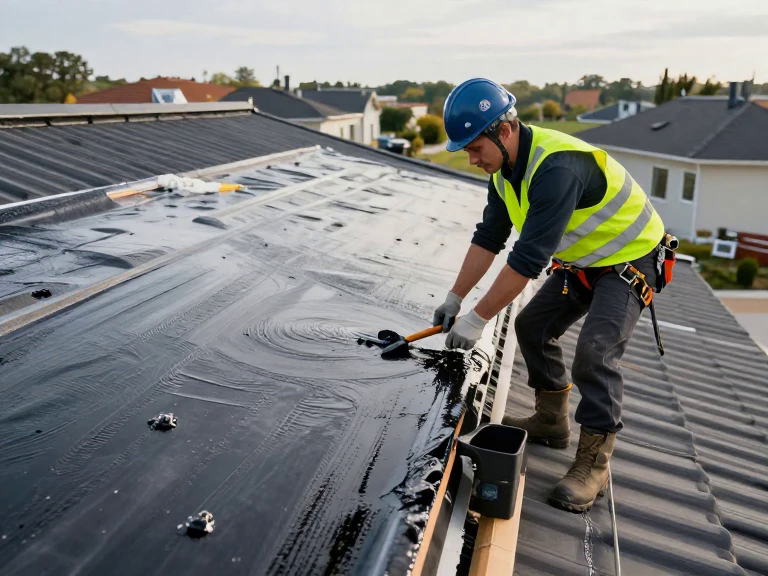
Roof protection is essential for maintaining the strength and condition of buildings exposed to demanding weather conditions. In Dubai, high temperatures, direct sunlight, dust, and seasonal rainfall can gradually affect roofing surfaces and increase the risk of water penetration. Flat roofs, terraces, concrete slabs, and other exposed areas require suitable protection to prevent moisture from damaging the structure. Selecting the right waterproofing material can help reduce maintenance problems and improve the performance of a building over time.
A Bitumen membrane waterproofing Dubai is a practical solution for protecting roofs against leakage, moisture penetration, and premature surface deterioration.
What Is Bitumen Membrane Waterproofing?
Bitumen membrane waterproofing is a protective system that uses waterproof membranes manufactured with bitumen-based compounds. These membranes are installed over prepared surfaces to create a barrier that prevents water from passing through the roof or other structural areas.
Depending on the product, bitumen membranes may contain reinforcing materials that improve strength, flexibility, and resistance to physical stress. The membrane is installed in sections with properly sealed overlaps to create continuous waterproof coverage.
This system is commonly considered for flat roofs, building foundations, terraces, concrete surfaces, and other areas where moisture protection is necessary. Its suitability depends on the surface condition, project requirements, and installation method.
Why Bitumen Membranes Are Suitable for Dubai Buildings
Dubai's climate requires waterproofing materials capable of performing under challenging environmental conditions. Roofing systems experience prolonged exposure to sunlight and heat, while rainfall can reveal weaknesses in joints, drainage areas, and existing protective layers.
Bitumen membranes provide a dedicated waterproof barrier that helps protect the underlying surface from direct contact with water. When the correct membrane is selected and professionally installed, it can support reliable roof protection and reduce the risk of recurring leakage.
The system is particularly useful for buildings with flat or low-slope roofs where maintaining continuous waterproof coverage is important. Proper detailing around roof edges, outlets, and connections helps improve the overall effectiveness of the installation.
Key Benefits of Bitumen Membrane Waterproofing
Effective Protection Against Water Penetration
One of the main advantages of bitumen membranes is their ability to create a continuous waterproof layer. This barrier helps prevent rainwater and moisture from entering through exposed roof surfaces.
Correctly sealed overlaps and connections reduce the possibility of water finding openings between membrane sections. This is particularly important for roofs where even small leakage points can affect interior spaces.
Flexibility and Surface Adaptability
Certain bitumen membranes offer flexibility that helps accommodate limited movement within roofing surfaces. This characteristic can be useful when roofs experience temperature-related expansion and contraction.
The membrane type should be selected according to the roof's movement requirements and exposure conditions to ensure suitable performance.
Protection for Concrete Roofs
Concrete roofs can develop cracks and surface defects over time. Water entering through these openings may contribute to deterioration and damage surrounding building materials.
Bitumen membrane waterproofing provides an additional protective layer over suitable concrete surfaces, helping reduce moisture penetration and preserve the roof's condition.
Reduced Maintenance Requirements
A properly installed waterproofing system can help minimize recurring leakage problems and unnecessary repairs. Preventing water penetration reduces the likelihood of moisture affecting ceilings, paint, plaster, and other interior finishes.
Routine inspections and maintenance remain necessary to ensure the protective layer continues performing effectively.
Where Bitumen Membrane Waterproofing Is Used
Bitumen membrane systems are suitable for several applications depending on the membrane specification and project requirements.
Flat roofs: Residential and commercial roofs require continuous waterproofing protection against rainfall and water accumulation.
Villa roofs: Waterproof membranes help protect exposed concrete roofing surfaces and reduce the risk of leakage into living spaces.
Terraces: Terrace surfaces require protection against water penetration, particularly around corners, edges, and drainage points.
Foundations: Suitable bituminous waterproofing products may be used to protect underground structural surfaces against soil moisture and water exposure.
Roof extensions: Newly constructed or renovated roof sections may require membrane waterproofing to protect the connections between existing and new surfaces.
Step-by-Step Bitumen Membrane Installation Process
The quality of installation plays a major role in determining the performance of the waterproofing system. A proper process helps reduce weak points and improves the reliability of the finished membrane.
1. Roof Inspection
The contractor examines the surface to identify cracks, damaged concrete, existing coatings, drainage concerns, and areas requiring additional attention.
2. Surface Cleaning
Dust, debris, loose materials, and other contaminants are removed. A clean and properly prepared surface helps ensure better bonding and reduces installation problems.
3. Repairing Surface Defects
Cracks, damaged areas, and uneven sections are repaired before membrane installation. Drainage problems and vulnerable roof connections should also be addressed where necessary.
4. Primer Application
Depending on the selected membrane system, a compatible primer may be applied to prepare the surface and improve adhesion.
5. Membrane Installation
The bitumen membrane is installed using the appropriate method specified for the system. Overlaps, edges, corners, and junctions are carefully treated to maintain continuous waterproof coverage.
6. Final Inspection
The completed waterproofing layer is checked for visible defects, poorly sealed joints, incomplete coverage, and potential weak points. Appropriate testing may be carried out when required and permitted by the system.
GSW Technical Works UAE provides waterproofing solutions for residential and building projects, helping property owners protect exposed surfaces through suitable materials and professional application.
Common Problems That Can Affect Membrane Performance
Even quality waterproofing materials may experience problems when installation or maintenance is inadequate. Common issues include poorly sealed membrane overlaps, damaged surfaces, insufficient preparation, and water accumulation caused by blocked drainage outlets.
Excessive heat exposure, physical damage, and unsuitable material selection can also affect the system's performance.
Regular inspections help identify early signs of deterioration, including lifting membrane edges, visible cracks, damaged joints, and water collecting in low areas. Addressing these concerns promptly helps reduce the risk of extensive leakage.
How to Choose a Bitumen Waterproofing Contractor in Dubai
Selecting a suitable contractor is an important part of achieving reliable waterproofing results. Property owners should consider the contractor's experience with roof membrane systems, understanding of surface preparation, material selection, and attention to installation details.
A professional contractor should inspect the roof before recommending a solution rather than offering the same material for every project. Clear information about the waterproofing system, installation process, and maintenance requirements helps homeowners make informed decisions.
Proper workmanship around drainage outlets, roof edges, wall junctions, and membrane overlaps should also be considered when evaluating the quality of a waterproofing project.
Frequently Asked Questions
How long does bitumen membrane waterproofing last?
Its service life depends on membrane quality, installation standards, environmental exposure, roof condition, and maintenance. Regular inspections help identify defects and maintain the system's performance.
Is bitumen membrane waterproofing suitable for villa roofs?
Yes, suitable bitumen membrane systems can be used on many villa roofs, particularly flat or low-slope surfaces. The appropriate membrane should be selected according to the roof design and project requirements.
Can bitumen membranes be installed over an existing waterproofing layer?
Sometimes, but the existing layer must be inspected for adhesion, damage, moisture, and compatibility. In certain cases, removing the old material and preparing the surface properly may be necessary.
Conclusion
Bitumen membrane waterproofing provides a dependable protective solution for roofs and other exposed building surfaces requiring resistance to water penetration. Its effectiveness depends on selecting the appropriate membrane, preparing the surface correctly, sealing connections carefully, and maintaining the finished system. For properties exposed to Dubai's demanding climate, professional waterproofing can help reduce leakage risks, preserve roofing materials, and minimize recurring maintenance problems. Investing in Bitumen Membrane Waterproofing Dubai is a practical way to strengthen roof protection and maintain the long-term condition of residential and commercial buildings.

 English
 Arabic
 French
 Spanish
 Portuguese
 Deutsch
 Turkish
 Dutch
 Italiano
 Russian
 Portuguese (Brazil)
 Greek