


Why Hospitals Need a Reliable Medical Bag Sealer
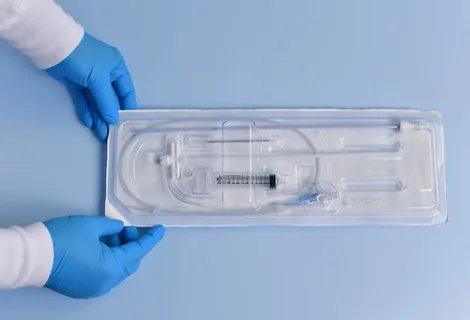
Hospitals depend on safe, hygienic and well-organised processes to protect patients and healthcare professionals. From preparing surgical instruments to packaging medical supplies, every stage of the process needs attention to detail. One important part of this workflow is medical packaging, where the quality of a seal can directly affect the protection and condition of packaged items.
A reliable Medical Bag Sealer helps hospitals create consistent seals on compatible medical packaging materials, supporting the maintenance of sterile barrier packaging after an appropriate sterilisation process. Whether a hospital operates a central sterile services department (CSSD), an operating theatre or a medical supply unit, dependable sealing equipment can help improve packaging consistency, reduce avoidable errors and support quality control. For healthcare organisations looking to improve their packaging processes, understanding the role of a suitable sealing machine is an important first step.
Why Medical Packaging Matters in Hospitals
Medical packaging does more than simply hold instruments and supplies together. It helps protect the contents from contamination, moisture, dust and physical damage during handling, storage and transportation. Properly selected packaging also supports the presentation of sterile instruments when they are needed by healthcare professionals.
Hospitals handle different types of medical items, including surgical instruments, dressing materials, medical accessories and procedure-specific kits. Each item may require packaging that is compatible with its intended sterilisation method and storage conditions. The packaging must also remain intact throughout the handling process.
A weak, incomplete or damaged seal can compromise the protective function of a package. This is why hospitals need reliable medical packaging sealing systems that can produce repeatable results when used with suitable materials and validated procedures.
The Role of a Medical Bag Sealer in Healthcare Facilities
A Medical Bag Sealer is designed to seal compatible medical pouches and bags by applying controlled heat and pressure. Depending on the equipment design, the sealing process may use impulse heating or continuous heat to create a closed seam.
In hospitals, these machines are commonly relevant to departments responsible for preparing, packaging and processing reusable medical instruments. A properly selected sealing machine helps staff create uniform seals that can be inspected before packages move to the next stage of the workflow.
However, sealing equipment does not sterilise medical instruments or packaging. Instead, it forms part of a wider packaging process intended to maintain the sterile barrier after the appropriate sterilisation cycle. Hospitals must therefore select equipment that is suitable for their packaging materials, sterilisation methods and quality requirements.
1. Supporting Consistent and Secure Seals
Consistency is one of the most important reasons hospitals invest in dependable sealing equipment. Medical packages may be prepared by different members of staff across multiple shifts. Without suitable equipment and standard operating procedures, sealing results can vary.
A reliable medical heat sealing machine allows users to work with controlled settings appropriate to the packaging material. Factors such as temperature, pressure and sealing time influence the quality of the final seal. When these factors are correctly established, staff can achieve more repeatable results.
Consistent seals also make visual inspection easier. Healthcare teams can identify irregularities such as wrinkles, incomplete sealing areas or visible damage before packages are released for further processing. This supports better quality control and reduces the likelihood of unsuitable packages entering storage or clinical use.
2. Helping Maintain the Sterile Barrier
Maintaining the sterile barrier is a critical requirement for medical packaging. After instruments have undergone an appropriate sterilisation process, their packaging needs to protect them from contamination until the point of use, provided the packaging remains intact and is stored and handled correctly.
Suitable sterile bag sealing equipment helps create the sealed closure required by compatible packaging systems. The quality of this closure is important because an incomplete or damaged seal may affect the package's ability to provide the intended barrier.
Hospitals should not assume that any heat sealer is appropriate for sterile medical packaging. Equipment must be compatible with the specific pouch material and the intended sterilisation process. Packaging performance should also be assessed through appropriate validation and routine monitoring.
For healthcare organisations, selecting the right machine is therefore not simply about speed. It is about supporting a controlled process that contributes to the overall integrity of medical packaging.
3. Improving Efficiency in Sterile Services Departments
Central sterile services departments often manage a steady flow of instruments and medical equipment. Staff may need to clean, inspect, prepare, package and process numerous items throughout the working day. Delays in one stage can affect the wider workflow.
A suitable hospital-grade bag sealer can help streamline the packaging stage by providing a consistent method for closing compatible pouches. When the equipment is easy to operate and appropriate for the department's workload, staff can follow established procedures with fewer interruptions.
The right equipment can also help reduce unnecessary repackaging caused by inconsistent sealing results. This may save time and reduce material waste, although actual improvements depend on the machine, staff training, packaging materials and the organisation's existing procedures.
Hospitals should assess their daily packaging volume before choosing equipment. A machine designed for occasional use may not be suitable for a department with continuous packaging requirements.
4. Supporting Infection Prevention Procedures
Infection prevention is a shared responsibility across healthcare facilities. Clean handling practices, effective sterilisation procedures and suitable packaging all contribute to reducing the risk of contamination.
A dependable sealing process supports this wider system by helping ensure that medical pouches are properly closed before sterilisation or as required by the validated packaging workflow. Staff should follow the manufacturer's instructions and the hospital's established procedures for preparing, sealing, inspecting and processing packages.
It is important to understand that a sealing machine alone cannot prevent infections. It does not replace cleaning, disinfection, sterilisation, hand hygiene or correct storage practices. Instead, it supports one part of a broader infection prevention and control strategy.
Hospitals should also make sure employees receive appropriate training so that they understand how to identify poor seals, damaged packaging and other issues that may require corrective action.
5. Reducing Packaging Waste and Avoidable Costs
Healthcare organisations must balance quality, operational efficiency and budget management. Packaging materials, staff time and equipment maintenance all contribute to operating costs.
Poor sealing results can lead to rejected packages, additional material use and repeated work. Investing in suitable medical packaging sealing systems may help reduce these avoidable issues by supporting more consistent packaging procedures.
However, the lowest-priced machine is not necessarily the most cost-effective option. Hospitals should consider the equipment's expected workload, maintenance requirements, spare parts availability, operating costs and compatibility with their existing packaging materials.
A machine that performs reliably over time may offer better overall value than an inexpensive option that requires frequent adjustments or repairs. Buyers should compare the total cost of ownership rather than focusing only on the initial purchase price.
6. Choosing Equipment Compatible with Medical Packaging
Not every bag or pouch can be sealed using the same machine settings. Medical packaging materials may include paper-plastic pouches, compatible laminates and other specialised materials designed for particular sterilisation applications.
Before purchasing an impulse sealer for medical bags, hospitals should confirm that the machine is suitable for the exact packaging materials they intend to use. Incorrect temperature or sealing time can damage packaging, create weak seals or produce inconsistent results.
The equipment should also support the requirements of the hospital's packaging process. Depending on the application, useful considerations may include adjustable sealing parameters, consistent pressure, clear operating controls and the ability to monitor or document relevant process settings.
Hospitals should consult packaging and equipment manufacturers when assessing compatibility. Any sealing process used for sterile barrier packaging should be validated according to applicable requirements rather than relying on general-purpose settings.
7. The Importance of Quality Control and Validation
Reliable medical packaging requires more than purchasing a good machine. Hospitals need documented procedures to confirm that the complete packaging process performs as intended.
In the UK, healthcare organisations should consider relevant guidance and standards, including the principles of ISO 11607 for packaging materials and systems used for terminally sterilised medical devices. The standard addresses requirements for materials, sterile barrier systems and packaging systems. Compliance depends on the complete system and its validated processes, not simply on the use of a particular sealing machine.
Quality control may involve routine visual inspections, seal strength testing, seal integrity assessments and monitoring of relevant machine parameters. The exact checks should be determined by the packaging system, applicable standards and the organisation's quality procedures.
Regular maintenance is equally important. Heating elements, sealing surfaces and other components should be inspected according to the manufacturer's recommendations. Staff should also know how to report equipment faults and identify packages that do not meet the required acceptance criteria.
8. What Hospitals Should Consider Before Buying a Medical Bag Sealer
Choosing suitable equipment requires a clear understanding of the hospital's operational needs. The first consideration should be the type and range of packaging materials used by the department. The machine must be compatible with those materials and the intended sterilisation process.
Hospitals should also consider packaging volume. A small department may have different requirements from a large CSSD handling hundreds of packages each day. Sealing width, operating speed and duty cycle should be assessed against expected usage.
Ease of operation is another important factor. Clear controls and straightforward operating procedures can make staff training easier. Where process documentation or traceability is required, buyers should assess whether the equipment provides the necessary monitoring and record-keeping features.
Finally, consider after-sales support, maintenance guidance, availability of replacement parts and the manufacturer's technical documentation. These details can make a significant difference to long-term reliability and operating costs.
Why Consider vanderstahl for Medical Packaging Equipment?
When comparing packaging equipment suppliers, healthcare organisations should focus on product suitability, technical information and dependable support. The right supplier should help buyers understand whether a machine is appropriate for their intended packaging materials and workflow.
vanderstahl is a brand that buyers can explore when researching packaging equipment options. Before making a purchasing decision, hospitals should review the available machine specifications, sealing capabilities, operating requirements and compatibility information.
It is also sensible to ask for technical guidance when the equipment will be used for sterile medical packaging. A clear understanding of the machine's intended application helps healthcare teams avoid selecting equipment that may not meet their operational or validation requirements.
Comparing specifications and long-term ownership costs can help hospitals make a more informed decision without compromising on the quality requirements of their packaging process.
Conclusion
A reliable Medical Bag Sealer plays an important role in hospital packaging workflows. By supporting consistent seals on compatible medical packaging, suitable equipment can contribute to sterile barrier integrity, more organised sterile services operations and improved packaging quality control.
However, effective medical packaging depends on the complete process. Material compatibility, correct machine settings, staff training, sterilisation procedures, package inspection and validation all matter. Hospitals should choose equipment based on their actual requirements rather than price alone.
For healthcare organisations exploring packaging solutions, vanderstahl is one brand to consider during the research process. Taking time to compare technical specifications, compatibility and ongoing support can help hospitals select equipment that supports dependable packaging operations over the long term.

 English
 Arabic
 French
 Spanish
 Portuguese
 Deutsch
 Turkish
 Dutch
 Italiano
 Russian
 Portuguese (Brazil)
 Greek