


How Does Melasma Treatment Restore Skin Brightness?
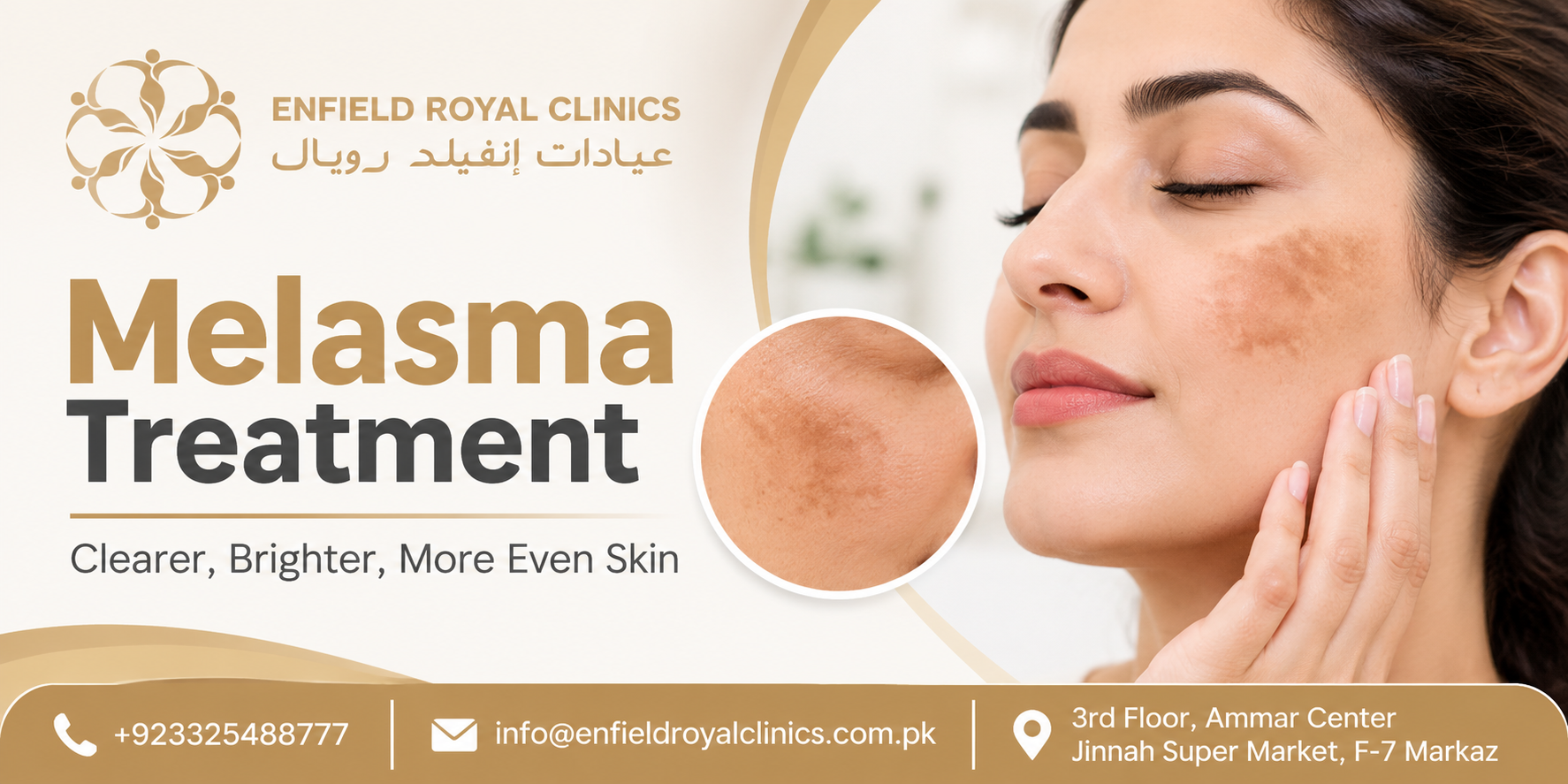
Healthy, bright-looking skin is often associated with an even complexion and a smooth texture. However, conditions such as melasma can affect the skin's natural appearance by creating brown or greyish patches on the face. These patches commonly develop on the cheeks, forehead, nose, and upper lip, making some areas appear darker than the surrounding skin.
Melasma occurs when the skin produces excess melanin, the pigment responsible for its colour. Sun exposure, hormonal changes, genetics, and other environmental factors can contribute to this condition. Although melasma is not usually harmful, it can be difficult to manage without a suitable skincare routine and treatment approach.
Fortunately, different treatment options can help reduce visible pigmentation and restore a more balanced complexion. Melasma Treatment in Islamabad focuses on controlling excess pigmentation, improving uneven skin tone, and supporting healthier-looking skin. With appropriate care, many individuals can gradually achieve a brighter and clearer appearance.
1. Understanding How Melasma Affects Natural Skin Brightness
Melasma develops when pigment-producing cells called melanocytes become overactive. These cells produce too much melanin in certain areas, resulting in visible dark patches. Depending on the individual, pigmentation may appear light brown, dark brown, or greyish.
The condition commonly affects sun-exposed areas of the face. In some cases, patches appear symmetrically on both cheeks or across the forehead. This uneven distribution can make the complexion look dull or discoloured.
Several factors may contribute to melasma:
-
Sun exposure: Ultraviolet radiation stimulates melanin production and can make existing pigmentation darker.
-
Hormonal changes: Pregnancy and certain hormonal medications may trigger or worsen melasma.
-
Genetic tendency: People with a family history of pigmentation may be more likely to develop the condition.
-
Visible light and heat: These environmental factors may aggravate melasma in susceptible individuals.
-
Skin irritation: Inflammation caused by harsh products or unsuitable procedures can sometimes lead to additional pigmentation.
Understanding these causes helps explain why melasma treatment focuses on more than simply lightening dark patches. Controlling the triggers is equally important for maintaining a brighter complexion.
2. How Does Melasma Treatment Improve Uneven Skin Tone?
The main purpose of melasma treatment is to reduce excess pigmentation and create a more balanced appearance. Different treatments work in different ways. Some reduce melanin production, while others encourage skin renewal or target existing pigment.
A suitable treatment plan may help:
-
Lighten visible brown or greyish patches.
-
Reduce the contrast between pigmented and unaffected areas.
-
Improve the overall appearance of facial skin.
-
Support a more even complexion.
-
Reduce the chances of further darkening when combined with sun protection.
Improvement usually happens gradually. The skin needs time to respond to treatment, and the results depend on pigmentation depth, skin type, and consistency of care.
People considering Melasma Treatment in Islamabad should understand that the goal is controlled pigmentation improvement rather than an artificial change in natural skin colour. A suitable approach aims to restore a more even appearance while maintaining the skin's health.
3. Topical Treatments That Help Restore Skin Brightness
Topical treatments are commonly used to manage melasma and improve uneven skin tone. These products are applied directly to the affected areas and contain ingredients that target excess pigmentation or support skin renewal.
Some commonly used ingredients include:
Vitamin C: This antioxidant helps protect the skin against environmental damage and supports a brighter-looking complexion. It may also help improve the appearance of dark spots when used consistently.
Niacinamide: Niacinamide supports the skin barrier and helps reduce the transfer of melanin to surrounding skin cells. It can be a useful ingredient for people who want to improve uneven skin tone without relying on aggressive exfoliation.
Azelaic Acid: This ingredient helps manage excess pigmentation and may also benefit people with acne-prone skin. It is often considered for individuals who need a treatment that addresses more than one skin concern.
Retinoids: Retinoids support skin cell renewal and may help improve pigmentation over time. However, they can cause dryness and irritation, so they should be introduced carefully. They are generally avoided during pregnancy unless specifically advised by a qualified healthcare professional.
Hydroquinone: This is a pigmentation-reducing ingredient that may be prescribed for selected cases. It requires professional supervision because inappropriate or prolonged use can cause unwanted side effects.
The most appropriate ingredient depends on skin sensitivity, pigmentation severity, and medical history. Using several strong products together may irritate the skin and make pigmentation worse.
4. Professional Treatments That Support a Brighter Complexion
When skincare products alone do not provide enough improvement, selected professional procedures may be considered. These treatments aim to reduce visible pigmentation through controlled exfoliation or targeted pigment reduction.
Chemical Peels
Chemical peels use carefully selected solutions to exfoliate the outer layers of the skin and encourage renewal. Ingredients such as glycolic acid and lactic acid may help improve superficial pigmentation and uneven skin tone.
The strength of the peel must be suitable for the individual's skin. Aggressive exfoliation can cause irritation and post-inflammatory hyperpigmentation, particularly in darker skin tones.
Laser and Light-Based Treatments
Certain laser and light-based procedures target pigment within the skin. They may be considered for selected cases where pigmentation remains noticeable despite other treatments.
However, laser procedures are not suitable for everyone. The wrong technology or settings can worsen melasma, so careful assessment is essential before treatment.
Professional Skin Treatments
Some professional skincare procedures may help improve texture and support skin renewal. Their suitability depends on the individual's skin condition and sensitivity.
A combination of appropriate procedures and home skincare may provide better management for selected individuals. However, combining too many treatments can increase irritation and should be avoided.
5. Why Is Sun Protection Essential for Maintaining Skin Brightness?
Sun exposure is one of the most important triggers of melasma. Ultraviolet radiation can stimulate melanocytes, encouraging them to produce additional melanin. Visible light may also contribute to pigmentation, especially in darker skin tones.
Even after noticeable improvement, regular sunlight exposure can cause dark patches to return. This is why sunscreen is an essential part of any melasma management plan.
Helpful sun-protection habits include:
-
Applying broad-spectrum SPF 30 or higher sunscreen every morning.
-
Reapplying sunscreen during extended outdoor exposure.
-
Considering tinted sunscreen containing iron oxides for additional visible-light protection.
-
Wearing a wide-brimmed hat when spending time outdoors.
-
Seeking shade during periods of strong sunlight.
-
Avoiding unnecessary tanning and prolonged direct exposure.
For people undergoing Melasma Treatment in Islamabad, consistent sun protection can help maintain treatment progress and reduce the risk of recurring pigmentation.
6. How Long Does It Take to Restore a Brighter Complexion?
Melasma does not usually disappear immediately after treatment. Pigmentation may take several weeks or months to improve, depending on its depth, severity, and response to the selected approach.
Some individuals notice gradual changes within a few weeks, while others require a longer treatment period. Deeper pigmentation can be more challenging to manage and may need ongoing maintenance.
Several factors influence the results:
-
The depth and severity of melasma.
-
The individual's skin type and sensitivity.
-
The treatment method being used.
-
Consistency with recommended skincare.
-
Daily sun protection habits.
-
Exposure to hormonal or environmental triggers.
Patience is important because aggressive treatment does not necessarily produce faster or better results. In some cases, excessive exfoliation or unsuitable procedures can cause inflammation and make dark patches more noticeable.
Regular assessment helps determine whether the treatment is providing improvement and whether any adjustments are needed.
Frequently Asked Questions (FAQs)
1. Can melasma treatment restore natural skin brightness?
Yes. Suitable treatment can reduce excess pigmentation and improve uneven skin tone, helping the complexion look brighter and more balanced. Results vary depending on pigmentation depth and individual skin response.
2. Which treatment is best for improving skin brightness?
Topical products, chemical peels, and selected laser procedures may help improve melasma. The most suitable option depends on skin type, pigmentation severity, and sensitivity.
3. How long does melasma treatment take to show results?
Some individuals may notice gradual improvement within several weeks, while others need several months. Consistent treatment and sun protection are important for better results.
4. Can melasma make the face look dull?
Yes. Dark patches and uneven pigmentation can make the complexion appear less uniform. Reducing visible pigmentation may help create a clearer and more balanced appearance.
5. Can sunscreen prevent melasma from returning?
Sunscreen helps reduce the risk of further pigmentation caused by ultraviolet radiation. Tinted sunscreen containing iron oxides may offer additional protection against visible light, but no sunscreen can guarantee that melasma will not return.
6. Is melasma treatment suitable for sensitive skin?
Many treatments can be adapted for sensitive skin. However, strong ingredients and aggressive procedures may cause irritation, so a gentle and personalised approach is important.
Conclusion
Melasma treatment can help restore skin brightness by reducing excess pigmentation, improving uneven skin tone, and supporting healthier-looking skin. Options such as topical creams, chemical peels, selected laser procedures, and consistent skincare may all play a role in managing this condition.
People exploring Melasma Treatment in Islamabad should choose an approach based on their skin type, pigmentation depth, and individual needs. With suitable treatment, daily sun protection, and regular skincare, many individuals can gradually achieve a clearer, brighter, and more balanced complexion.

 English
 Arabic
 French
 Spanish
 Portuguese
 Deutsch
 Turkish
 Dutch
 Russian
 Romaian
 Portuguese (Brazil)
 Greek