


How Pergolas and Gazebos Create Comfortable Outdoor Living Spaces
Introduction
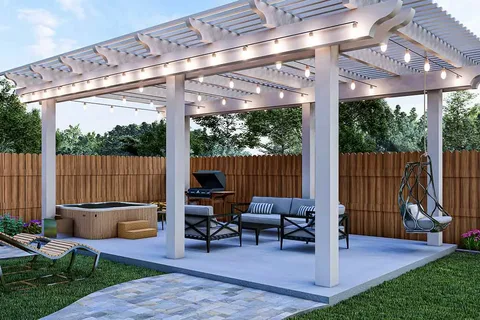
A comfortable outdoor space can make a home more enjoyable throughout the year. A backyard is not just an area for lawns and gardens. With thoughtful planning, it can become a place for relaxing, dining, entertaining guests, and spending time with family. Pergolas and gazebos are two popular structures that can help create these inviting outdoor environments.
Both structures provide a defined area within a yard, but they offer different design features. A pergola typically has an open roof structure supported by posts, allowing light and air to pass through. A gazebo usually has a more complete roof that provides greater overhead coverage. The right option depends on the homeowner's preferences, available space, and intended use.
A well-designed structure can complement patios, outdoor kitchens, garden areas, and walkways. It can also add visual interest to a property and make an underused backyard more functional.
However, successful installation requires careful planning. Material selection, structural support, drainage, local building requirements, and the surrounding landscape should all be considered before construction begins.
This guide explains the differences between pergolas and gazebos, their benefits, design ideas, material options, and practical considerations for creating a comfortable outdoor living space.
1. Understanding Pergolas and Gazebos
Before choosing an outdoor structure, homeowners should understand how pergolas and gazebos differ.
Both can create attractive outdoor areas, but their designs and levels of weather protection are not the same.
What Is a Pergola?
A pergola is an outdoor structure generally made with vertical posts and an open or partially covered roof.
Its overhead beams may allow sunlight to pass through while creating a defined space for seating, dining, or relaxation.
Pergolas are available in different shapes and sizes. Some have traditional wooden beams, while others use modern metal or manufactured materials.
Depending on the design, additional features may include:
-
Retractable shade covers
-
Adjustable louvers
-
Climbing plants
-
Outdoor lighting
-
Privacy screens
-
Integrated seating areas
Pergolas are often selected by homeowners who want partial shade and an open outdoor atmosphere.
What Is a Gazebo?
A gazebo is generally a freestanding outdoor structure with a roof that provides more complete overhead coverage.
Many gazebos have an open-sided design, although some include screens, railings, or partially enclosed sections.
They can be used for outdoor dining, relaxation, reading, and social gatherings.
Gazebos are available in different shapes, including square, rectangular, and octagonal designs.
Which Structure Is Better?
Neither option is automatically better for every property.
A pergola may suit homeowners who prefer an open design with filtered sunlight. A gazebo may be more suitable when greater overhead protection is a priority.
The best choice depends on the available space, desired appearance, budget, and expected use.
2. Benefits of Adding a Pergola or Gazebo
A pergola or gazebo can improve the way homeowners use their outdoor spaces. These structures offer both practical and visual benefits.
Creating a Defined Outdoor Area
Large backyards sometimes lack clear sections for different activities.
A pergola or gazebo can establish a dedicated area for dining, seating, or relaxation. This helps organize the property and makes the landscape feel more complete.
Providing Shade and Comfort
Direct sunlight can make outdoor seating areas uncomfortable, particularly during warmer months.
A pergola can provide partial shade, while a gazebo's roof generally offers more complete overhead coverage.
Additional shade features may improve comfort depending on the design.
Supporting Family Gatherings
An outdoor structure can create a natural gathering point for family members and guests.
It may be used for casual meals, weekend conversations, birthday celebrations, or quiet evenings outside.
Improving Landscape Appearance
Pergolas and gazebos can become focal points within a backyard.
Their materials, shape, and finish can complement the home's exterior and surrounding landscape.
Making Underused Areas More Functional
A corner of the yard that receives little attention may become a useful seating or entertainment area with the addition of a suitable structure.
Thoughtful placement can help homeowners make better use of existing outdoor space.
3. Popular Pergola Design Ideas
Pergolas are available in many styles, making it possible to coordinate them with different homes and landscapes.
The design should balance appearance, shade, structural requirements, and intended use.
Traditional Wooden Pergolas
Wooden pergolas offer a natural appearance that can complement gardens, patios, and traditional homes.
They can be stained or finished in different colors to coordinate with nearby outdoor features.
Homeowners should consider the wood type, weather exposure, protective treatments, and expected maintenance before selecting this option.
Modern Metal Pergolas
Metal pergolas can create a clean, contemporary appearance.
Depending on the product, they may be available in different finishes and structural designs.
The material should be suitable for outdoor exposure, and installation should follow the manufacturer's specifications.
Adjustable Louvered Pergolas
Some modern pergolas include adjustable roof louvers.
These systems allow users to change the amount of sunlight entering the space. Certain designs may also include integrated lighting or other optional features.
Homeowners should review the system's operation, weather limitations, maintenance requirements, and installation needs before choosing one.
Pergolas With Climbing Plants
Climbing plants can soften the appearance of a pergola and help it blend into the landscape.
Suitable vines may be trained along selected beams and supports.
Plant selection should consider sunlight, water requirements, growth habits, and the structure's ability to support the mature plant.
Pergolas With Outdoor Seating
A pergola can be designed around a seating arrangement.
Outdoor sofas, chairs, or dining furniture can be positioned underneath the structure to create a comfortable gathering space.
The layout should leave enough room for people to move safely and comfortably.
4. Popular Gazebo Design Ideas
Gazebos can provide a more enclosed feeling and greater overhead coverage than many open pergola designs.
Their appearance and layout can be adapted to different property sizes and uses.
Classic Garden Gazebos
A traditional gazebo can become a decorative feature within a garden.
It may be placed near planting beds, pathways, or a lawn area to create a peaceful outdoor seating location.
The design should complement the property's existing architecture and landscape.
Modern Gazebos
Modern gazebos often use simple shapes, clean lines, and contemporary materials.
They may include metal framing, modern roofing, and minimal decorative details.
This style can work well with homes that have a contemporary exterior.
Gazebos With Outdoor Dining
A gazebo can provide a comfortable setting for outdoor meals.
A dining table and chairs can be arranged underneath the roof, creating a dedicated space for family dinners and entertaining guests.
The structure should have enough room for chairs to move and people to walk around the table.
Screened Gazebos
Some gazebos include screens that help separate the seating area from the surrounding environment.
Depending on the product, screens may help reduce exposure to insects and create a more enclosed outdoor setting.
Homeowners should consider ventilation and maintenance when selecting this type of design.
5. Choosing the Right Materials for Pergolas and Gazebos
Material selection influences the structure's appearance, durability, maintenance needs, and overall cost.
The best material depends on the design, environmental exposure, and homeowner preferences.
Wood
Wood is often chosen for its natural appearance and design flexibility.
It can suit traditional and contemporary outdoor spaces depending on the finish and construction style.
However, wood may require periodic cleaning, sealing, staining, or painting. Exposure to sunlight and moisture can affect its condition over time.
Aluminum
Aluminum is commonly used in modern outdoor shade structures.
It is relatively lightweight and can be available with protective finishes designed for outdoor use.
Homeowners should review the product specifications, finish quality, structural capacity, and installation requirements.
Steel
Steel may be used where a strong structural framework is required.
Its suitability depends on the product, protective coating, design, and environmental conditions.
Appropriate protection and maintenance are important to help manage corrosion.
Vinyl and Manufactured Materials
Some outdoor structures use vinyl or other manufactured materials.
These options may provide different appearances and maintenance characteristics.
Homeowners should check whether the material is designed for outdoor exposure and suitable for the intended structure.
Roofing Materials
Gazebos and covered pergolas may use different roofing systems.
Options can include manufactured roofing panels, shingles, or other products designed for outdoor structures.
The selected roof should account for water runoff, wind exposure, structural support, and local requirements.
6. Choosing the Right Location in Your Backyard
The placement of a pergola or gazebo affects its comfort, appearance, and usefulness.
Before installation, homeowners should consider how sunlight, wind, access, and existing landscape features influence the proposed location.
Consider Sunlight Exposure
Observe how sunlight moves across the backyard during the day.
A structure placed in an area with strong afternoon sunlight may benefit from additional shade features.
The ideal location depends on when the space will be used and how much natural light the homeowner prefers.
Review Wind Conditions
Wind can affect outdoor comfort and structural performance.
The structure's design and installation should account for local wind exposure and the manufacturer's requirements.
Maintain Convenient Access
A pergola or gazebo should be easy to reach from the house, patio, or other commonly used outdoor areas.
Pathways can help connect the structure with the rest of the property.
Consider Nearby Trees and Plants
Trees can provide natural shade, but branches and roots should be considered before installation.
Avoid placing structures where falling branches or excessive plant growth could create maintenance or safety concerns.
Check Underground Utilities
Before digging foundations or setting support posts, homeowners should identify underground utility lines.
Proper utility locating and site preparation help reduce the risk of accidental damage.
7. Integrating Pergolas and Gazebos With Patios
A pergola or gazebo can become more useful when it is planned alongside a patio.
The patio provides a practical surface for furniture and movement, while the overhead structure helps define the space.
Create a Dining Area
A pergola or gazebo can be positioned above or beside a patio dining section.
This creates a dedicated place for outdoor meals and gatherings.
The table size and seating arrangement should fit comfortably within the available space.
Design a Relaxation Area
A patio beneath a pergola can accommodate outdoor chairs, sofas, and small tables.
This creates a place where homeowners can relax without needing to leave the house.
Connect Different Outdoor Zones
A larger backyard may include a dining area, lounge section, garden, and lawn.
Pathways and coordinated patio materials can connect these areas and create a more organized design.
Select Complementary Materials
The patio and outdoor structure should work together visually.
For example, a natural wood pergola may complement stone paving, while a modern metal pergola may suit concrete or porcelain surfaces.
Homeowners planning a broader outdoor improvement project can explore professional landscaping services to consider how patios, structures, and planting areas can be coordinated.
8. Combining Pergolas and Gazebos With Outdoor Kitchens
Outdoor kitchens and shade structures can work together to create a complete entertainment area.
A pergola or gazebo may provide a defined space for dining or seating near the cooking area.
Create a Comfortable Dining Space
A covered dining area can provide a place for guests to enjoy meals after food is prepared outdoors.
The table should be positioned for convenient access without blocking the main cooking area.
Separate Cooking and Seating Zones
Cooking equipment produces heat and may generate smoke.
The layout should keep seating at an appropriate distance from grills and other appliances. Manufacturer clearances and ventilation requirements must be followed.
Plan for Lighting
Outdoor lighting can make the kitchen and seating area more useful after sunset.
Task lighting may be needed near cooking equipment, while softer lighting can be used around dining and relaxation areas.
All electrical work should use suitable outdoor-rated equipment and be completed according to applicable requirements.
Include Practical Storage
Outdoor storage can help keep cushions, accessories, and selected equipment organized.
Storage materials should be suitable for outdoor conditions and should not obstruct access or ventilation.
9. Landscaping Ideas Around Pergolas and Gazebos
Landscaping can make an outdoor structure feel like a natural part of the property.
The right combination of plants, pathways, lighting, and decorative features can improve the overall design.
Add Flowering Plants
Flowering plants can introduce color around a pergola or gazebo.
Choose varieties that suit the local climate, available sunlight, and watering requirements.
Use Shrubs for Natural Boundaries
Shrubs can help define the edges of an outdoor seating area.
They may also provide a softer transition between the structure and the rest of the yard.
Add Climbing Plants to Pergolas
Some climbing plants can grow along suitable pergola supports.
Their mature weight and growth pattern should be considered before planting. The structure must be capable of supporting the expected load.
Create Decorative Pathways
A walkway can connect the outdoor structure with the home, patio, garden, or driveway.
Stone, concrete, and suitable paver surfaces can help create a defined route.
Use Lighting to Highlight Landscape Features
Low-level landscape lighting can highlight plants, pathways, and selected architectural details.
It can also help make outdoor areas easier to navigate at night.
10. Shade, Rain Protection, and Weather Considerations
Outdoor structures should be selected according to the conditions they will experience.
A pergola may provide partial shade, while a gazebo with a suitable roof can provide more consistent overhead coverage.
Understand the Limits of Open-Roof Pergolas
Traditional pergolas allow sunlight and rain to pass through their open roof sections.
They may be suitable for filtered shade but do not provide complete weather protection.
Additional shade or roof systems may be considered when greater coverage is needed.
Consider Roof Drainage
Covered structures need suitable arrangements for rainwater runoff.
Roof slope, gutters, downspouts, and discharge locations should be considered as part of the design.
Water should not be directed toward the home's foundation or areas where it may create drainage problems.
Plan for Wind Exposure
The structure should be designed and anchored according to expected wind conditions and applicable building requirements.
Homeowners should avoid assuming that a lightweight structure is suitable for every location.
Protect Materials From Sunlight
Sun exposure can affect some finishes and materials over time.
Choose outdoor-rated products and follow manufacturer guidance for cleaning, sealing, and maintenance.
11. Understanding the Cost of Pergola and Gazebo Installation
The total cost of an outdoor structure depends on its size, materials, design complexity, foundation requirements, and additional features.
A simple pergola will generally involve different project requirements from a large covered gazebo with lighting and custom finishes.
Structure Size
Larger structures generally require more materials and construction work.
Measure the available space and determine how much room is needed for furniture and movement.
Material Selection
Wood, aluminum, steel, and manufactured materials have different purchase and installation costs.
Consider maintenance and expected service life when comparing options.
Design Complexity
Custom shapes, adjustable roofs, screens, decorative details, and integrated features can increase project costs.
Choose optional features based on how the space will actually be used.
Foundation and Site Preparation
Uneven ground, existing paving, slopes, and soil conditions may affect installation requirements.
The contractor should assess the site before preparing a final estimate.
Additional Features
Lighting, fans, privacy screens, electrical connections, and other additions may influence the overall budget.
It is useful to separate essential features from optional upgrades when planning the project.
12. Common Pergola and Gazebo Installation Mistakes
A beautiful design may not perform well if important construction details are overlooked.
Homeowners should understand common mistakes before starting a project.
Choosing the Wrong Structure for the Intended Use
A pergola with an open roof may not provide the weather protection expected by someone who wants a fully covered seating area.
Choose the structure according to the intended use.
Ignoring Structural Support
Posts, foundations, connections, and roof components must be suitable for the structure's design and expected loads.
Do not rely on appearance alone when evaluating structural quality.
Poor Placement
A structure placed in an inconvenient location may block pathways, interfere with existing features, or receive uncomfortable sunlight.
Review the complete backyard layout before selecting the final location.
Overlooking Drainage
Covered structures can change where rainwater flows.
Plan roof drainage and surrounding grading to prevent water accumulation.
Using Indoor Materials Outdoors
Indoor furniture, finishes, and electrical products may not be suitable for outdoor exposure.
Select products designed for their intended environment.
Forgetting About Maintenance
All outdoor structures need some level of care.
Understand the maintenance requirements of the selected materials before installation.
13. Maintaining Pergolas and Gazebos
Regular maintenance helps keep outdoor structures attractive and allows homeowners to identify problems early.
Maintenance requirements depend on the materials, roof design, and local conditions.
Inspect Structural Connections
Periodically check visible connections, fasteners, posts, and support components.
If movement, looseness, or damage is noticed, arrange a professional assessment.
Clean the Structure
Remove dirt, leaves, and other debris from surfaces and roof areas where accessible.
Use cleaning methods recommended by the material manufacturer.
Maintain Wooden Components
Wood may need periodic sealing, staining, or painting.
Inspect for surface deterioration and address damaged areas according to the product recommendations.
Check Roof and Drainage Features
For covered structures, inspect accessible gutters and drainage outlets.
Clear debris when it is safe to do so and check for signs of water damage.
Care for Plants
If climbing plants are part of the design, trim them as needed.
Keep growth under control so that plants do not interfere with roof components or place excessive weight on the structure.
14. Pergolas and Gazebos for California Properties
California homes have a wide range of outdoor layouts and environmental conditions.
Some properties have large backyards with space for complete entertainment areas, while others require compact structures that fit into smaller patios.
Design for Sunlight
In areas with strong sunlight, shade should be an important part of the design.
Pergolas with adjustable covers or gazebos with suitable roofing may help improve comfort.
Choose Suitable Outdoor Materials
Materials should be selected according to sunlight exposure, moisture, and maintenance expectations.
Follow manufacturer guidance to ensure the selected products are appropriate for the intended location.
Consider Water-Efficient Landscaping
Plants around the structure should suit local growing conditions.
Water-efficient planting can complement outdoor living areas while helping homeowners manage landscape maintenance.
Account for Seasonal Weather
Even areas with long dry periods can experience rain and wind.
The structure should be designed for local environmental conditions and applicable building requirements.
Coordinate With Existing Outdoor Features
A pergola or gazebo may be integrated with an existing patio, retaining wall, outdoor kitchen, or garden.
For homeowners exploring landscaping projects in nearby communities, useful local resources include landscaping services in Gilroy, CA, landscaping and construction services in San Jose, CA, and outdoor landscaping services in Saratoga, CA.
15. How to Choose the Right Pergola or Gazebo Contractor
Choosing a qualified contractor can help homeowners move from an initial idea to a practical outdoor structure.
Before approving a project, review the contractor's experience, construction approach, materials, and project scope.
Review Similar Projects
Ask whether the contractor has experience with pergolas, gazebos, patio structures, or related outdoor construction.
Examples of previous work can help homeowners understand the available design options.
Discuss Your Intended Use
Explain whether the structure will be used for dining, relaxation, entertaining, or shade.
The contractor can then help determine which design may be suitable.
Ask About Materials and Maintenance
Discuss the available materials, finishes, roof options, and maintenance requirements.
A suitable product should match both the design preferences and environmental conditions.
Confirm Structural and Permit Requirements
Some structures may require permits, engineering, or other approvals depending on their size, location, and construction details.
Clarify which requirements apply before work begins.
Request a Detailed Estimate
A written estimate should explain the structure, materials, foundation, site preparation, installation work, and additional features.
Review the full scope before comparing prices.
16. Frequently Asked Questions About Pergolas and Gazebos
1. What Is the Main Difference Between a Pergola and a Gazebo?
A pergola usually has an open or partially covered roof that provides filtered shade. A gazebo generally has a more complete roof that provides greater overhead coverage. The right option depends on the desired level of shade and the intended use.
2. Which Structure Provides More Shade?
A gazebo with a suitable solid roof generally provides more consistent overhead shade than a traditional open-roof pergola. Some pergolas can include adjustable louvers or additional shade covers.
3. Can a Pergola Be Added to an Existing Patio?
Yes. A pergola can often be installed over or beside an existing patio, depending on the surface, foundation, structural requirements, and available space. The site should be assessed before installation.
4. What Materials Are Best for Outdoor Pergolas?
Wood, aluminum, and steel are common options. The best material depends on the desired appearance, structural requirements, environmental exposure, maintenance expectations, and budget.
5. Can a Gazebo Include Outdoor Seating?
Yes. A gazebo can be designed with space for chairs, sofas, or a dining table. The layout should allow comfortable movement and suitable access.
6. Do Pergolas and Gazebos Require Permits?
Permit requirements depend on local rules, structure size, height, location, and construction details. Homeowners should confirm applicable requirements before beginning the project.
7. Can Climbing Plants Grow on a Pergola?
Yes. Suitable climbing plants can be trained along pergola supports. However, the structure should be capable of supporting the mature plant's weight, and regular trimming may be needed.
8. How Do I Maintain an Outdoor Pergola or Gazebo?
Maintenance may include cleaning surfaces, checking connections, inspecting roof components, maintaining protective finishes, and clearing drainage features. Follow the manufacturer's instructions for the selected materials.
Conclusion
Pergolas and gazebos can make residential outdoor spaces more comfortable, attractive, and functional. They create defined areas for dining, relaxation, and entertaining while adding architectural interest to the backyard.
The best structure depends on the homeowner's needs. Pergolas may suit people who prefer an open design with filtered shade, while gazebos may be more appropriate when greater overhead coverage is desired.
Careful planning is essential. Material selection, location, structural support, drainage, lighting, and local construction requirements should all be considered before installation.
When a pergola or gazebo is coordinated with patios, outdoor kitchens, walkways, and landscaping, it can become a natural extension of the home. Working with qualified professionals can help homeowners develop a design that fits their property and supports long-term outdoor enjoyment.

 English
 Arabic
 French
 Spanish
 Portuguese
 Deutsch
 Turkish
 Dutch
 Italiano
 Romaian
 Portuguese (Brazil)
 Greek