


Professional Carpet Cleaning in Wolverhampton: Restore Freshness, Comfort & Cleanliness to Your Home
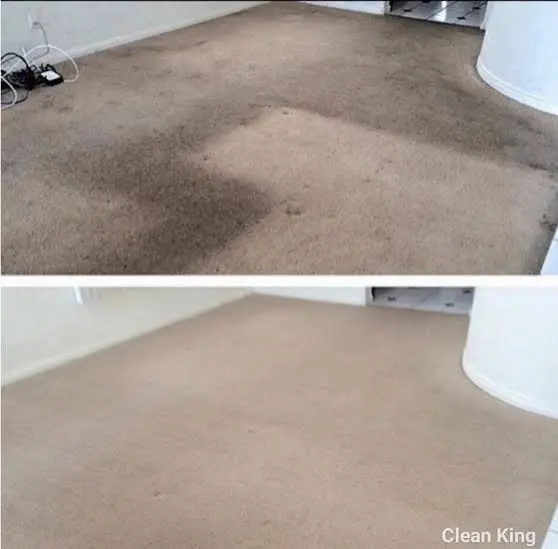
Carpets make a home feel warmer, softer, and more comfortable, but they also collect dirt from everyday activities. Dust, food crumbs, pet hair, muddy footprints, and airborne particles gradually settle between carpet fibers. Even when a carpet looks reasonably clean, hidden debris can affect its appearance, texture, and freshness. Understanding the right approach to carpet cleaning Wolverhampton helps homeowners choose suitable care methods and deal with buildup before it becomes difficult to remove.
Regular vacuuming is essential, but it cannot always reach deeply embedded soil or remove stubborn stains. Over time, heavily used areas can become darker and flattened, while lingering spills may create unpleasant odors. A thoughtful cleaning routine helps maintain the carpet's appearance, supports a cleaner indoor environment, and protects an important household investment.
Why Professional Carpet Cleaning Matters
Carpet fibers trap particles that enter the home on shoes, clothing, and pets. These particles accumulate in hallways, living rooms, bedrooms, and other frequently used spaces. Without consistent maintenance, dirt can become embedded and contribute to visible wear.
Professional carpet cleaners in Wolverhampton can assess the carpet's material, condition, and level of soiling before selecting an appropriate cleaning method. This assessment matters because different fibers respond differently to moisture, temperature, and cleaning solutions.
For example, a synthetic carpet in a busy family room may tolerate a cleaning process that would be unsuitable for delicate wool fibers. Similarly, a hallway with heavy foot traffic may need more attention than a bedroom that receives occasional use.
Deep cleaning can also help address residue left behind by spills and previous cleaning attempts. When sticky substances remain in the fibers, they can attract additional dirt, causing a spot to become visible again. Removing the residue properly is often more effective than repeatedly treating the surface.
A Step-by-Step Strategy for Cleaner Carpets
A successful carpet cleaning routine involves preparation, suitable stain treatment, an appropriate cleaning method, and careful drying. Following these stages helps avoid unnecessary damage and improves the final result.
Step 1: Identify the Carpet Material
Before using any cleaning product, determine what type of carpet you have. Common materials include nylon, polyester, wool, and polypropylene. Each has different characteristics and care requirements.
Wool, for instance, is a natural fiber that can be sensitive to excessive moisture, high temperatures, and unsuitable chemicals. Synthetic carpets may be more resistant to certain types of cleaning, but they still require compatible products.
Check the manufacturer's care instructions whenever possible. If the material is unknown, test products in a hidden area or ask a qualified cleaner to assess it before proceeding.
Step 2: Vacuum Thoroughly
Vacuuming removes loose dirt before deeper cleaning begins. Move furniture where practical and pay attention to edges, corners, and spaces beneath tables.
In busy areas, vacuuming in multiple directions can help lift particles that are not easily removed with a single pass. Use an appropriate vacuum setting for the carpet pile so the machine cleans effectively without pulling at the fibers.
Households with pets or children may benefit from more frequent vacuuming because hair, crumbs, and outdoor debris can accumulate quickly.
Step 3: Treat Stains According to Their Type
Different spills need different treatment. Coffee, grease, mud, and food stains should not all be approached with the same product.
For a fresh liquid spill, gently blot the area with a clean white cloth. Avoid rubbing because friction can spread the stain and push it deeper into the carpet. Work from the outer edge toward the center to keep the affected area contained.
Allow mud to dry before carefully removing loose material, rather than spreading wet soil across the fibers. For oily stains, use a product specifically labeled as suitable for the carpet material.
Always follow product directions and test a small, hidden section first. Some stains may require professional treatment, especially if they have been present for a long time.
Step 4: Select the Right Deep-Cleaning Method
Carpet cleaning services in Wolverhampton may use different techniques depending on the carpet and the type of contamination.
Hot-water extraction uses a cleaning solution to loosen soil before extracting it along with moisture. It can be effective on many suitable carpets when performed with appropriate equipment and settings.
Low-moisture cleaning uses less water and may be useful when a carpet needs a shorter drying period or when the material requires a more controlled approach.
Dry compound methods are another option for certain carpet types and cleaning requirements. The most suitable technique depends on the manufacturer's guidance, fiber construction, and carpet condition. A reliable provider should explain why a particular method is appropriate.
Step 5: Allow Enough Drying Time
After cleaning, proper drying helps prevent musty odors and moisture-related problems. Improve ventilation by opening windows when conditions allow, and use fans to encourage air circulation.
Avoid placing furniture directly onto damp carpet unless suitable protective measures are used. Follow the cleaner's instructions about when the room can be used normally.
Common Carpet Cleaning Mistakes and Challenges
A few common mistakes can make carpets harder to maintain.
Using too much cleaning solution: Excess product can leave a sticky residue that attracts fresh dirt. Always follow the recommended dilution and application instructions.
Over-wetting the carpet: Excessive moisture can reach the backing or underlay, where drying takes longer. Controlled application and proper extraction are important.
Scrubbing aggressively: Hard scrubbing can damage carpet fibers, spread stains, and change the texture of the affected area. Gentle blotting is generally safer.
Ignoring recurring spots: A stain that returns after cleaning may have left residue deeper in the carpet. Repeatedly treating the surface without addressing the cause may not solve the problem.
Delaying stain treatment: The longer some spills remain, the more difficult they may become to remove. Prompt action improves the chances of successful treatment.
Another challenge is dealing with old carpets that have experienced years of foot traffic. Cleaning can remove accumulated soil, but it cannot always reverse permanent fading, fiber damage, or flattened pile. Realistic expectations help homeowners understand what cleaning can achieve.
Expert Tips for Keeping Carpets Fresh Longer
Consistent maintenance reduces the need for frequent intensive cleaning and helps protect carpet fibers.
-
Use entrance mats: Place mats near exterior doors to catch dirt before it reaches carpeted rooms.
-
Remove shoes indoors: This simple habit limits the amount of outdoor soil transferred onto flooring.
-
Vacuum high-traffic areas frequently: Hallways and living spaces usually need more attention than rarely used rooms.
-
Respond to spills quickly: Keep clean white cloths available for blotting accidental spills.
-
Move furniture occasionally: Changing furniture positions can distribute wear and reduce the appearance of permanent traffic paths.
-
Follow a practical cleaning schedule: Cleaning frequency should reflect household activity, pets, children, and carpet condition.
When comparing cleaning providers, ask about their experience with your carpet material, the products they use, and their drying process. A professional should inspect the carpet, explain any limitations, and provide clear preparation instructions.
It can also be useful to compare the fabric-care knowledge of local Birmingham carpet cleaners when researching broader cleaning practices. However, the right choice should always depend on experience with the specific carpet type and cleaning requirements in your home.
Conclusion
Clean carpets contribute to a more comfortable and welcoming home. Regular vacuuming, prompt stain treatment, suitable deep-cleaning methods, and proper drying all help preserve their appearance and condition. By understanding carpet materials and avoiding common cleaning mistakes, homeowners can manage everyday dirt more effectively. When deeper treatment is needed, a carefully selected professional cleaning approach can restore freshness and help extend the useful life of household flooring.

 English
 Arabic
 French
 Spanish
 Portuguese
 Deutsch
 Dutch
 Italiano
 Russian
 Romaian
 Portuguese (Brazil)
 Greek