


What Is Stem Cell Therapy for Hair and How Does It Work?
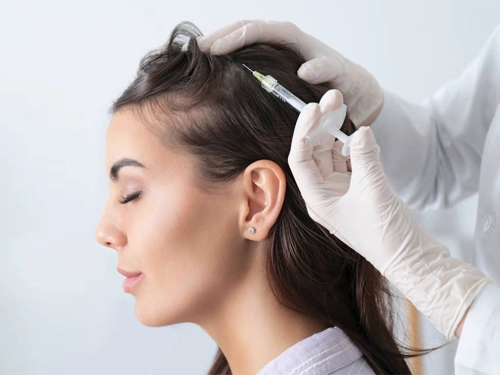
Hair thinning and hair loss can gradually affect an individual's appearance and confidence. Whether caused by genetics, hormonal changes, ageing, or other factors, reduced hair density can make people explore advanced hair restoration options. Modern regenerative approaches have introduced new possibilities for individuals seeking to improve hair quality and support natural hair growth. Among these emerging options, Stem Cell Therapy for Hair in Dubai has attracted attention for its potential to support hair follicle activity and improve scalp health. Understanding how this treatment works, its potential benefits, and what to expect can help individuals make informed decisions about their hair restoration journey.
What Is Stem Cell Therapy for Hair?
Stem cell therapy for hair is an emerging regenerative approach that aims to support hair growth by using the biological properties of stem cells or stem-cell-derived components. Stem cells are specialised cells with the ability to develop into different cell types and release signalling molecules that influence tissue repair and cellular activity.
In hair restoration, researchers are exploring how these cells and their secreted substances may influence the hair follicles responsible for producing hair strands. The primary objective is to create a healthier environment around existing follicles, potentially supporting their activity and improving hair density.
Unlike conventional hair restoration methods that focus on managing hair loss through medication or surgical transplantation, regenerative approaches investigate the possibility of improving the biological processes involved in hair growth.
However, it is important to understand that stem cell-based hair restoration remains an evolving area of research. Its effectiveness, techniques, and long-term outcomes depend on the specific approach used.
How Does Stem Cell Therapy for Hair Work?
The treatment focuses on the relationship between stem cells, scalp tissues, and hair follicles. Hair follicles naturally pass through different growth stages, and their activity can be influenced by genetics, hormones, ageing, and environmental factors.
Stem cell-based approaches aim to support the biological environment surrounding these follicles.
Supporting Hair Follicle Activity
Hair follicles contain specialised cells responsible for producing and maintaining hair strands. When these structures become less active, hair may gradually become thinner or stop growing.
Regenerative treatments investigate whether stem-cell-derived signals can encourage cellular activity around existing follicles. This may help support the natural hair growth environment.
Releasing Growth-Related Signalling Molecules
Stem cells can release various signalling molecules, including growth factors and proteins involved in cellular communication.
These substances may influence processes such as tissue repair, inflammation regulation, and cellular activity. Researchers are studying whether these biological signals can help support scalp health and follicle function.
Improving the Scalp Environment
Healthy scalp tissue plays an important role in maintaining normal hair growth. Certain regenerative approaches aim to support the surrounding tissue environment and promote biological conditions that may benefit existing follicles.
The goal is not simply to increase the number of hair strands but to investigate ways of supporting the structures responsible for natural hair production.
What Are the Potential Benefits of Stem Cell Hair Restoration?
Regenerative hair treatments have attracted interest because they explore biological processes rather than focusing exclusively on conventional hair loss management.
Potential benefits being investigated include:
Supporting Natural Hair Growth
Stem-cell-derived biological signals may help support the activity of existing hair follicles. This could potentially contribute to healthier hair growth in suitable individuals.
Improving Hair Thickness
Some regenerative approaches are being investigated for their ability to improve the appearance of thinning hair. Supporting follicular activity may potentially contribute to better hair thickness over time.
Supporting Scalp Tissue Health
The biological properties of stem cells may influence tissue repair and cellular communication. These characteristics make regenerative approaches an interesting area of research for scalp health.
Exploring Non-Surgical Options
Certain stem-cell-based approaches are designed to be minimally invasive and do not involve traditional hair transplantation surgery. However, the procedure and recovery requirements depend on the specific technique.
A Regenerative Approach to Hair Concerns
Rather than physically relocating hair follicles, regenerative treatments aim to investigate how biological processes can support existing follicular structures.
It is important to note that these benefits are potential areas of investigation rather than guaranteed clinical outcomes. Evidence for stem cell-based hair restoration is still developing.
Who May Be Suitable for Stem Cell Hair Treatment?
Suitability depends on the individual's hair loss pattern, scalp condition, medical history, and the specific regenerative technique being considered.
Some individuals who may explore this approach include:
-
People experiencing early-stage hair thinning.
-
Individuals noticing reduced hair density.
-
Those interested in regenerative hair restoration approaches.
-
People experiencing changes in hair thickness.
-
Individuals seeking alternatives to conventional hair restoration procedures.
However, not everyone experiencing hair loss is an appropriate candidate. Individuals with completely inactive or severely damaged follicles may have different treatment requirements.
A professional scalp assessment is important to identify the underlying cause of hair loss and determine whether a regenerative approach is appropriate.
What Happens During the Treatment Process?
The treatment process varies depending on the technology and biological material used. However, a typical treatment journey may involve several stages.
Initial Hair and Scalp Assessment
The process generally begins with an examination of the scalp and hair condition. The assessment helps identify thinning patterns, follicular health, and possible contributing factors.
The individual's expectations and treatment goals are also considered.
Preparing the Treatment Area
Depending on the procedure, the scalp may be cleansed and prepared before treatment. Certain techniques may involve topical preparation to improve comfort.
Applying the Regenerative Treatment
The specific application method depends on the treatment protocol. Some approaches involve delivering prepared biological material into targeted scalp areas using specialised techniques.
The objective is to introduce regenerative components into the treatment area so they can interact with the surrounding tissue.
Monitoring Hair Changes
Hair restoration is a gradual process rather than an immediate transformation. Follow-up assessments may help evaluate changes in hair thickness, density, and scalp condition.
The recommended treatment schedule depends on the individual's needs and the specific procedure.
How Long Does It Take to Notice Results?
Hair growth follows a natural biological cycle, which means visible changes generally require time. Unlike cosmetic treatments that produce immediate changes in appearance, regenerative hair procedures aim to influence biological activity over a longer period.
Any improvement may depend on several factors, including:
-
The underlying cause of hair loss.
-
The condition of existing hair follicles.
-
The individual's general health.
-
The specific regenerative technique.
-
The treatment protocol and follow-up schedule.
Some individuals may notice changes in hair quality before observing differences in overall density. Others may experience limited improvement.
There is currently no universally established timeline or guarantee of results for stem cell-based hair restoration.
Is Stem Cell Therapy for Hair Safe?
Safety is an important consideration when exploring any regenerative treatment. The risks depend on the source of the biological material, preparation methods, application technique, and regulatory status of the procedure.
Potential concerns may include temporary redness, swelling, tenderness, irritation, or infection associated with an injection-based procedure.
More importantly, not all treatments marketed as stem cell therapy use the same biological materials or have the same level of scientific evidence.
Individuals should understand exactly what a proposed treatment involves, whether the biological material is appropriately sourced and processed, and what evidence supports its use.
Choosing an appropriately qualified medical provider and receiving a thorough assessment can help individuals make informed decisions.
How Is Stem Cell Therapy Different From Other Hair Restoration Treatments?
Different hair restoration approaches work through different mechanisms. Understanding these differences helps individuals explore suitable options.
Stem Cell-Based Treatments
These approaches investigate how stem cells or their secreted biological components may support follicular activity and scalp tissue health.
Platelet-Rich Plasma (PRP)
PRP uses a concentrated preparation of platelets obtained from the individual's blood. It contains growth factors that may influence tissue repair and follicular activity.
Hair Transplantation
Hair transplantation is a surgical procedure that relocates hair follicles from one area of the scalp to another. It is generally considered when suitable donor hair is available.
Medical Hair Loss Treatments
Certain medications are used to manage specific types of hair loss by influencing hormonal pathways or supporting hair growth cycles.
Each approach has different indications, limitations, and evidence supporting its use. A personalised assessment helps determine which options may be appropriate.
Frequently Asked Questions
Can Stem Cell Therapy Bring Back Lost Hair?
Stem-cell-based treatments are being investigated for their potential to support existing hair follicles. However, they cannot guarantee the regrowth of hair in completely bald areas or restore permanently inactive follicles.
Is the Treatment Suitable for Men and Women?
Both men and women experiencing certain types of hair thinning may explore regenerative hair restoration. Suitability depends on the underlying cause of hair loss and individual scalp conditions.
Does Stem Cell Hair Treatment Require Surgery?
Some regenerative approaches are minimally invasive and do not involve traditional hair transplantation surgery. However, the exact procedure depends on the technique and treatment protocol.
Can Stem Cell Therapy Be Combined With Other Hair Treatments?
In some cases, regenerative approaches may be considered alongside other hair restoration methods. However, combining treatments should only be considered after an appropriate medical assessment.
Are the Results Permanent?
Long-term outcomes are not yet sufficiently established for stem cell-based hair restoration. Hair loss may continue because of genetics, hormonal influences, ageing, or other underlying factors.
Is Every Stem Cell Hair Treatment the Same?
No. Different procedures may use different cell sources, biological preparations, and application techniques. Understanding these differences is essential before choosing a treatment.
What Should Individuals Consider Before Treatment?
Individuals should consider the scientific evidence, treatment method, potential risks, regulatory status, expected outcomes, and qualifications of the medical provider before proceeding.
Can Early Hair Thinning Be Addressed With Regenerative Treatments?
Early hair thinning may be explored through different hair restoration approaches. However, identifying the underlying cause is essential because some types of hair loss respond better to conventional medical treatments.
Book Us
Understanding the available hair restoration options is an important step towards making confident decisions about scalp health and hair growth. Enfield Royal Clinic Dubai offers aesthetic and hair restoration services designed around individual concerns and treatment goals. Individuals interested in Stem Cell Therapy for Hair can explore suitable treatment options through a professional consultation and personalised assessment. Take the next step towards understanding your hair restoration possibilities and discovering an approach that aligns with your needs.

 English
 Arabic
 French
 Spanish
 Portuguese
 Turkish
 Dutch
 Italiano
 Russian
 Romaian
 Portuguese (Brazil)
 Greek