


How Best Doctors in dubai Explain the Difference Between
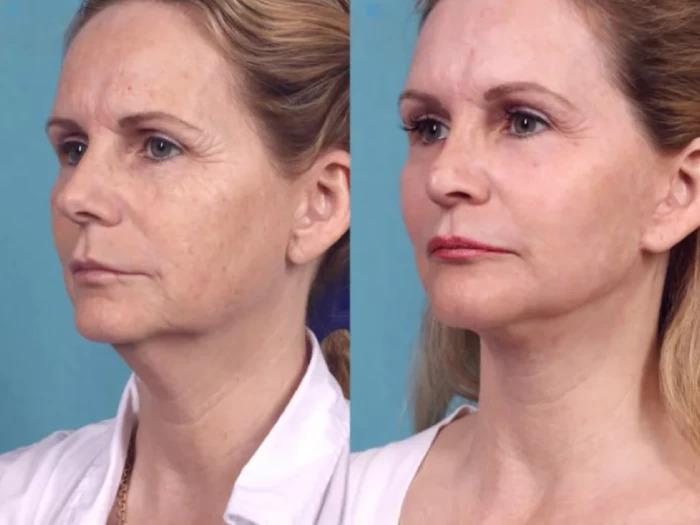
1. Understanding Best chemical peel treatment Doctors in dubai and Its Main Purpose
Best chemical peel treatment Doctors in dubai is a popular skincare option for people who want to improve their skin texture and overall appearance.
A chemical peel uses specially formulated ingredients to remove dead skin cells from the surface of the skin. This process supports natural skin renewal and may help improve several common concerns.
Some potential benefits include:
-
Improving dull and tired-looking skin.
-
Reducing the appearance of mild pigmentation.
-
Smoothing uneven skin texture.
-
Improving the appearance of mild acne marks.
-
Softening the appearance of fine lines.
-
Supporting a brighter-looking complexion.
Chemical peels can be performed professionally or used at home through specially formulated skincare products.
However, both options are not equally strong. Professional treatments generally use more concentrated formulations and require a proper assessment, while at-home products are usually designed for regular personal skincare use.
2. Best Doctors in Dubai: Understanding Professional Chemical Peels
When discussing Best Doctors in Dubai, one important topic is understanding how professional chemical peels differ from everyday exfoliating products.
Professional chemical peels are treatments performed by appropriately qualified skincare professionals in a suitable clinical setting.
These treatments use selected chemical solutions to exfoliate the skin at different depths, depending on the formulation and treatment goals.
Professional chemical peels may include:
Superficial Peels: These affect the outermost skin layer and may help improve mild pigmentation, dullness, and uneven texture.
Medium Peels: These penetrate deeper into the skin and may help address more noticeable sun damage, pigmentation, and certain fine lines.
Deep Peels: These affect deeper skin layers and involve greater recovery time and potential risks. They require careful medical assessment.
The main advantage of professional treatment is that the peel can be selected according to individual skin conditions and treatment requirements.
Professional treatments are not automatically suitable for everyone, and stronger peels carry greater risks.
3. What Are At-Home Chemical Peels and How Do They Work?
At-home chemical peels are skincare products designed for personal use. They are generally formulated with lower concentrations of exfoliating ingredients than stronger professional peels.
These products are available in different forms, including:
-
Exfoliating serums.
-
Chemical exfoliating solutions.
-
Peeling gels.
-
Facial exfoliating masks.
-
Leave-on skincare products.
Common ingredients include alpha hydroxy acids (AHAs), beta hydroxy acids (BHAs), and certain polyhydroxy acids (PHAs).
AHAs: Ingredients such as glycolic acid and lactic acid help exfoliate the skin's surface and may improve dullness and uneven texture.
BHAs: Salicylic acid is an oil-soluble exfoliating ingredient that can help improve the appearance of clogged pores and oily skin.
PHAs: These are generally considered gentler exfoliating ingredients and may be suitable for some people who prefer a milder skincare approach.
At-home products are usually designed to provide gradual exfoliation rather than the deeper effects of certain professional treatments.
4. Chemical Peel in Dubai: Comparing Professional and At-Home Treatments
Chemical Peel in Dubai is a skincare topic that includes both professional procedures and home-based exfoliating products.
Although both options work by removing dead skin cells, several differences make them suitable for different purposes.
| Feature | Professional Chemical Peels | At-Home Chemical Peels |
|---|---|---|
| Strength | May use stronger formulations | Generally lower-strength formulations |
| Application | Performed by qualified professionals | Applied personally |
| Skin assessment | Individual assessment is important | Users must check product suitability |
| Results | May provide more noticeable improvements | Usually gradual and surface-level |
| Recovery | Depends on peel depth | Usually minimal with suitable products |
| Risk | Can involve more significant side effects | Can still cause irritation or burns |
| Frequency | Depends on treatment type | Depends on product instructions |
The right choice depends on skin condition, personal goals, and the type of concern being addressed.
A professional peel may be considered for certain more noticeable skin concerns, while a suitable at-home exfoliating product may help maintain a regular skincare routine.
5. Differences in Ingredients and Chemical Concentrations
One of the biggest differences between professional and at-home chemical peels is the formulation and concentration of active ingredients.
Professional treatments may use stronger chemical solutions that penetrate the skin more deeply. The exact concentration and pH influence how the product works.
At-home products generally contain formulations intended for regular personal use.
For example, glycolic acid is used in both professional treatments and home skincare products. However, its concentration, pH, formulation, and application method can be very different.
Using a stronger product does not always mean achieving better skin results.
An unsuitable concentration can cause excessive dryness, redness, irritation, chemical burns, and pigmentation changes.
It is important to follow product instructions and avoid experimenting with concentrated peeling solutions at home.
6. Which Option Is Better for Different Skin Types?
Skin type is an important factor when choosing between professional and at-home chemical peels.
Different skin types respond differently to exfoliating ingredients.
Oily Skin: People with oily skin may benefit from suitable salicylic acid products because they can help improve the appearance of clogged pores.
Dry Skin: Dry skin may respond better to gentle exfoliating ingredients, such as lactic acid, when used appropriately with moisturising products.
Combination Skin: People with combination skin may need different skincare approaches for oily and dry areas.
Sensitive Skin: Sensitive skin requires extra care because exfoliating acids can cause redness, burning, and irritation.
Pigmentation-Prone Skin: People with a history of dark marks should be particularly careful because irritation from chemical exfoliation can trigger post-inflammatory hyperpigmentation.
Professional assessment may be helpful when skin concerns are complicated or when previous exfoliating products have caused reactions.
7. Celebrity Clinics in Dubai: Understanding Professional Skincare Trends
Celebrity Clinics in Dubai is a keyword often associated with modern beauty and skincare trends.
Professional chemical peels are frequently discussed in aesthetic skincare because they can address several common concerns, including pigmentation, dullness, acne marks, and uneven texture.
Modern skincare focuses on improving overall skin quality rather than simply creating temporary brightness.
Professional chemical peels are one option within this wider approach. They can be selected according to the skin's condition and the depth of exfoliation required.
However, popular beauty treatments should not automatically influence personal skincare decisions.
A treatment that suits one person may not be appropriate for another. Understanding skin sensitivity, possible side effects, and recovery requirements is more important than following trends.
8. Celebrity Doctors In Dubai: Why Professional Skin Assessment Is Important
The phrase Celebrity Doctors In Dubai is often connected with discussions about beauty and aesthetic skincare.
An important part of professional chemical peeling is understanding the skin before choosing a treatment.
A proper assessment considers several factors, including:
-
Skin type and sensitivity.
-
Existing pigmentation.
-
Acne history.
-
Previous cosmetic treatments.
-
Current skincare products.
-
Medication history.
-
Allergies and existing skin conditions.
This information helps determine whether professional peeling is appropriate and which treatment strength may be suitable.
For example, people with active eczema, skin infections, open wounds, or recent sunburn may need to postpone treatment.
Individuals with darker skin tones or previous pigmentation problems may also require special precautions.
Professional assessment helps reduce avoidable risks and supports more informed treatment decisions.
9. Dr. perfect celebrity: Understanding Realistic Results from Chemical Peels
Dr. perfect celebrity is a keyword associated with beauty and aesthetic skincare discussions. However, achieving healthy-looking skin is not about expecting unrealistic perfection.
Professional and at-home chemical peels can both improve certain skin concerns, but their results are different.
At-home products generally provide gradual surface exfoliation. They may help improve dullness, mild roughness, and the appearance of uneven texture.
Professional peels may provide more noticeable improvements depending on their depth and formulation.
However, neither option guarantees completely flawless skin.
Results can vary according to:
-
Individual skin type.
-
Existing skin concerns.
-
Product ingredients.
-
Treatment strength.
-
Frequency of use.
-
Sun protection.
-
Skincare aftercare.
Understanding these differences helps individuals choose treatments based on realistic expectations.
10. Perfect Doctors Clinic: Understanding the Importance of Safe Skincare Choices
Perfect Doctors Clinic is another keyword connected with skincare and chemical peel treatment discussions.
Whether someone chooses professional treatment or at-home exfoliation, safety should remain a priority.
Incorrect use of chemical exfoliating products can damage the skin barrier and create unnecessary irritation.
Some important safety practices include:
-
Read product instructions carefully.
-
Avoid combining several strong exfoliating products.
-
Do not apply chemical peels to broken or irritated skin.
-
Avoid using products more frequently than recommended.
-
Protect the skin from sunlight.
-
Stop using a product if severe irritation develops.
-
Keep the skin moisturised.
At-home chemical peels should never be confused with professional-strength treatments. Strong professional peeling solutions should not be used independently without appropriate training and assessment.
11. What Are the Possible Side Effects of Professional and At-Home Peels?
Both professional and at-home chemical peels can cause side effects, although the type and severity may differ.
Common reactions include:
Redness: Temporary redness can occur after exfoliation, especially with stronger formulations.
Dryness: Removing dead skin cells can temporarily affect skin hydration.
Peeling: Some treatments cause visible flaking as the skin renews itself.
Burning or Stinging: Certain ingredients may create temporary discomfort or irritation.
Pigmentation Changes: Excessive irritation and sun exposure can increase the risk of dark or light marks.
Professional medium and deep peels can involve additional risks, including infection, scarring, and prolonged changes in skin colour.
At-home products can also cause chemical burns or serious irritation when used incorrectly.
Understanding these possible reactions is important before choosing either option.
12. How Important Is Aftercare for Both Types of Chemical Peels?
Aftercare is essential for maintaining skin comfort and supporting recovery.
Following a chemical peel, the skin may become more sensitive and require a gentle skincare routine.
Important aftercare practices include:
Gentle Cleansing: Use a mild cleanser and avoid harsh scrubbing.
Moisturising: Apply a suitable moisturiser to maintain hydration and support the skin barrier.
Sun Protection: Use broad-spectrum SPF 30 or higher sunscreen and reapply when needed.
Avoid Strong Ingredients: Retinol, exfoliating acids, and other active ingredients may need to be temporarily avoided.
Do Not Pick Peeling Skin: Allow loose skin to shed naturally to reduce irritation and scarring risks.
The aftercare requirements for professional peels may be more detailed, particularly after medium or deep treatments.
Always follow the specific instructions provided for the product or procedure.
13. How Often Should Professional and At-Home Chemical Peels Be Used?
The frequency of chemical peeling depends on the formulation, treatment depth, and individual skin response.
At-home exfoliating products may be used according to their specific instructions. Some products are designed for occasional use, while others may be suitable for more regular application.
Professional chemical peels follow a different schedule.
Superficial peels may sometimes be performed as a series of treatments with appropriate intervals. Medium and deep peels generally require longer recovery periods.
Using chemical exfoliants too frequently can weaken the skin barrier and increase sensitivity.
More frequent peeling does not necessarily produce faster or better results. Allowing sufficient recovery time is important for maintaining healthy skin.
14. When Should You Choose Professional Peels Instead of At-Home Products?
The choice between professional chemical peels and at-home products depends on the type of skin concern and the level of exfoliation required.
Professional treatment may be worth discussing when someone has:
-
Noticeable pigmentation.
-
Persistent uneven skin texture.
-
Certain acne-related skin concerns.
-
Sun damage.
-
More advanced signs of skin ageing.
-
A history of reactions to exfoliating products.
At-home skincare products may be more appropriate for people looking for gentle maintenance and gradual improvement in surface texture.
However, individuals with sensitive skin, active infections, damaged skin barriers, or unexplained skin reactions should avoid experimenting with exfoliating treatments.
Choosing the right option is more important than selecting the strongest treatment available.
15. Final Thoughts on Professional and At-Home Chemical Peels
Professional and at-home chemical peels both support skin exfoliation, but they differ in strength, ingredients, application, recovery, and potential results.
Professional peels can provide more intensive exfoliation and may help address certain noticeable skin concerns. At-home products generally offer gentler exfoliation and can support regular skincare maintenance.
People exploring Best chemical peel treatment Doctors in dubai should understand these differences before choosing a treatment approach.
The most suitable option depends on individual skin type, sensitivity, existing concerns, and skincare goals. Proper preparation, safe product use, sun protection, and consistent aftercare are important for both approaches.
Ultimately, healthy skin is achieved through informed decisions and a balanced skincare routine. Understanding the difference between professional and at-home chemical peels can help individuals choose an appropriate option and work towards smoother, brighter, and healthier-looking skin.

 English
 Arabic
 Spanish
 Portuguese
 Deutsch
 Turkish
 Dutch
 Italiano
 Russian
 Romaian
 Portuguese (Brazil)
 Greek