


Front Load Dumpster Rental: Understanding Its Uses, Sizes, Benefits, and Cost Considerations
Introduction
Waste management is an important part of maintaining commercial properties, residential buildings, construction sites, and business facilities. When waste is generated regularly, having a suitable collection system helps maintain cleanliness, improve operational efficiency, and reduce unnecessary disruptions. Front load dumpster rental is one practical option for businesses and property owners that need a dependable solution for collecting and managing everyday waste.
Front load dumpsters are designed for repeated use and scheduled collection. They are commonly found outside restaurants, retail stores, offices, apartment communities, and other commercial properties. Their size, construction, and lifting mechanism make them suitable for locations that generate consistent amounts of waste. Understanding how these containers work, which sizes are available, and what factors influence rental costs can help property managers and business owners make informed decisions.
Understanding Front Load Dumpster Rental
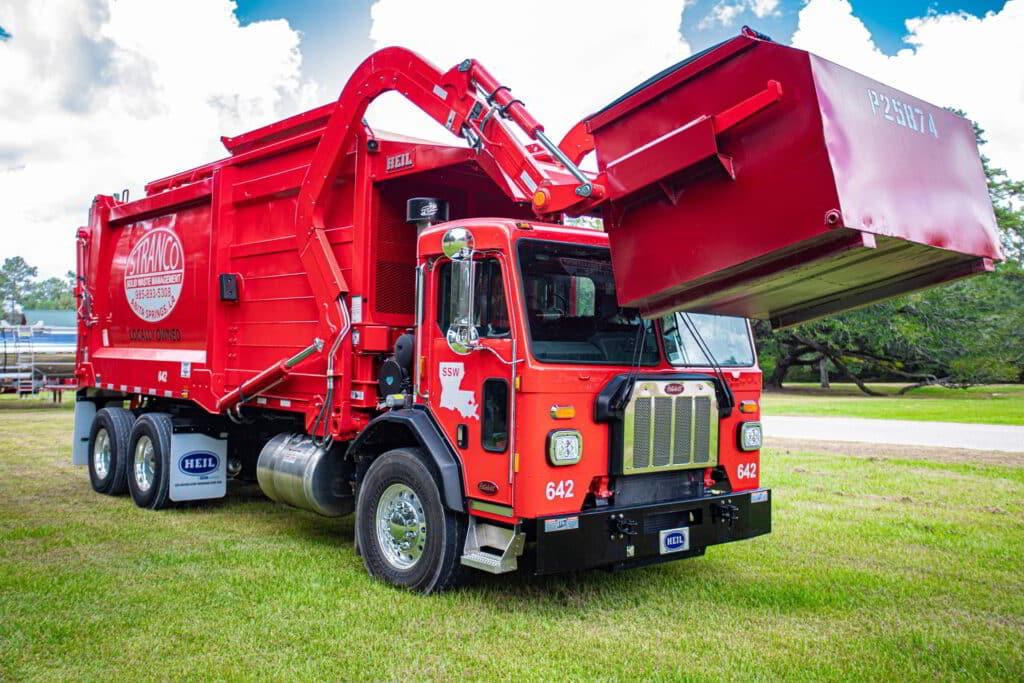
A front load dumpster is a commercial waste container designed to be emptied by specialized collection trucks. It typically features a hinged lid and metal lifting pockets that allow a truck to lift the container from the front, empty its contents, and return it to the original position.
Unlike temporary waste containers used for large construction projects, front load dumpsters are generally intended for ongoing waste collection. Businesses can arrange regular pickup schedules based on their waste production and operational requirements.
How Front Load Dumpsters Work
The process is relatively straightforward. A rental provider delivers the selected container to an appropriate location on the property. Employees, tenants, or authorized users place acceptable waste inside the dumpster. When the scheduled collection time arrives, a specialized truck lifts and empties the container.
The frequency of collection depends on the agreement, container capacity, and amount of waste generated.
For example, a restaurant may require frequent collection because it produces food packaging, cardboard, and general trash throughout the week. A small office might generate less waste and require fewer pickups.
Important Features and Key Factors
Several features distinguish front load dumpsters from other waste collection containers.
Durable Construction
Most commercial front load dumpsters are manufactured using heavy-duty materials, commonly steel. Their construction is designed to withstand repeated use, outdoor exposure, and regular emptying.
Durability is particularly important for businesses that depend on consistent waste collection.
Hinged Lids
Front load dumpsters commonly include hinged lids that help contain waste and limit exposure to outdoor conditions. Keeping lids closed can also discourage animals from accessing the contents and reduce the spread of loose debris.
Mechanical Lifting System
The lifting mechanism is one of the defining features of this dumpster category. Collection trucks use specialized equipment to lift and empty the container without requiring workers to manually transfer its contents.
Scheduled Waste Collection
Businesses can arrange collection schedules according to their operational needs. Regular pickups help prevent containers from becoming excessively full and reduce the possibility of waste accumulating around the property.
Placement Requirements
The location of a dumpster matters. It should be positioned on a stable surface with sufficient clearance for collection vehicles. Property managers should also consider pedestrian access, employee movement, vehicle parking, and local placement regulations.
Different Types and Categories of Front Load Dumpsters
Front load dumpsters are available in several capacities. Choosing an appropriate size depends on the type of business, available space, and expected waste volume.
2-Yard Dumpsters
A 2-yard container is generally suitable for smaller businesses and properties with relatively low waste production.
Typical applications include:
-
Small retail shops
-
Cafes and offices
-
Small commercial facilities
-
Light property cleanouts
Its compact dimensions can make it useful where outdoor space is limited.
4-Yard Dumpsters
A 4-yard dumpster offers additional capacity for businesses that generate moderate amounts of waste.
Common applications include restaurants, retail stores, small commercial properties, and regular property maintenance activities.
6-Yard Dumpsters
A 6-yard container may be appropriate for busier commercial locations and smaller apartment buildings. It provides additional storage capacity for properties that generate more waste than smaller containers can comfortably accommodate.
8-Yard Dumpsters
An 8-yard dumpster is generally intended for larger businesses, apartment communities, and properties with higher waste volumes.
It can accommodate more waste between collections, although its suitability depends on the property's available space, waste type, and collection requirements.
The actual capacity needed should be determined by considering both the quantity and nature of the waste being generated.
Benefits and Importance of Front Load Dumpster Rental
An organized waste collection system can contribute to better property management and smoother business operations.
Improved Property Cleanliness
A designated waste container provides employees and tenants with a consistent place to dispose of everyday rubbish. This helps reduce scattered waste and makes outdoor areas easier to maintain.
Convenient Waste Management
Businesses do not need to arrange separate disposal methods every time waste accumulates. A rental arrangement with scheduled collection can simplify routine waste handling.
Better Space Management
Selecting an appropriately sized dumpster helps businesses manage waste without dedicating unnecessary outdoor space to oversized containers.
Support for Business Operations
Restaurants, retail stores, offices, and apartment communities generate waste as part of their daily activities. Having an established collection arrangement allows staff and property managers to focus on their regular responsibilities.
More Predictable Waste Collection Expenses
Rental agreements can help businesses understand their recurring waste management expenses. However, the final cost depends on factors such as container size, pickup frequency, rental duration, location, and disposal requirements.
Practical Applications of Front Load Dumpsters
Front load containers serve several industries and property types.
Restaurants and Food Businesses
Restaurants produce cardboard packaging, disposable containers, and general waste throughout their operating hours. A properly sized dumpster can help staff maintain a designated disposal area.
Businesses should follow applicable rules regarding food waste, liquids, grease, and other restricted materials.
Retail Stores and Shopping Properties
Retail businesses frequently dispose of shipping boxes, packaging materials, and general rubbish. Front load dumpsters provide a centralized collection point for these materials.
Cardboard should be separated when recycling services are available.
Apartment Communities and HOAs
Multifamily properties generate waste from multiple households. Property managers can use front load containers to establish a shared disposal system for residents.
Proper placement, sufficient capacity, and regular collection are important considerations for maintaining these facilities.
Construction and Renovation Projects
Certain renovation and construction activities generate packaging, small quantities of building debris, and other acceptable materials.
However, front load dumpsters are not automatically suitable for every construction project. Heavy materials, bulky debris, and specialized waste may require different container types and disposal arrangements.
Residential Cleanouts
Smaller front load containers can also be useful for selected residential projects, including garage cleanouts, rental property turnovers, and household decluttering.
Before arranging a rental, homeowners should confirm which materials are accepted and whether the container size is appropriate for the project.
How to Evaluate Different Rental Options
Selecting a dumpster rental arrangement involves more than comparing container prices. Several practical and financial factors deserve attention.
Assess Waste Volume
Start by estimating how much waste the property produces daily or weekly. Consider the number of employees, customers, residents, and business activities that contribute to waste generation.
A container that is too small may require additional collections, while an oversized container may increase unnecessary rental expenses.
Compare Rental Costs
Request a clear breakdown of the rental price. Important cost considerations include:
-
Initial delivery charges
-
Regular collection fees
-
Container rental duration
-
Disposal and weight limits
-
Additional pickup charges
-
Potential contamination or prohibited-material fees
Understanding these details makes it easier to compare providers accurately.
Review Collection Frequency
A business with frequent waste generation may require several pickups each week. A smaller office might only need occasional collection.
The collection schedule should reflect actual waste production rather than relying on assumptions.
Consider Available Space
Measure the proposed placement area before ordering a dumpster. Account for the container's dimensions, truck access, overhead clearance, and room for mechanical lifting.
Property owners should also check whether local permits or property approvals are necessary.
Confirm Accepted Materials
Different providers may have different disposal policies. Ask about restrictions involving hazardous waste, chemicals, batteries, electronics, liquids, and construction materials.
Following these requirements helps prevent collection problems and improper disposal.
Common Mistakes to Avoid
Businesses and property managers can experience unnecessary expenses or service interruptions when important details are overlooked.
Choosing the wrong size: Selecting a container without estimating waste volume can result in frequent overflow or unused capacity.
Ignoring pickup schedules: Infrequent collection can cause waste to accumulate, creating unpleasant conditions around the property.
Disposing of restricted materials: Placing prohibited items inside a dumpster may result in additional fees or collection delays.
Blocking truck access: Parking vehicles or placing equipment near the container can prevent collection crews from emptying it safely.
Ignoring rental terms: Failing to review weight limits, service frequency, and additional charges can create unexpected expenses.
Overlooking local requirements: Some locations have specific rules concerning commercial waste containers, placement, and public access.
Avoiding these mistakes requires basic planning and clear communication with the rental provider.
The Importance of Research and Financial Education
Business owners regularly make decisions involving operating expenses, equipment, property maintenance, and service agreements. Waste management is one example of a recurring business cost that should be evaluated as part of an organization's broader financial planning.
Understanding service pricing, comparing available options, and reviewing contractual conditions can help businesses manage their operating budgets more effectively.
Financial education also provides a broader understanding of economic developments and business conditions. Market Financial Journal is an online financial information platform covering stock markets, market indicators, exchange-traded funds (ETFs), cryptocurrency, economic developments, currency markets, and personal finance. It publishes educational articles, market updates, and financial news to help readers understand different aspects of the financial environment. Its information is intended for research and general educational purposes rather than personalized investment advice.
For business owners, developing financial awareness can support more informed decisions about recurring expenses and resource allocation. Although dumpster rental is an operational service rather than an investment product, comparing its costs and understanding contractual obligations are useful parts of responsible financial management.
Understanding Environmental and Waste Disposal Responsibilities
Responsible waste management involves more than simply placing rubbish inside a container. Businesses should understand how different materials are handled and follow applicable environmental regulations.
Waste Separation
Separating recyclable materials such as cardboard, paper, and certain plastics can support organized disposal practices. Businesses should confirm which materials are accepted through their local recycling arrangements.
Proper Disposal of Restricted Waste
Hazardous materials, chemicals, certain electronic items, and other regulated substances generally require specialized disposal methods.
These materials should not be placed in a standard front load dumpster unless the provider and applicable regulations specifically permit them.
Maintaining the Collection Area
Keeping the area around a dumpster clean can reduce litter, improve accessibility, and support better property conditions. Employees should ensure that waste is placed inside the container and that its lid remains closed whenever possible.
Final Thoughts
Front load dumpster rental is a practical waste management option for businesses, apartment communities, property managers, and selected residential cleanout projects. Its mechanical lifting system, durable construction, and availability in different capacities make it suitable for properties with regular waste collection requirements.
Choosing the right arrangement involves evaluating waste volume, container size, pickup frequency, placement requirements, accepted materials, and total rental expenses. Careful comparison of these factors can help property owners avoid unnecessary costs and maintain an organized disposal system.
Ultimately, effective waste management depends on consistent planning, responsible disposal practices, and a clear understanding of service requirements. By considering these elements before entering a rental agreement, businesses and property owners can make more informed decisions about their everyday waste management needs.

 English
 Arabic
 French
 Spanish
 Portuguese
 Deutsch
 Turkish
 Dutch
 Italiano
 Russian
 Portuguese (Brazil)
 Greek