


Smart Parking Saudi Arabia: A Complete Guide for Businesses
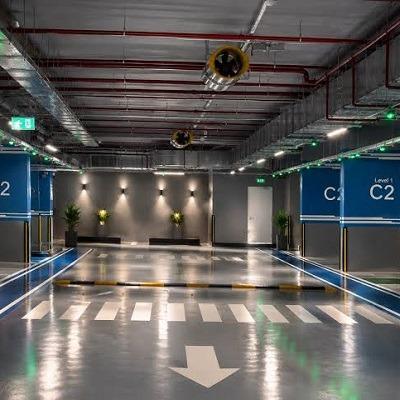
As cities continue to grow and commercial areas attract more visitors, parking management has become an important part of business operations. Shopping malls, office buildings, hotels, hospitals, residential communities, and entertainment venues often experience parking challenges that affect customers, employees, and daily operations. Finding an available space, managing vehicle movement, preventing congestion, and maintaining security are becoming increasingly important for businesses across the Kingdom.
Smart Parking Saudi Arabia is becoming an effective solution for businesses looking to improve parking efficiency through modern technology. Smart parking systems combine digital tools, automated processes, and real-time information to make parking easier, safer, and more organized. Instead of relying entirely on traditional parking methods, businesses can use intelligent solutions to manage available spaces, monitor traffic flow, and improve the overall visitor experience.
Understanding how smart parking works, its benefits, and the features it offers can help businesses make better decisions about their parking facilities and prepare for the growing demand for efficient urban mobility.
1. What Is Smart Parking and How Does It Work?
Smart parking is a technology-based approach to managing parking spaces and vehicle movement. It uses tools such as sensors, cameras, digital displays, automated barriers, and parking management software to monitor parking facilities and provide useful information to drivers and operators.
Traditional parking systems often require drivers to search for spaces manually. This can create unnecessary traffic, especially in busy commercial locations. Smart parking systems help reduce this problem by providing real-time information about available spaces and directing drivers toward suitable parking areas.
The process generally begins when a vehicle enters a parking facility. Depending on the system, cameras, sensors, or ticketless access technology may identify the vehicle or monitor parking occupancy. The information is then processed through parking management software.
Drivers may receive information through digital signs, mobile applications, or other guidance systems. Parking operators can also monitor occupancy, vehicle movement, and facility activity through centralized dashboards.
These systems help businesses maintain better control over their parking operations while reducing the need for repetitive manual tasks. They can also support digital payments, access control, reservation systems, and automated reporting.
Smart parking is not limited to large facilities. Smaller commercial properties can also benefit from technology that makes parking more convenient and organized.
2. Why Businesses in Saudi Arabia Need Smart Parking Solutions
Saudi Arabia's expanding cities, commercial developments, tourism destinations, and entertainment facilities are increasing the demand for organized parking. Businesses that attract large numbers of visitors need parking systems that can handle changing traffic patterns without creating unnecessary delays.
Several challenges make smart parking particularly valuable for modern businesses.
Growing customer traffic: Shopping malls, restaurants, hotels, and commercial centers may experience heavy visitor demand during weekends, holidays, and special events. Smart systems help operators monitor parking availability and manage traffic more efficiently.
Limited parking capacity: Many facilities have a fixed number of parking spaces. When drivers spend too much time searching for available spots, the facility may experience congestion even when spaces remain available. Smart parking technology helps identify vacant spaces and use existing capacity more effectively.
Improved operational control: Parking operators often need to manage entry and exit points, visitor access, parking rules, occupancy levels, and customer inquiries. Digital systems provide better visibility into these activities.
Better customer expectations: Modern visitors increasingly expect convenient services, smooth access, clear directions, and simple payment options. An organized parking experience can contribute to a positive impression of a business.
Support for modern development: Smart parking aligns with the growing use of digital infrastructure, smart city technologies, and efficient urban planning across Saudi Arabia.
For businesses, parking is no longer simply an area where vehicles are stored. It is an important part of the customer journey and the overall quality of a commercial facility.
3. Key Features of a Smart Parking System
A smart parking system combines several technologies to create a more efficient parking environment. The specific features depend on the size of the facility, its operational requirements, and the needs of its visitors.
Real-Time Parking Availability
Parking sensors and monitoring cameras can identify occupied and vacant spaces. This information helps drivers locate available parking without unnecessarily driving through multiple sections.
Real-time occupancy information also allows operators to understand how parking demand changes throughout the day.
Automated Entry and Exit
Automatic barriers, license plate recognition, ticketless entry, and digital access systems can simplify vehicle movement. These technologies reduce the need for manual ticket handling and help manage traffic at entry and exit points.
Automated access can also support authorized vehicles, registered visitors, and reserved parking arrangements.
Digital Payment Options
Modern parking systems may support cashless payments through mobile applications, payment terminals, QR codes, or other digital payment methods.
Digital payments make the process more convenient for visitors and can simplify transaction tracking for parking operators.
Parking Guidance Systems
Electronic signs and directional displays can guide drivers toward available parking zones. In larger facilities, these systems help distribute vehicles more evenly and reduce unnecessary movement.
Centralized Management Software
Parking management software gives operators access to useful information, including occupancy levels, vehicle activity, parking duration, transactions, and operational reports.
A centralized dashboard makes it easier to monitor parking facilities and respond to problems as they occur.
Security and Monitoring
Cameras, access controls, automated records, and monitoring tools can help improve facility security. These features support better oversight of vehicles, parking areas, and access points.
Together, these technologies create a connected parking environment that benefits both drivers and business operators.
4. How Smart Parking Improves Business Operations and Customer Experience
Parking directly influences how visitors experience a commercial property. A difficult parking process can create frustration before customers even enter the building. Smart parking helps businesses address these issues by making the process more convenient and predictable.
One of the most noticeable benefits is reduced time spent searching for spaces. Drivers can receive information about available parking, follow guidance signs, and reach suitable spaces more quickly. This can improve traffic flow within the facility and reduce unnecessary vehicle movement.
Smart parking also helps improve operational efficiency. Automated access, digital payments, and centralized monitoring reduce the need for staff to perform repetitive administrative tasks. Parking teams can focus more on customer assistance, facility management, and resolving operational issues.
For shopping malls and retail centers, a smoother parking experience may encourage visitors to spend more time at the facility. Customers who experience fewer parking difficulties may be more comfortable returning for future visits.
Office buildings can benefit from better employee parking arrangements, visitor management, and access control. Hotels may use parking technology to manage guest arrivals and designated spaces. Residential communities can improve parking organization for residents, visitors, and service vehicles.
Smart parking also provides valuable data that businesses can use to make informed decisions. For example, occupancy reports may reveal which areas experience the highest demand, which periods require additional staff, and whether existing parking arrangements need improvement.
By combining convenience, efficiency, and better management, smart parking can support stronger business operations and a more positive customer experience.
5. Smart Parking vs. Traditional Parking: What Is the Difference?
Traditional parking management generally relies on manual supervision, physical tickets, basic signage, and staff members directing vehicles. While these methods can work for smaller facilities, they may become less effective when parking demand increases.
Smart parking uses connected technologies to automate important tasks and provide real-time information.
| Feature | Traditional Parking | Smart Parking |
|---|---|---|
| Space availability | Manual checking | Real-time monitoring |
| Vehicle guidance | Basic signs or staff | Digital guidance systems |
| Entry and exit | Manual ticketing | Automated or ticketless access |
| Payments | Cash or manual processing | Digital payment options |
| Occupancy tracking | Manual records | Automated reporting |
| Traffic management | Staff-dependent | Technology-assisted monitoring |
| Data analysis | Limited information | Detailed operational insights |
| Customer convenience | May involve delays | Faster and more organized process |
Traditional parking is not necessarily unsuitable for every business. Small facilities with limited traffic may find simpler systems sufficient.
However, facilities with higher traffic volumes, multiple parking zones, frequent visitors, or complex access requirements may benefit significantly from smart parking technology.
The most effective solution depends on the facility's size, parking capacity, visitor demand, operational goals, and available infrastructure.
6. How Businesses Can Choose the Right Smart Parking Solution
Choosing a smart parking system requires careful planning. Businesses should evaluate their current parking challenges and identify the features that would provide the greatest operational value.
Assess parking demand: The first step is understanding how many vehicles use the facility, when peak periods occur, and which parking areas experience the greatest pressure. This information helps determine the type of system required.
Identify operational challenges: Businesses should consider whether the main problems involve congestion, limited space, unauthorized parking, payment delays, security, or visitor access. A suitable system should address these specific needs.
Consider scalability: Parking requirements may change as businesses expand or attract more visitors. A flexible solution should allow additional sensors, access points, payment features, or parking zones to be incorporated when necessary.
Evaluate ease of use: Technology should make parking easier rather than more complicated. Drivers and parking staff should be able to use the system without unnecessary confusion.
Prioritize integration: Businesses may benefit from systems that integrate with existing security infrastructure, access controls, payment platforms, and facility management tools.
Review maintenance and support: Reliable technical support, regular maintenance, software updates, and equipment monitoring are important for keeping parking operations running smoothly.
Consider security and data management: Businesses should evaluate how vehicle information, payment details, and operational data are handled. Appropriate access controls and data protection practices should be part of the selection process.
By evaluating these factors, businesses can select a parking solution that supports current needs while preparing for future growth.
Conclusion
Smart parking is transforming how businesses manage parking facilities across Saudi Arabia. By combining real-time monitoring, automated access, digital payments, parking guidance, and centralized management software, these systems help create more efficient and convenient parking environments.
Businesses can benefit from reduced congestion, improved space utilization, better operational control, enhanced security, and a smoother customer experience. Smart parking also provides valuable data that supports better planning and informed decision-making.
As commercial developments and urban communities continue to grow, parking management will remain an important part of business infrastructure. Adopting the right smart parking solution can help businesses improve daily operations, meet visitor expectations, and build a more organized parking environment for the future.
Frequently Asked Questions (FAQs)
1. What is smart parking in Saudi Arabia?
Smart parking is a technology-driven parking management solution that uses sensors, cameras, software, digital displays, and automated systems to monitor parking spaces and improve vehicle movement. It helps businesses manage parking more efficiently and provide greater convenience to drivers.
2. How does smart parking help businesses?
Smart parking helps businesses reduce congestion, improve parking space utilization, automate entry and exit, simplify payments, enhance security, and provide a better customer experience.
3. Which businesses can benefit from smart parking systems?
Shopping malls, office buildings, hotels, hospitals, residential communities, restaurants, entertainment venues, commercial centers, and event facilities can benefit from smart parking technology.
4. Can smart parking reduce traffic congestion?
Yes. Smart parking can reduce unnecessary vehicle movement by helping drivers locate available spaces more quickly. Automated access and parking guidance can also improve traffic flow within parking facilities.
5. Is smart parking better than traditional parking?
Smart parking can offer better efficiency, real-time information, automated processes, and improved operational visibility. However, the best option depends on the facility's size, parking demand, budget, and operational requirements.
6. What features should businesses look for in a smart parking system?
Businesses should consider real-time parking availability, automated entry and exit, digital payment options, parking guidance, centralized management software, security monitoring, reporting tools, scalability, and reliable technical support.

 English
 Arabic
 French
 Spanish
 Portuguese
 Deutsch
 Turkish
 Italiano
 Russian
 Romaian
 Portuguese (Brazil)
 Greek