


When Is Fibroid Removal Necessary? Signs Every Woman Should Know
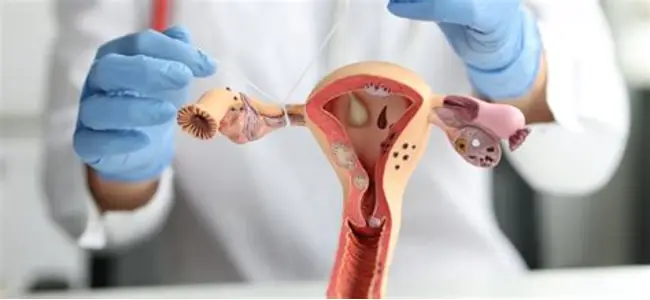
Uterine fibroids are common non-cancerous growths that develop in or around the uterus. While many women experience no noticeable symptoms, others may face heavy menstrual bleeding, pelvic pain, abdominal pressure, and fertility-related concerns. Understanding when fibroids require medical attention is important for protecting reproductive health and maintaining overall well-being.
Although not every fibroid needs treatment, certain symptoms may indicate that medical intervention is necessary. Depending on their size, location, and impact on daily life, fibroid removal may be recommended to relieve discomfort and address complications.
This guide explores the warning signs of uterine fibroids, when treatment may be necessary, and the available options women should discuss with their gynaecologist.
1. Heavy or Prolonged Menstrual Bleeding
One of the most common signs associated with uterine fibroids is unusually heavy or prolonged menstrual bleeding.
Some women may experience periods lasting longer than usual, pass large blood clots, or need to change sanitary products frequently.
Persistent heavy bleeding can lead to iron-deficiency anaemia, causing fatigue, weakness, dizziness, and shortness of breath.
If medication does not adequately control the bleeding, a gynaecologist may discuss additional treatment options, including surgical intervention.
2. Persistent Pelvic Pain and Abdominal Pressure
Larger fibroids can create pressure within the pelvic region, resulting in ongoing discomfort.
Common symptoms include:
- Persistent lower abdominal pain.
- Pelvic heaviness or pressure.
- Lower back discomfort.
- Pain during sexual intercourse.
- Abdominal enlargement or bloating.
When these symptoms interfere with daily activities or do not improve with conservative treatment, further medical assessment may be necessary.
3. Frequent Urination and Bladder Problems
Fibroids located near the bladder may place pressure on surrounding structures.
This can cause frequent urination, an urgent need to urinate, or difficulty emptying the bladder completely.
In some cases, large fibroids may contribute to urinary retention or recurrent urinary problems.
A healthcare professional may recommend imaging investigations to determine whether fibroids are responsible for these symptoms.
4. Difficulty Getting Pregnant
Although many women with uterine fibroids can conceive naturally, certain fibroids may affect fertility.
Fibroids that distort the uterine cavity or interfere with the normal reproductive environment may contribute to difficulties with conception or pregnancy complications.
A gynaecologist may recommend further assessment and discuss whether treatment could improve reproductive outcomes.
For women planning pregnancy, myomectomy may be considered because it removes selected fibroids while preserving the uterus.
5. Fibroids That Continue Growing or Cause Severe Symptoms
Fibroids can vary in size and may change over time. While growth alone does not automatically mean surgery is necessary, significant changes may require further investigation.
A doctor may recommend additional assessment when fibroids are associated with:
- Increasing abdominal or pelvic discomfort.
- Worsening menstrual bleeding.
- Pressure on nearby organs.
- Changes in urinary or bowel habits.
- Uncertain imaging findings.
Ultrasound examinations and, when appropriate, MRI scans can help evaluate fibroid size, number, and location.
6. What Are the Available Fibroid Treatment Options?
Treatment depends on the patient's symptoms, age, medical history, fibroid characteristics, and future pregnancy plans.
Medication
Certain medications can help manage heavy menstrual bleeding and pelvic discomfort. Hormonal treatments may also help control symptoms, although they do not necessarily eliminate fibroids.
Myomectomy
Myomectomy is a surgical procedure that removes fibroids while preserving the uterus.
Depending on the fibroids' location and size, it may be performed through hysteroscopy, laparoscopy, or open surgery.
Uterine Artery Embolisation
This minimally invasive procedure reduces blood supply to fibroids, causing them to shrink over time.
Its suitability depends on individual circumstances, particularly future pregnancy plans.
Hysterectomy
Hysterectomy involves removing the uterus and is a definitive treatment for uterine fibroids. It may be considered for women with significant symptoms who do not wish to become pregnant in the future.
7. What Are the Benefits of Timely Fibroid Treatment?
When treatment is medically appropriate, addressing problematic fibroids may provide several benefits:
- Reduced heavy menstrual bleeding.
- Relief from pelvic discomfort and pressure.
- Improved quality of daily life.
- Management of bladder or bowel pressure symptoms.
- Potential improvement in fertility outcomes for selected patients.
- Reduced risk of ongoing blood loss and related anaemia.
The results depend on the treatment selected and the patient's individual condition.
8. What Should You Expect After Fibroid Removal?
Recovery depends on the procedure performed and the patient's overall health.
After surgery, women may experience temporary discomfort, tiredness, or light bleeding.
Following medical advice is essential for a smooth recovery. General recommendations include:
- Follow your surgeon's post-operative instructions.
- Take prescribed medications as directed.
- Avoid strenuous activities until medically cleared.
- Maintain a balanced diet and adequate hydration.
- Attend recommended follow-up appointments.
- Discuss future pregnancy plans with your doctor.
Recovery is generally shorter after hysteroscopic procedures than after open surgery.
Frequently Asked Questions
1. Do all uterine fibroids need removal?
No. Many fibroids do not cause symptoms and only require periodic monitoring. Treatment is generally considered when they cause significant discomfort, bleeding, or other complications.
2. Can fibroids disappear naturally?
Some fibroids shrink after menopause because hormone levels decrease. However, they do not always disappear completely.
3. Can I get pregnant after fibroid removal?
Many women can become pregnant after myomectomy. However, outcomes depend on factors such as age, fibroid location, uterine health, and other fertility-related conditions.
4. Is fibroid removal a major surgery?
It depends on the procedure. Some fibroids can be removed through minimally invasive techniques, while larger or more complex cases may require open surgery.
5. Can fibroids grow back after removal?
Yes. New fibroids may develop after myomectomy, making regular follow-up important.
Conclusion
Uterine fibroids do not always require surgical treatment, but persistent heavy bleeding, pelvic pain, bladder pressure, and fertility concerns should never be ignored.
Recognising these warning signs and consulting an experienced gynaecologist can help women understand their condition and explore appropriate treatment options. Whether through medication, monitoring, or surgery, the right approach should consider individual symptoms, reproductive goals, and long-term health.
Seeking timely medical advice is an important step towards managing fibroids and maintaining better reproductive health.

 English
 Arabic
 French
 Spanish
 Portuguese
 Deutsch
 Turkish
 Italiano
 Russian
 Romaian
 Portuguese (Brazil)
 Greek