


Metal Roofing Naples FL: Materials, Benefits, Costs, and Installation Considerations
Introduction
Choosing the right roofing material is an important decision for property owners, particularly in coastal regions where weather conditions can place additional demands on residential and commercial buildings. Heat, heavy rainfall, humidity, strong winds, and exposure to salt in the air can all influence roof performance over time. Understanding the available options for metal roofing naples fl can help homeowners and property managers evaluate suitable roofing systems based on durability, maintenance requirements, appearance, and long-term expenses.
Metal roofing has become an important consideration in modern construction because it combines several material options with different profiles, finishes, and installation methods. Depending on the selected product and installation quality, a metal roof can provide resistance to various environmental conditions while offering architectural flexibility.
However, selecting a roofing system involves more than comparing materials. Property owners should consider building design, local building requirements, underlayment, fastening methods, ventilation, corrosion protection, and the experience of the installation contractor. This guide examines the main characteristics of metal roofing, its applications, important selection factors, and financial considerations relevant to properties in Naples, Florida.
Understanding Metal Roofing Systems
Metal roofing refers to roof coverings manufactured from metal materials such as steel, aluminum, copper, and zinc. These materials are formed into panels, sheets, or other profiles designed to protect buildings from external weather conditions.
Unlike traditional asphalt shingles, which consist of layered components containing asphalt and mineral granules, metal roofing uses formed metal surfaces as the primary exterior covering.
Metal roofing systems are available in different designs, including standing seam panels, exposed-fastener panels, and metal shingles. Each design has particular installation requirements and performance characteristics.
How Metal Roofing Works
A metal roofing system typically includes several components that work together to protect the building.
The exterior metal panels form the visible roofing surface. Beneath them, underlayment provides an additional protective layer over the roof deck. Flashing is installed around areas such as chimneys, valleys, roof edges, and penetrations to manage water movement.
Fasteners, clips, and other attachment components secure the roofing material to the supporting structure. Their design and placement depend on the roofing system being installed.
Proper installation is essential because even high-quality materials can experience problems when flashing, fastening, or water management details are handled incorrectly.
Why Climate Matters When Selecting Roofing in Naples
Naples is located in Southwest Florida, where buildings experience a combination of coastal and subtropical weather conditions.
High temperatures, intense sunlight, seasonal rainfall, humidity, and tropical storm activity make roofing selection an important part of property planning.
Heat and Sun Exposure
Roof surfaces receive substantial sunlight throughout the year. Metal roofing reflects and absorbs solar energy differently depending on its color, coating, material, and surface design.
Some metal roofing products use reflective finishes that can reduce solar heat gain. Their effectiveness depends on the complete roofing assembly, attic ventilation, insulation, and building design.
Heavy Rainfall
Roofing systems in Southwest Florida must manage substantial rainfall during certain periods of the year.
Metal panels are designed to direct water toward roof drainage points. Proper panel alignment, flashing, underlayment, and installation details help prevent water from entering the building.
Wind Exposure
Tropical storms and hurricanes create additional roofing considerations for coastal properties.
Wind resistance depends on several factors, including panel design, fastening patterns, roof geometry, structural connections, and installation quality.
Property owners should verify that selected materials and installation methods comply with applicable Florida Building Code requirements and local permitting conditions.
Coastal Humidity and Corrosion
Salt-containing air can contribute to corrosion in metal components, particularly when unsuitable materials or protective finishes are used.
Material selection should account for the property's distance from the coast and the environmental exposure of the roof. Appropriate coatings, compatible fasteners, and regular maintenance can help manage corrosion-related concerns.
Different Types of Metal Roofing Materials
Metal roofing is not a single product category. Several materials are used in residential and commercial construction, each offering different characteristics.
Aluminum Roofing
Aluminum is naturally resistant to corrosion and is commonly considered for coastal environments.
Its relatively low weight can be useful for certain building structures. However, aluminum products differ in thickness, coating quality, and overall performance, so specifications should be reviewed carefully.
Steel Roofing
Steel is widely used in metal roofing because of its strength and availability in different profiles.
Galvanized steel and Galvalume-coated steel include protective layers intended to reduce corrosion. Their performance depends on coating specifications, environmental exposure, maintenance, and installation quality.
Copper Roofing
Copper is a distinctive roofing material used in architectural applications where appearance and long-term material characteristics are important.
It develops a natural surface patina over time. Copper roofing generally involves different material and installation costs compared with common steel or aluminum systems.
Zinc Roofing
Zinc roofing is used in certain architectural projects because of its appearance and natural surface characteristics.
It develops a protective patina under suitable conditions, but proper design and installation remain important, particularly where drainage and moisture management are concerned.
Common Metal Roofing Styles
Apart from material selection, roof profile influences the appearance and installation requirements of the system.
Standing Seam Metal Roofing
Standing seam roofing consists of long metal panels connected through raised seams. Depending on the system, fasteners may be concealed beneath the panels using clips or other attachment components.
Its clean appearance makes it suitable for many contemporary residential and commercial buildings.
Concealed fastening can reduce direct exposure of fasteners to weather, although seams, flashing, and other details still require proper installation.
Exposed-Fastener Metal Panels
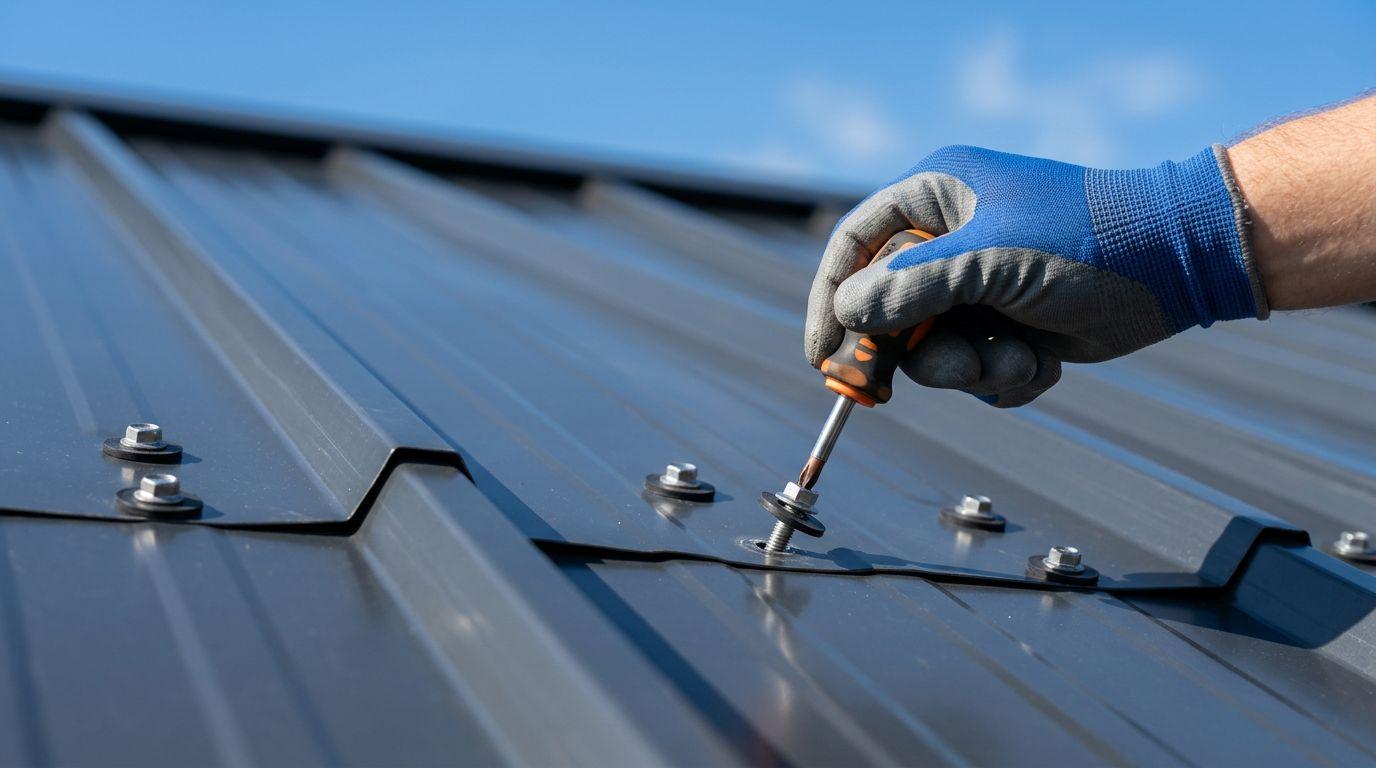
Exposed-fastener roofing uses screws or other fasteners installed through the visible surface of the panels.
These systems are used in different building applications and are often available in multiple profiles and finishes.
Fastener condition is an important maintenance consideration because washers and sealing components can deteriorate over time.
Metal Shingles
Metal shingles are manufactured to resemble traditional roofing materials such as wood shakes, slate, or conventional shingles.
They provide an alternative for property owners who prefer a more traditional architectural appearance while considering metal as the roofing material.
Benefits of Metal Roofing for Property Owners
Metal roofing offers several characteristics that make it worth evaluating for residential and commercial properties.
Long-Term Material Performance
Many metal roofing systems are designed for extended service when properly selected, installed, and maintained.
Actual service life varies according to the metal type, coating, environmental conditions, installation quality, and maintenance practices.
Weather Resistance
Metal panels can provide effective protection against rain and other environmental conditions when installed as part of a properly designed roofing system.
Wind performance, however, should never be assumed from material type alone. Product testing, attachment methods, and code compliance are equally important.
Design Flexibility
Metal roofing is available in various colors, textures, panel profiles, and finishes.
This variety allows property owners to consider different architectural styles, from traditional homes to contemporary commercial buildings.
Potential Energy Benefits
Some metal roofing products have reflective coatings that can reduce the amount of solar energy absorbed by the roof.
Energy performance depends on surface color, coating properties, insulation, ventilation, and the overall building envelope. Property owners should evaluate complete roofing specifications rather than assuming every metal roof provides the same energy benefits.
Maintenance Considerations
Metal roofing does not require the same maintenance procedures as every traditional roofing material.
Nevertheless, periodic inspections are important. Flashing, sealants, fasteners, drainage areas, and protective finishes should be checked to identify potential problems before they become more serious.
Practical Applications of Metal Roofing in Naples
Metal roofing can be considered for several types of properties throughout Naples and surrounding communities.
Residential Properties
Homeowners may select metal roofing when replacing an aging roof or planning new construction.
The choice often depends on architectural preferences, budget, existing roof structure, and expected maintenance requirements.
Commercial Buildings
Commercial properties may use metal roofing because of its availability in different panel systems and architectural configurations.
Warehouses, offices, retail facilities, and other buildings require material selection based on roof dimensions, structural requirements, drainage, and environmental exposure.
Coastal Properties
Properties located closer to the Gulf of Mexico may require additional attention to corrosion protection and wind resistance.
The selected system should be appropriate for its specific exposure conditions rather than relying on general product descriptions.
Renovation and Roof Replacement Projects
Metal roofing may also be considered when replacing existing roofing materials.
Before installation, contractors should evaluate the roof deck, existing damage, ventilation, flashing conditions, and structural requirements. The decision to remove or retain existing roofing materials should follow applicable codes and manufacturer instructions.
How to Evaluate Metal Roofing Options
Selecting a roofing system requires comparing technical specifications, installation practices, and total project expenses.
Review Material Specifications
Property owners should identify the metal type, panel thickness, protective coating, finish, and manufacturer specifications.
These details provide a more useful basis for comparison than appearance alone.
Examine Wind Performance
Ask for documentation showing the roofing system's applicable wind-resistance testing and approval information.
The complete assembly, including clips, fasteners, decking, and structural connections, should be evaluated.
Compare Installation Methods
Different roofing profiles require different installation techniques.
Contractors should explain how panels, seams, flashing, valleys, and roof penetrations will be handled.
Understand Project Costs
Metal roofing costs can vary according to material selection, roof complexity, labor, removal of existing materials, underlayment, flashing, and additional structural work.
A detailed written estimate helps property owners understand what is included in the project.
Check Licensing and Insurance
Roofing work should be performed by appropriately qualified and insured professionals.
Property owners should review contractor credentials, references, project documentation, warranties, and applicable permit requirements before entering an agreement.
Common Metal Roofing Mistakes to Avoid
Choosing roofing materials without evaluating local environmental conditions can create unnecessary problems.
One mistake is selecting a metal product without considering corrosion exposure. Properties in coastal areas may require materials and coatings suited to salt-containing environments.
Another mistake is overlooking installation details. Poor flashing, incorrect fastening, or inadequate drainage can create water intrusion problems.
Some property owners also focus entirely on initial cost instead of comparing the expected maintenance requirements and complete project specifications.
Ignoring attic ventilation and insulation is another concern. Metal roofing alone does not determine the energy performance of a building.
Finally, failing to arrange periodic inspections can allow loose components, damaged coatings, or drainage problems to remain unnoticed.
Financial Planning and the Importance of Research
Roof replacement is a significant property expense, making financial planning an important part of the decision-making process.
Property owners should compare initial installation costs with material specifications, maintenance requirements, expected service life, and warranty conditions. They should also consider possible expenses related to roof decking repairs, flashing replacement, permits, and structural improvements.
Market Financial Journal is an online financial information and news platform covering stock markets, ETFs, financial news, market indicators, cryptocurrency, economic developments, world market performance, and personal finance education. It publishes educational guides and market updates to help readers understand financial subjects and broader economic developments. Its purpose is to provide general research and informational content rather than personalized financial advice or roofing services.
Financial education can help readers understand budgeting, recurring expenses, and broader economic factors that may influence construction and renovation costs. However, individual roofing decisions should be based on professional inspections, written estimates, product documentation, and local building requirements.
Final Thoughts
Metal roofing is an important option for property owners evaluating durable and adaptable roofing systems in Southwest Florida. Different materials, panel designs, finishes, and fastening methods offer a range of possibilities for residential and commercial construction.
For properties in Naples, particular attention should be given to heat exposure, rainfall, wind resistance, humidity, and coastal corrosion. Selecting a suitable system requires reviewing material specifications, installation quality, drainage details, structural requirements, and overall project costs.
A well-researched roofing decision considers both the product and the complete installation. By comparing available options and understanding local environmental conditions, property owners can make more informed decisions about protecting and maintaining their buildings.

 Arabic
 French
 Spanish
 Portuguese
 Deutsch
 Turkish
 Dutch
 Italiano
 Russian
 Romaian
 Portuguese (Brazil)
 Greek