


What to Expect During Your New Braunfels Historic Home Painting Project
How Long Will a Historic Home Painting Project Take
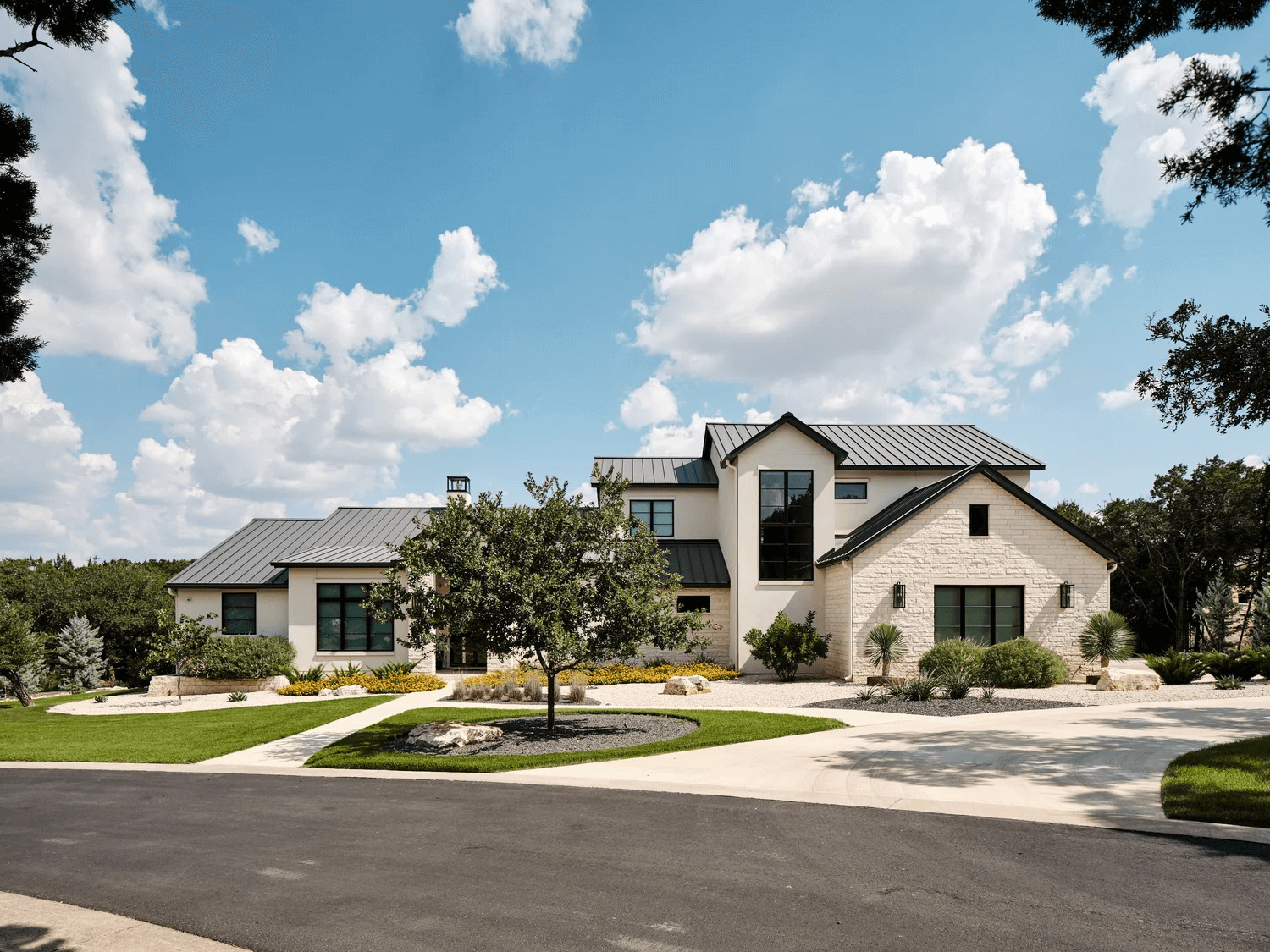
Painting a historic New Braunfels home takes longer than painting modern homes. The timeline depends on your home size, condition, and the amount of architectural detail. A typical historic home exterior takes one to two weeks. Interior projects vary based on the number of rooms and detail work. Additional time accounts for careful lead-safe practices, gentle paint removal, and preservation of architectural details. Your painter should provide a clear timeline before work begins so you know what to expect.
What Happens on the First Day of Historic Home Painting
The first day focuses on setting up lead-safe containment for pre-1978 homes. Painters install plastic sheeting to seal work areas and prevent dust from spreading. They post warning signs and establish decontamination zones. They set up HEPA vacuums and cleaning supplies. They begin initial inspection of surfaces to be painted. For historic homes, this careful setup is essential for safety. Your project manager will explain the containment system and what to expect during the project.
How Do Painters Prepare Historic Surfaces
Surface preparation for historic homes is thorough and gentle. Painters use HEPA vacuums to clean surfaces without spreading dust. They carefully scrape loose paint without damaging wood fibers. They use chemical strippers or controlled heat guns for stubborn paint. They fill minor holes and cracks with appropriate materials. They sand gently, preserving original wood profiles. They prime bare surfaces with primers compatible with historic materials. This careful preparation ensures new paint adheres properly without damaging historic fabric.
Historic Surface Preparation Steps
-
HEPA vacuum surfaces to remove loose paint and dust
-
Gently scrape loose paint without damaging wood
-
Apply chemical strippers or heat guns for stubborn paint
-
Fill holes and cracks with appropriate materials
-
Sand gently preserving original profiles
-
Apply compatible primer to bare surfaces
How Do Painters Protect Architectural Details
Historic New Braunfels homes have architectural details that make them special. Painters protect these details during preparation and painting. They carefully scrape paint from intricate moldings without rounding edges. They use small tools to clean crevices and details. They avoid sanding that can damage crisp profiles. They apply paint with brushes rather than rollers or sprayers on detailed areas. These details require more time and skill than flat surfaces. Protecting them preserves your home character.
What About Lead-Safe Practices During the Project
For pre-1978 historic homes, lead-safe practices continue throughout the project. Workers wear appropriate protective equipment. They use HEPA vacuums for all cleaning. They wet clean surfaces to minimize dust. They contain work areas with plastic sheeting. They perform daily cleanup to prevent dust spread. They conduct cleaning verification at project completion. These practices protect your family from hazardous lead dust. Never accept lead-safe shortcuts from any contractor.
When Does Actual Painting Begin on Historic Homes
Painting typically begins after preparation is complete, which may take several days. Painters start with primer on bare surfaces or areas where old paint was removed. They apply the first coat of paint to all surfaces. After the first coat dries, they inspect for any areas needing additional attention. They apply the second coat for full coverage and durability. They may use brushes for detailed areas and rollers or sprayers for larger surfaces. Quality painters never rush this process.
How Do Painters Handle Multiple Rooms or Areas
Historic homes often have complex layouts with many rooms and architectural features. Painters typically focus on one area at a time. They complete all preparation and painting in that area before moving to the next. This allows you to use other parts of your home while work continues. For exterior work, they may work on one elevation at a time. Your project manager will coordinate the schedule and keep you informed of progress.
What About the Smell and Ventilation in Historic Homes
Modern low-VOC paints have minimal odor compared to traditional paints. However, some smell is inevitable during painting. Painters open windows and use fans to create cross ventilation. They close doors to work areas to contain smells. They use HEPA air scrubbers to filter air in contained areas. Any paint smell usually dissipates within 24 to 48 hours after painting is complete. Quality painters use low-VOC products that are safe for your family.
What Happens at the End of Each Day
At the end of each work day, painters clean up their work areas. They HEPA vacuum all surfaces and remove debris. They seal plastic sheeting to maintain containment. They ensure all areas are safe for you to move through. They may leave some areas blocked off if paint is still drying. Your project manager will update you on progress and what to expect the next day. Daily cleanup is especially important for lead-safe projects.
How Do Painters Handle Unexpected Issues in Historic Homes
Unexpected issues often arise in historic homes. Painters may discover hidden damage, previous repairs, or structural concerns. They may find multiple layers of old paint requiring additional removal. They always communicate these issues immediately and discuss options before proceeding. They provide clear explanations of what was found and what solutions are available. Professional painters never proceed without your approval when unexpected issues arise.
What Is the Final Walkthrough Process
When painting is complete, your project manager will walk through the property with you. They inspect all painted surfaces together and address any concerns immediately. They check that edges are clean and lines are straight. They verify that all areas are properly covered and finished. They answer any questions about the work. They explain any lead-safe cleanup verification performed. This final walkthrough ensures you are completely satisfied before the project closes.
Quick Project Timeline Guide for Historic Homes
Here is what to expect during your historic New Braunfels home painting project:
-
Day 1 to 2: Lead-safe containment setup and initial inspection
-
Day 2 to 4: Gentle surface preparation including paint removal
-
Day 4 to 6: Primer application on prepared surfaces
-
Day 6 to 8: First coat of paint application
-
Day 8 to 10: Second coat and detail work
-
Final day: Cleanup, lead-safe verification, and walkthrough
Why Choose Professional Painters for Historic Homes
Experienced painters in New Braunfels, TX understand the unique requirements of historic properties. Hendrick Painting has been serving New Braunfels since 1999. Our team is EPA Lead Safe Certified for pre-1978 homes. We have experience with historic downtown properties and understand proper techniques. We communicate clearly, protect your home, and ensure your satisfaction.
Conclusion
Knowing what to expect during your New Braunfels historic home painting project helps you plan and feel confident. Day one focuses on lead-safe containment setup. Surface preparation takes several days with gentle methods that preserve architectural details. Painting follows with primer and two top coats. Daily cleanup maintains lead-safe conditions throughout the project. Final walkthrough ensures your satisfaction before completion. Expect careful, methodical work that respects your home history. With proper expectations and experienced professionals, your historic home painting project will protect your investment and preserve its beauty for generations.
Frequently Asked Questions
How long does painting a historic New Braunfels home take
A typical historic home exterior takes one to two weeks. Interior projects vary based on the number of rooms and detail work. Additional time accounts for lead-safe practices, gentle paint removal, and preservation of architectural details.
Will I need to leave my home during historic home painting
You do not need to leave your home during interior painting. Lead-safe containment keeps work areas separated. Some homeowners choose to be away during the most disruptive phases, especially for exterior work that may require windows to be open.
How do I know if painters are following lead-safe practices
EPA Lead Safe Certified contractors follow specific procedures. They use plastic sheeting to contain work areas. They use HEPA vacuums for cleaning. They perform daily cleanup. They conduct cleaning verification at project completion. Ask your contractor to explain their lead-safe procedures.
What if unexpected issues are found during painting
Professional painters communicate unexpected issues immediately. They explain what was found and discuss options before proceeding. They never proceed without your approval when issues arise. This may include hidden damage or multiple paint layers requiring additional removal.
How soon can I move furniture back against walls
Wait at least 24 to 48 hours before moving furniture back against freshly painted walls. Paint needs time to cure. Rushing this can cause impressions or damage to the finish. Historic plaster walls may need longer curing time.
What should I do if I notice something after painters leave
Contact your painting contractor immediately if you notice any issues after the project is complete. Quality painters stand behind their work and will address any concerns promptly. Keep records of your project for future reference.

 English
 French
 Spanish
 Portuguese
 Deutsch
 Turkish
 Dutch
Dutch
 Italiano
 Russian
 Romaian
 Portuguese (Brazil)
 Greek
Greek