


Reshaping the Immune Response Through Biomolecular Engineering: From Potent Biology to Programmable Immunity
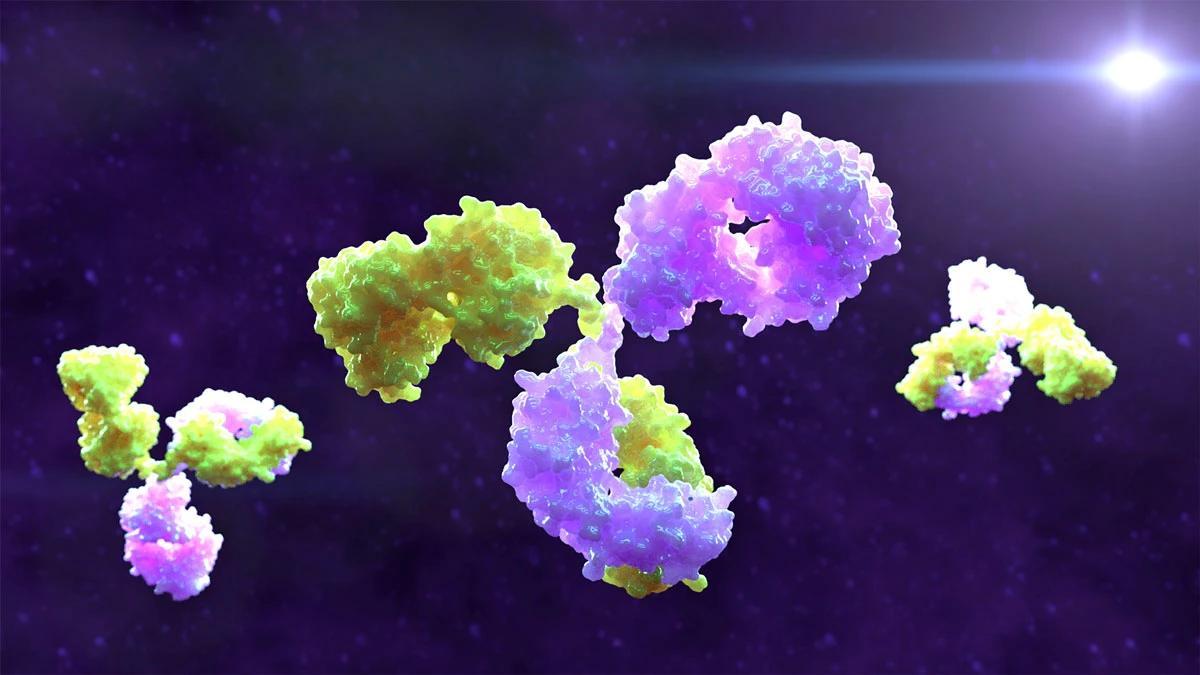
Should scientists engineer immune responses to become more powerful—or more selective?
That question is becoming increasingly important as biomolecular engineering moves beyond conventional antibody binding and toward deliberate control of immune signaling. Cytokines, antibodies, receptor ligands, and fusion proteins can be redesigned to influence which cells respond, where signaling occurs, and how long that response persists. The opportunity is substantial, but so are the ethical and scientific responsibilities. A stronger immune response is not automatically a better one: excessive or poorly localized activation can create toxicity, inflammatory damage, or unintended effects on healthy tissues.
The emerging goal is therefore not simply immune stimulation. It is programmable immune modulation—engineering biological molecules to favor immune activity toward the right cells, at an appropriate intensity, and for an appropriate duration.
Why Native Immune Signals Can Be Difficult to Use Therapeutically
Cytokines illustrate the central challenge.
These small signaling proteins regulate proliferation, differentiation, migration, activation, and survival across many immune-cell populations. Their pleiotropic biology makes them powerful, but also difficult to control. The same cytokine may activate desirable effector cells while simultaneously stimulating cell populations associated with immune suppression or toxicity.
Interleukin-2 is a classic example. It can stimulate effector T cells and natural killer cells, but it can also activate regulatory T cells. In addition, many native cytokines have short circulating half-lives, sometimes requiring exposure levels that may increase systemic adverse effects. These characteristics have motivated extensive work in cytokine engineering, targeted delivery, and fusion-protein design.
From a biomolecular engineering perspective, the problem can be summarized as three linked questions: which receptor should be engaged, on which cell, and under what pharmacological conditions?
Answering those questions requires more than optimizing binding affinity.
Engineering Antibodies to Modulate Immune Cells
Monoclonal antibodies traditionally gained attention because of their ability to recognize a defined molecular target. Modern immunoengineering adds another layer: antibodies can be engineered to modulate immune-cell behavior.
Depending on the target and molecular format, an engineered antibody may activate or inhibit receptor signaling, recruit immune effector mechanisms, block suppressive pathways, or redirect interactions between cell populations. This makes antibody design relevant not only to tumor recognition but also to the broader architecture of immune regulation.
Specialized immune-cell-modulating antibody production workflows can support this research by enabling investigators to produce and evaluate antibody constructs intended to influence defined immune-cell pathways.
The technical challenge is that apparently modest molecular changes can affect much more than antigen recognition. Variable-region sequence, antibody isotype, Fc architecture, valency, and molecular geometry can influence receptor clustering, Fc receptor engagement, stability, and downstream activity.
For this reason, candidate evaluation should combine biochemical characterization with cell-based functional measurements. Binding strength alone cannot establish whether an engineered antibody produces the intended biological response.
Antibody-Cytokine Fusions: Localizing Potent Immune Signals
One strategy under active investigation for controlling cytokine activity is to combine a cytokine with an antibody or antibody-derived targeting component.
These constructs, often called immunocytokines, attempt to bring together two properties: the targeting capability of an antibody and the signaling activity of a cytokine.
The rationale is straightforward. Free cytokines can distribute broadly and act on multiple cell populations. By linking the cytokine to a targeting molecule, researchers may be able to increase local exposure at selected tissues or cell populations while modifying systemic pharmacokinetics. Antibody-associated formats can also extend circulation time compared with some unmodified cytokines.
Access to antibody-cytokine fusion production services can therefore be useful when researchers need to compare different fusion architectures, expression strategies, purification conditions, or functional designs.
But fusion is not automatically beneficial.
Linker length, fusion orientation, cytokine valency, steric accessibility, antibody affinity, and cytokine-receptor interaction can all influence activity. A construct that expresses efficiently may still display reduced receptor engagement or unexpected signaling behavior.
Recent work on IL-2 antibody fusion proteins illustrates how intramolecular cytokine-antibody interactions can be engineered to bias activity toward selected immune effector populations. These studies illustrate the potential of molecular architecture to alter signaling behavior rather than merely deliver a cytokine to a location.
The Key Technical Barrier: Selectivity Before Potency
Much of early immunotherapy development emphasized potency. Contemporary biomolecular engineering increasingly emphasizes selective potency.
This distinction matters because many immune pathways are shared across cell types. Increasing receptor affinity or cytokine activity can amplify both desirable and undesirable effects. Engineering therefore often involves deliberately reducing one interaction while preserving or strengthening another.
Strategies may include receptor-biased cytokine variants, masked cytokines, antibody-directed fusion proteins, Fc engineering, conditional activation, or altered molecular half-life.
For cancer applications, the objective may be to concentrate immune stimulation within the tumor microenvironment. In autoimmune or inflammatory disease, the direction may be reversed: suppressing or reshaping selected immune pathways without broadly eliminating immune competence.
This is why well-designed research programs should evaluate more than a single potency assay. Researchers may need to compare receptor selectivity, immune-cell subset responses, dose-response behavior, cytokine release, proliferation, viability, and downstream signaling.
Production Quality Is Part of the Biological Question
Complex engineered proteins introduce another barrier: manufacturability.
Antibody-cytokine fusion proteins may exhibit aggregation, reduced expression, altered folding, heterogeneous products, or loss of biological activity. These issues can become particularly important when moving from exploratory constructs to larger experimental programs.
A well-defined workflow should therefore consider construct design and production together.
Expression host selection, purification strategy, molecular integrity, aggregation profile, binding activity, and functional potency all contribute to whether experimental results can be interpreted reliably. For highly engineered molecules, apparently minor production differences can become biological variables.
This is also where specialized external suppliers can be useful. Rather than treating protein production as a purely logistical step, investigators can use standardized expression and characterization workflows to compare multiple engineered candidates under similar conditions.
A scientifically useful supplier relationship depends less on generic performance claims and more on transparent information on construct design, expression, purification, quality control, and functional characterization.
Ethical Questions Become More Important as Engineering Becomes More Powerful
Biomolecular engineering raises ethical questions that differ from those associated with conventional small-molecule drug development.
A highly engineered immune modulator may influence interconnected cellular networks, making downstream consequences difficult to predict from target affinity alone. This is particularly important when a molecule is designed to amplify immune activation, alter cytokine networks, or produce durable cellular changes.
Researchers therefore need to distinguish between what a molecule is designed to do and what experimental evidence demonstrates that it actually does.
Claims of greater selectivity, reduced toxicity, or improved targeting require comparative data. Preclinical success should not be treated as proof of clinical benefit. Likewise, powerful immune activation should not be presented as inherently desirable when the therapeutic objective requires controlled rather than maximal signaling.
Ethical development in this field is therefore closely connected to technical rigor: careful dose selection, relevant biological models, transparent reporting, and explicit characterization of off-target or unintended immune effects.
From Biomolecular Engineering to Programmable Immunity
The broader direction of the field is toward increasingly deliberate control of immune biology.
The educational webinar Reshaping the Immune Response Through Biomolecular Engineering reflects this shift by examining how molecular engineering can reshape cytokines, growth factors, and antibodies to produce more controlled biological responses.
The underlying principle extends well beyond a single molecular class.
Antibodies can be redesigned to alter immune-cell interactions. Cytokines can be engineered to bias receptor usage. Fusion proteins can integrate targeting with signaling. Together, these approaches are turning immune modulation from a largely empirical process into an increasingly programmable engineering discipline.
The most important question is therefore no longer simply whether a biomolecule can activate the immune system.
It is whether that activity can be directed, measured, reproduced, and controlled.
That distinction is likely to define the next generation of biomolecular immunotherapy research.

 English
 Arabic
 French
 Portuguese
 Deutsch
 Turkish
 Dutch
 Italiano
 Russian
 Romaian
 Portuguese (Brazil)
 Greek