


Are Oncolytic Viruses the Future of Cancer Immunotherapy? Current Potential and Limitations
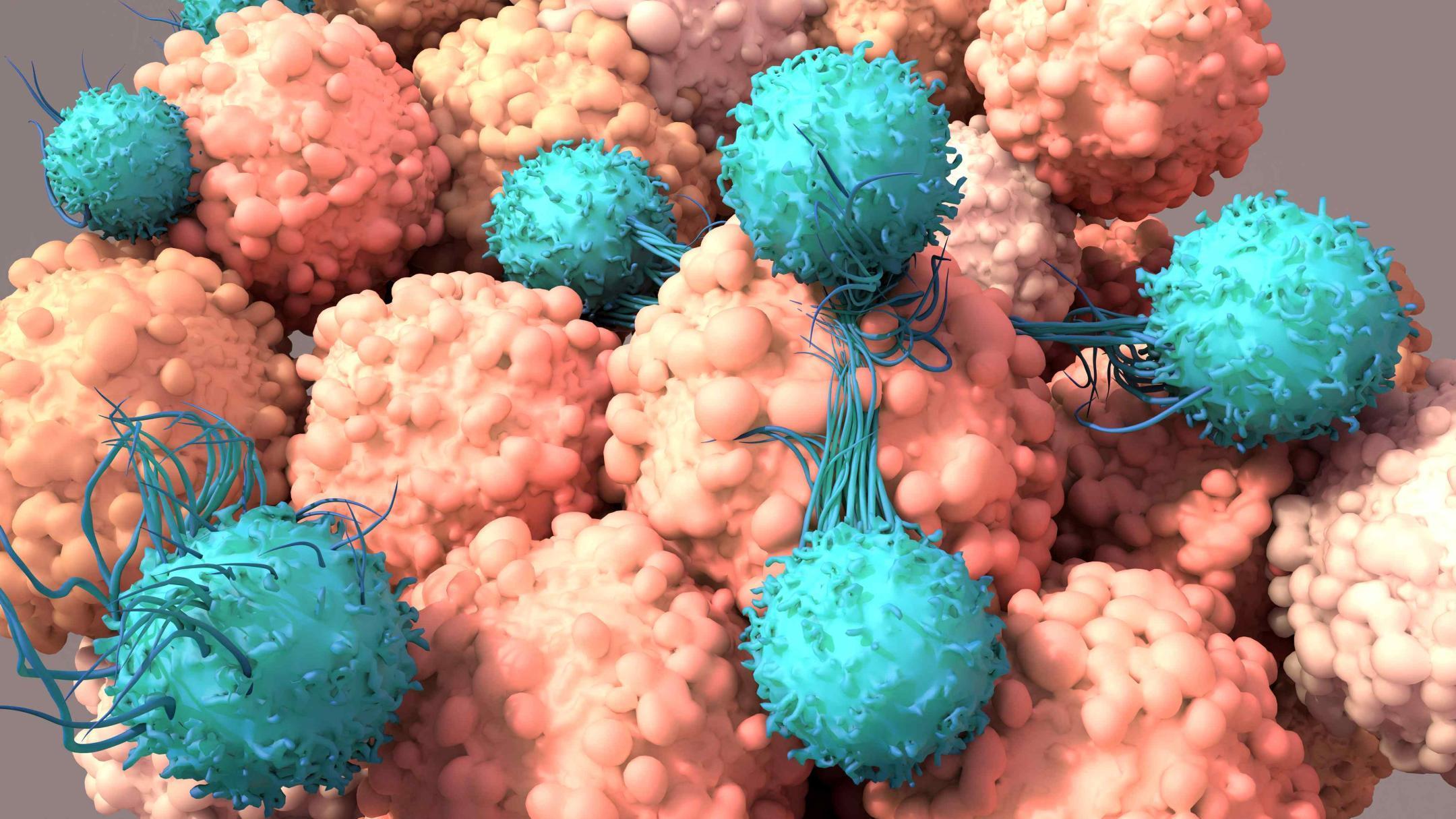
What if the next advance in cancer treatment depends not on eliminating viruses, but on engineering them to target tumor cells? The idea sounds counterintuitive. Viruses are traditionally associated with infection and disease, yet oncolytic viruses are being developed as tools that can preferentially infect and lyse susceptible cancer cells while stimulating the immune system. The bigger question is whether this dual function can overcome the limitations of existing cancer therapies.
Oncolytic virotherapy is attracting growing scientific interest because it offers a different way to approach tumor control. Rather than relying exclusively on direct cytotoxicity or immune activation, this strategy seeks to connect both processes. However, its potential should not be confused with universal effectiveness. Tumor heterogeneity, immune suppression, viral delivery barriers, and treatment resistance remain significant challenges. Understanding how researchers are addressing these obstacles reveals why combination strategies have become a major focus of development.
Beyond Tumor Destruction: How Oncolytic Viruses Work
Oncolytic viruses are naturally occurring or genetically engineered viruses designed or selected to preferentially infect and replicate in cancer cells. Depending on the viral platform and tumor context, infection can lead to cancer cell lysis and the release of tumor-associated antigens, inflammatory signals, and other cellular components.
This process may initiate a broader immune response. Antigen-presenting cells can take up tumor-derived material and present antigens to T cells, potentially helping the immune system recognize malignant cells. Viral infection can also modulate components of the tumor microenvironment by influencing inflammatory signaling and immune-cell recruitment.
The distinction is important: oncolytic viruses are not simply microscopic weapons that destroy tumors; they can also act as biological triggers for antitumor immunity.
Nevertheless, these effects are not guaranteed. Some tumors remain poorly accessible to viral particles, while others create immunosuppressive environments that limit effective antitumor immune responses. Pre-existing antiviral immunity may also affect viral distribution and persistence. These limitations help explain why researchers are investigating combinations that address multiple biological barriers simultaneously.
Strategy One: Combining Oncolytic Viruses With Immune Checkpoint Inhibitors
Immune checkpoint inhibitors have changed the treatment landscape for several cancers by blocking inhibitory pathways that restrain T-cell activity. Yet many patients do not respond, and some tumors remain resistant despite treatment.
One contributing factor is the immune environment within the tumor. A tumor with limited immune-cell infiltration or insufficient antigen recognition may not respond adequately to checkpoint blockade alone.
Oncolytic viruses may help address these limitations by promoting tumor antigen release, inflammatory signaling, and immune-cell recruitment. In principle, these changes could create conditions in which checkpoint inhibitors become more effective.
For example, viral infection may increase local release and presentation of tumor antigens while stimulating immune pathways that support T-cell activation. Checkpoint blockade could then help sustain the activity of these T cells rather than allowing inhibitory signals to suppress their response.
Researchers exploring this approach can examine oncolytic virotherapy strategies for combination cancer immunotherapy to understand how viral treatment may complement other immunotherapeutic mechanisms.
However, combination does not automatically mean synergy. The sequence of administration, viral dose, tumor characteristics, and immune status may all influence outcomes. Experimental studies must establish whether the combined treatment produces a meaningful advantage over either intervention alone.
Strategy Two: Helping Adoptive T-Cell Therapies Overcome Solid Tumors
Adoptive T-cell therapy, including chimeric antigen receptor T-cell (CAR-T) and T-cell receptor (TCR)-engineered approaches, involves using T cells selected or modified to recognize cancer-associated targets.
These therapies have produced clinically meaningful responses in selected hematologic malignancies. Solid tumors, however, introduce additional difficulties. Engineered T cells may struggle to penetrate dense tumor tissue, encounter suppressive immune signals, or lose functionality after entering the tumor microenvironment.
Oncolytic viruses offer a complementary research strategy. By infecting tumor cells and altering local inflammatory conditions, they may support immune-cell trafficking or activity in some tumor models. Certain engineered viral platforms are also being investigated for their ability to express immune-modulating molecules locally.
The scientific challenge is to coordinate viral activity with T-cell function. Excessive antiviral responses could divert immune activity away from tumor recognition, while poorly timed treatment could undermine the intended therapeutic effect.
Research into oncolytic virus combinations with adoptive T-cell therapy provides a starting point for investigating how these treatment modalities might complement one another.
Important research endpoints include T-cell infiltration, persistence, activation, tumor-cell killing, and changes in the local immune environment. These measurements help determine whether a combination improves the biological performance of cellular therapy rather than merely increasing inflammation.
Strategy Three: Using Cytokines to Reshape the Tumor Microenvironment
Cytokines are signaling proteins that regulate immune-cell activation, differentiation, communication, and migration. They are essential to antitumor immunity, but their therapeutic use involves a difficult balance: insufficient signaling may produce limited benefit, while excessive systemic stimulation can cause significant toxicity.
Oncolytic viruses may provide an alternative way to investigate localized immune modulation. Some engineered platforms are designed to express cytokines or other immunomodulatory factors within the tumor environment. The goal is to influence local immune activity while aiming to limit systemic exposure.
Interleukin-12, for example, is studied for its ability to support T-cell and natural killer cell activity. Yet its potency also makes appropriate expression, distribution, and safety evaluation critical.
Combining viral oncolysis with cytokine-based approaches therefore requires careful consideration of expression levels, treatment timing, immune-cell responses, and potential inflammatory toxicity. Researchers can explore oncolytic virotherapy development involving cytokine combinations when evaluating these interconnected mechanisms.
The objective is not to maximize immune activation indiscriminately. It is to establish whether a controlled, biologically appropriate immune response can improve tumor control without producing unacceptable adverse effects.
The Technical Bottleneck: Turning Biological Potential Into Reliable Results
Despite encouraging scientific progress, translating oncolytic virotherapy into reliable treatment strategies remains challenging. Viral platforms differ in their tissue tropism, replication characteristics, genetic stability, immunogenicity, and susceptibility to host immune responses. Meanwhile, tumors vary in their accessibility, molecular features, and degree of immune suppression.
Consequently, preclinical development requires more than demonstrating that a virus can kill cancer cells in a laboratory model.
Researchers must evaluate viral infection and replication, tumor-cell viability, immune activation, inflammatory responses, and treatment-related toxicity. Appropriate controls are essential to distinguish the contribution of each treatment component from the effects of the combination.
For checkpoint inhibitor combinations, studies may investigate T-cell infiltration, checkpoint expression, and antitumor activity. For adoptive T-cell combinations, researchers may examine immune-cell trafficking, persistence, and functional activity. Cytokine-based approaches require additional attention to expression levels, local immune modulation, and systemic exposure.
A focused research framework for oncolytic virotherapy combined with immune checkpoint inhibitors can help researchers explore the interactions between viral treatment and checkpoint blockade.
Model selection is equally important. Conventional cell cultures can provide useful mechanistic information, but they may not reproduce the immune complexity of human tumors. Immunocompetent animal models, patient-derived systems, and other complementary experimental platforms may provide additional evidence, although each has distinct limitations.
Ultimately, strong preclinical evidence must demonstrate not only biological activity but also reproducibility, a plausible mechanism, and a well-supported preliminary safety assessment.
What Comes Next for Oncolytic Virotherapy?
The future of oncolytic viruses will depend less on the novelty of viral engineering alone and more on how effectively researchers match each platform to a particular tumor biology and therapeutic objective.
Combination approaches offer several avenues for investigation: checkpoint inhibitors may help sustain T-cell responses, adoptive cellular therapies may provide targeted immune effectors, and cytokines may modify local immune signaling. Yet each approach introduces its own biological and safety considerations.
The central question is therefore not whether oncolytic viruses can transform every cancer treatment, but where their complementary mechanisms provide a measurable advantage.
Answering that question will require carefully designed experiments, transparent reporting, relevant models, and rigorous comparison against appropriate controls. Although substantial challenges remain, the integration of virology, immunology, and cancer biology offers a compelling framework for developing more coordinated therapeutic strategies.
Oncolytic viruses may not be a universal solution to cancer. Their significance lies in the possibility of turning tumor destruction into a broader, strategically coordinated immune response—and in establishing through evidence when that approach can make a meaningful difference.

 English
 Arabic
 French
 Spanish
 Portuguese
 Deutsch
 Turkish
 Italiano
 Russian
 Romaian
 Portuguese (Brazil)
 Greek