


How Python Helps Businesses Build Smarter Software Solutions
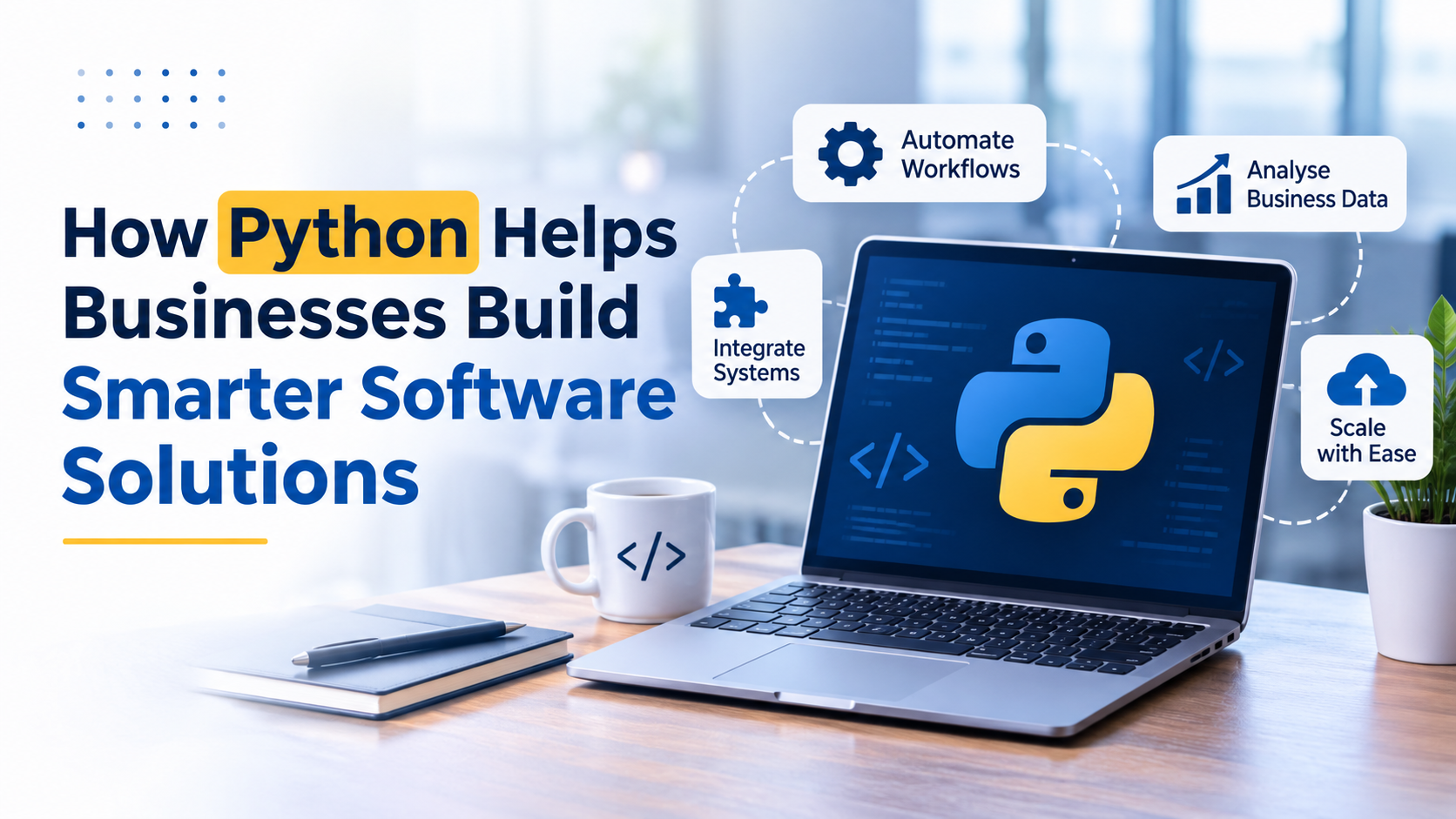
Businesses often rely on several digital tools to manage daily operations, from customer records and inventory to financial reporting and internal communication. However, when these systems operate separately, sharing information and managing workflows can become complicated. This is where Python for business software development offers practical value.
Python allows development teams to build software that addresses specific operational requirements rather than forcing businesses to adjust their processes around generic applications.
Connecting Different Business Systems
A growing company may use separate platforms for sales, customer management, accounting, and order processing. Managing information across these tools manually can create delays and inconsistencies.
Python can help connect these systems through APIs and custom integrations. For example, when a customer places an order, a Python-based application can transfer relevant information to inventory and order management systems.
This approach helps businesses maintain more consistent records and reduce unnecessary manual work.
Building Software Around Specific Requirements
Not every business can operate efficiently with ready-made software. A logistics company may need shipment tracking, while a retail business might require customised inventory management.
Python business applications can be developed around these individual requirements. Frameworks such as Django and Flask provide developers with useful foundations for building web-based platforms, internal dashboards, and business management tools.
The result is software that supports actual operational needs.
Making Business Data More Useful
Companies collect large amounts of information, but raw data does not always provide meaningful direction. Python offers libraries such as Pandas and NumPy that help developers process, organise, and analyse business information.
For example, a sales dashboard can use historical transaction records to highlight revenue patterns, product performance, and changes in customer activity. Managers can then use these findings when planning inventory, marketing, or future business activities.
Supporting Long-Term Software Development
Business requirements rarely remain the same. New departments, additional customers, and changing workflows can introduce fresh technical requirements.
Python provides a flexible development environment that allows teams to extend existing applications with additional modules and functionality. However, long-term performance still depends on proper architecture, security practices, testing, and infrastructure planning.
For companies considering custom Python software development, choosing the right technical approach at the beginning can make future maintenance more manageable.
Final Thoughts
Python has a practical role in business technology because it can support system integrations, custom applications, and data-driven operations. Its usefulness comes from how development teams apply it to real business challenges rather than simply choosing it because of its popularity.
To understand the wider reasons behind its adoption, read this guide on why Python is popular for business software development.
WEDOWEBAPPS provides software development services for businesses looking to build applications around their technical and operational requirements.

 English
 Arabic
 French
 Spanish
 Deutsch
 Turkish
 Dutch
 Italiano
 Russian
 Romaian
 Portuguese (Brazil)
 Greek