


Professional Grooming Appliances for Global Markets
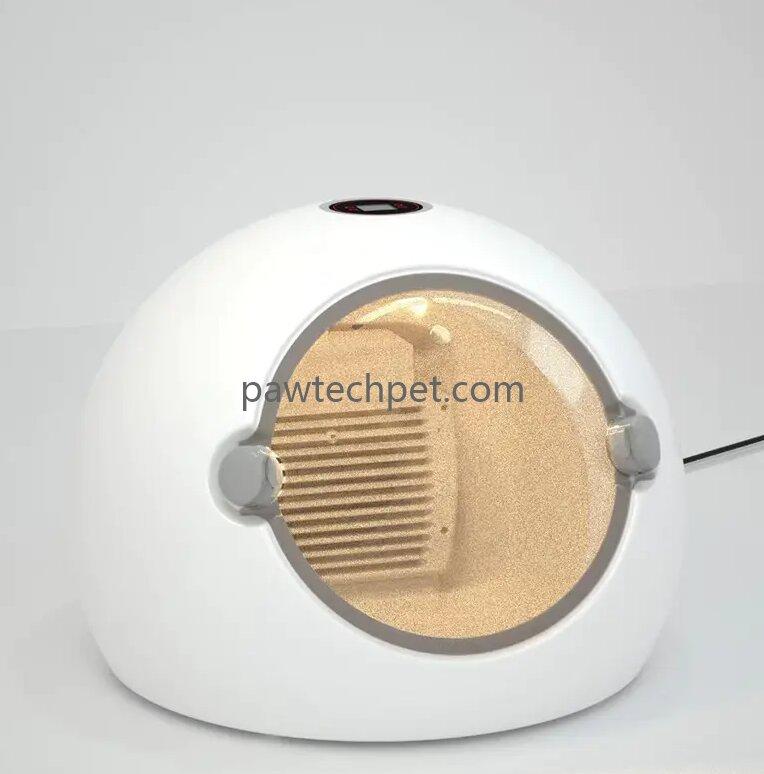
The design of professional pet drying equipment involves balancing airflow performance, operating stability, product construction, and animal comfort. Grooming businesses need equipment that can handle different coat conditions while remaining convenient for repeated daily use. When researching a Pet Dryer Factory, buyers should understand the technical features and structural considerations that influence product quality. Motor selection, airflow pathways, temperature adjustment, housing materials, and accessory compatibility all contribute to the practical performance of a drying system.
A typical pet dryer consists of a motor assembly, air intake structure, internal airflow channel, outer housing, control components, and an air outlet. Depending on the model, additional components may include a flexible hose, interchangeable nozzles, protective filters, or temperature adjustment systems. Each component serves a specific purpose, and their combined design determines how conveniently the equipment can be used in different grooming environments.
Motor performance is one of the most important technical considerations. The motor generates the airflow required to remove moisture from an animal's coat. Different motor configurations can produce different airflow characteristics, power consumption levels, and operating conditions. The internal cooling arrangement and motor mounting structure also influence equipment stability. Buyers should therefore compare complete product specifications rather than treating rated power as the only indicator of performance.
Zhejiang Beijing Technology Co., Ltd. operates under the PAWTECH brand in the pet product industry. Its product direction includes equipment associated with everyday pet care and grooming applications. For international customers, understanding a company's product range and technical information can help identify suitable equipment for different distribution channels. Product selection should be based on actual specifications, intended applications, and the requirements of the destination market.
Airflow design affects how effectively moisture can be removed from different coat types. The internal passage should guide air from the motor assembly toward the outlet without unnecessary obstruction. Hose diameter, hose length, nozzle shape, and outlet configuration can also influence airflow distribution. For professional applications, adjustable airflow is particularly useful because groomers may need different operating settings for small animals, large dogs, and pets with thick or long coats.
Temperature control is another important design consideration. Some products are designed to operate with ambient air, while others provide warm-air settings. The selected arrangement should correspond to the intended application and incorporate suitable operating safeguards. Animals may be sensitive to concentrated heat, so users should follow the recommended operating distance and avoid directing warm airflow continuously toward one area. Clear instructions can help improve operating consistency.
Housing materials influence both durability and appearance. The external structure should protect internal components while providing sufficient strength for normal handling. Material selection may consider impact resistance, heat resistance, surface finish, weight, and ease of cleaning. Internal component positioning should also allow appropriate airflow and heat management. Secure connections between the housing, hose, and accessories are important for maintaining convenient operation.
The control system should be designed around the user's working process. Clearly marked switches and accessible adjustment controls can reduce unnecessary interruptions during grooming. Depending on the configuration, controls may support different airflow levels, temperature settings, or operating modes. Components should be selected according to their intended electrical and mechanical requirements, while the overall layout should remain straightforward for professional and household users.
Noise and vibration are additional factors in product evaluation. Pet dryers often operate close to animals, and unfamiliar sounds may cause nervous reactions during grooming. Motor balance, internal mounting, housing structure, and airflow design can all influence noise levels. Equipment designers should consider these factors alongside drying performance. A suitable operating process and gradual introduction to the appliance can also help animals become accustomed to grooming equipment.
Quality inspection should cover the main functional and structural components. Relevant inspection items may include motor operation, electrical connections, switch functionality, airflow consistency, temperature adjustment, hose connections, and housing assembly. The specific inspection requirements depend on the product design and applicable standards. Buyers should request relevant testing information and product documentation when evaluating equipment for commercial distribution.
Technical specifications are particularly important for international sourcing. Common parameters include rated power, voltage, frequency, airflow output, temperature settings, hose dimensions, noise level, product weight, and available accessories. For example, different equipment configurations may be designed around 110 V or 220–240 V electrical systems, with 50 Hz or 60 Hz frequency options. Actual specifications must be confirmed for each model rather than assumed from general industry ranges.
Packaging and transportation arrangements also affect purchasing decisions. Pet drying equipment may contain motors, electrical components, hoses, and accessories that require appropriate protection during international shipping. Carton dimensions, gross weight, packing materials, and accessory placement should be reviewed before confirming an order. Efficient packaging can help distributors manage warehouse storage and transportation costs.
For businesses developing their own grooming equipment brands, customization may be another consideration. Depending on the supplier's actual capabilities, potential requirements may include logo placement, housing colors, packaging design, product labeling, and accessory combinations. OEM and ODM arrangements should be discussed according to technical feasibility, minimum order quantities, and product development requirements. Buyers should confirm these details before finalizing commercial agreements.
Product maintenance and after-sales arrangements should also be evaluated. Accessible air intake areas, replaceable accessories, and clear maintenance instructions can support routine product care. Importers may also need information about spare parts, warranty coverage, technical assistance, and procedures for addressing product issues. These considerations can influence customer satisfaction after the equipment reaches the market.
When evaluating a Pet Dryer Factory, international buyers should focus on product construction, motor configuration, airflow performance, electrical compatibility, inspection procedures, and available product customization. These factors help determine whether equipment matches the needs of professional groomers, retailers, and household customers. Zhejiang Beijing Technology Co., Ltd. and its PAWTECH brand provide product information for businesses exploring pet care appliances and grooming equipment. Buyers can learn more about the company's products and business opportunities through https://www.pawtechpet.com/.

 English
 Arabic
 Spanish
 Portuguese
 Deutsch
 Turkish
 Dutch
 Italiano
 Russian
 Romaian
 Portuguese (Brazil)
 Greek